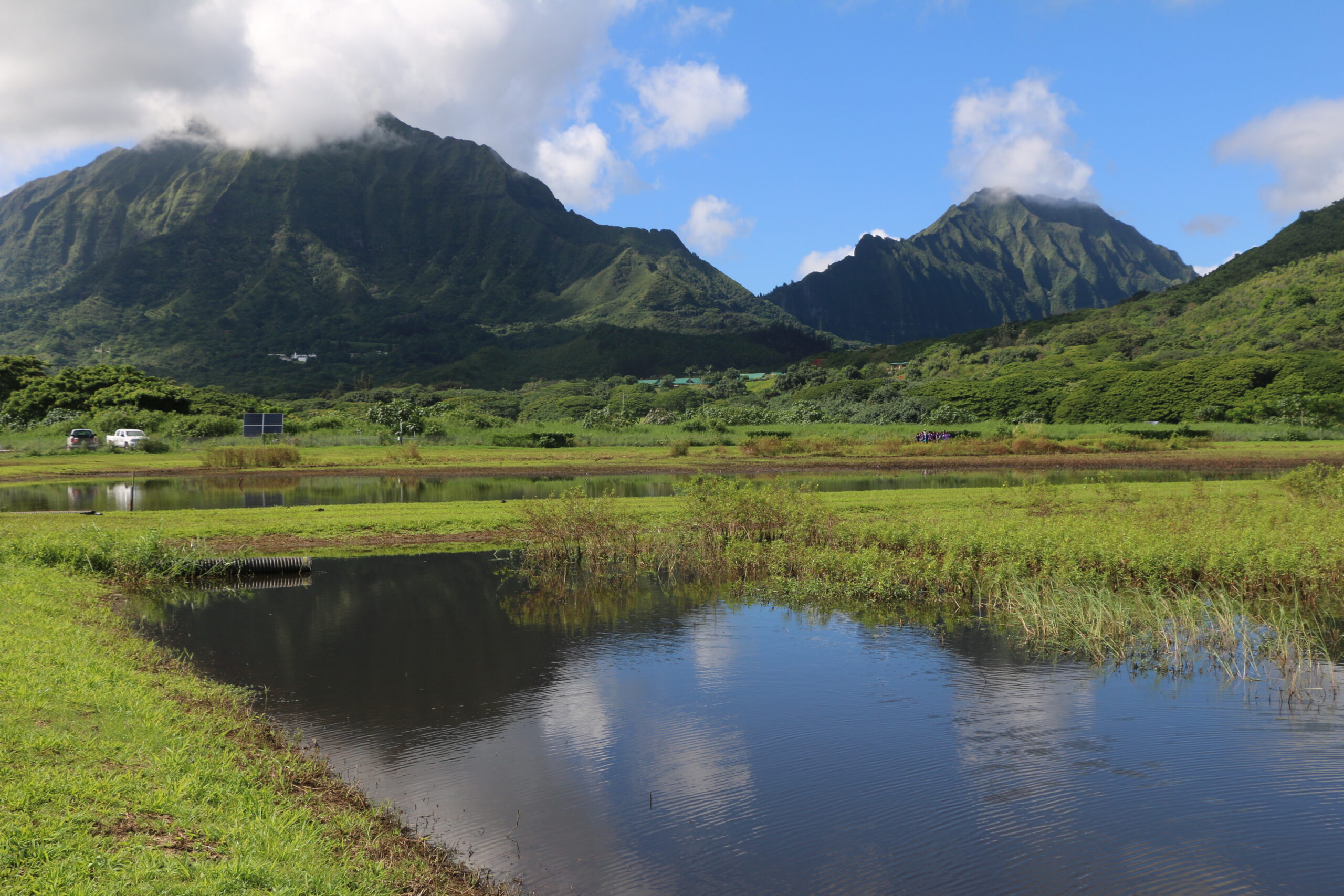
NAWCA is synonymous with collaborative projects that help create thriving habitats for birds and other wildlife, build storm- and disaster-resilient communities, and support outdoor recreation industries, including hunting, fishing, wildlife viewing, and photography. The restored and enhanced wetlands funded by NAWCA grants also reduce soil erosion, lower flood frequency, recharge groundwater reserves, and improve air and water quality.
But what is NAWCA?
The History of NAWCA
NAWCA stands for the North American Wetlands Conservation Act and the associated Grant Program. Administered by the U.S. Fish and Wildlife Service, NAWCA fosters public-private partnerships to protect, restore, enhance, and manage wetland habitats for a wide diversity of migratory birds and other wildlife. It operates across the United States, Canada, and Mexico and is a non-regulatory, entirely voluntary conservation grant program.
NAWCA was established in 1989 as part of the North American Waterfowl Management Plan—an international, long-term strategy to protect wetlands and other habitats that migratory birds depend on. This program is a large-scale response to the loss of more than half of the wetlands in the United States by the 1980s and the continued loss and conversion of wetlands over time. Since its inception, NAWCA has supported over 2,400 projects across more than 11.7 million acres in all 50 U.S. states.
Rooted in Partnerships
Its success is rooted in partnerships: to date, over 6,200 partners—including private landowners, industries, and state governments—have contributed to NAWCA-funded U.S. projects. For more than 30 years, NAWCA has been a driving force in waterfowl and wetland conservation, which have seen stable or increasing populations since the 1980s, while populations of other taxa and habitat/species groups declined.
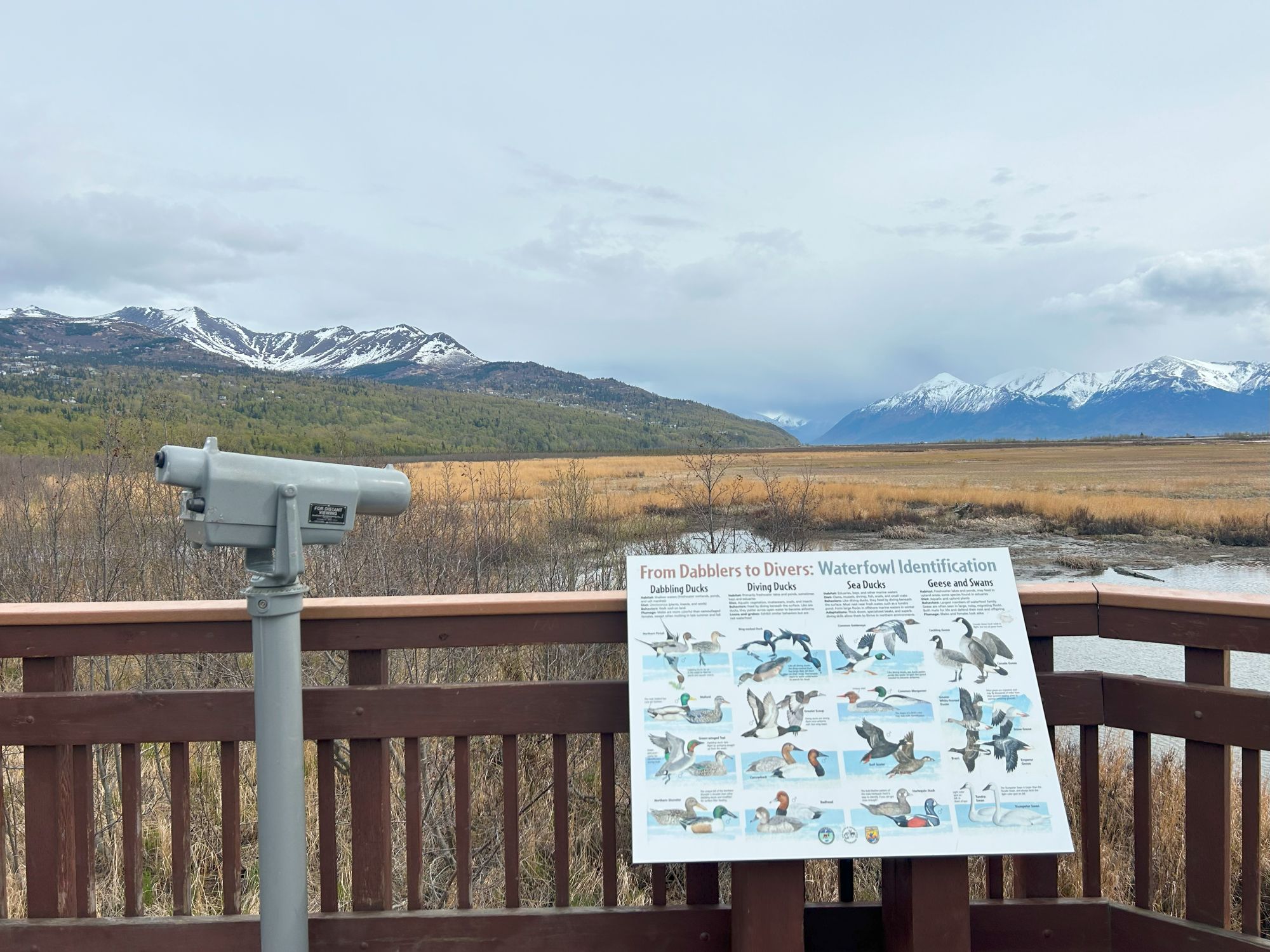
In addition to its environmental impact, the program is highly effective and cost-efficient. Every federal dollar invested in a NAWCA project is matched by non-federal dollars, including private and state fish and wildlife agency funds. This means funds are often doubled or tripled at the local level, helping federal dollars go even further. To date, more than $1.45 billion in U.S. NAWCA grants have leveraged over $3.6 billion in additional funds through matching contributions.
Impact of NAWCA on the Ground
Migratory Bird Joint Ventures work closely with the NAWCA program to deliver projects that align with regional Joint Venture priorities and international-scale NAWCA goals. Within the U.S. service area of the Pacific Birds Habitat Joint Venture, this translates into $59 million in funded projects, supporting conservation on more than 200,000 acres. In Canada, $85 million (CAD) in NAWCA grants have supported conservation on over 158,000 acres.
These investments have tangible benefits for wildlife and communities throughout the Pacific Birds' geography, as demonstrated by the examples below.
NAWCA is more than just dollars—it’s a partnership-building tool that makes conservation more effective and efficient. Restored wetlands ensure that birds and other wildlife thrive long into the future. But the benefits extend far beyond wetlands: restored wetlands improve storm infrastructure, build resilience to sea level rise, support cleaner air and water, and create economic and recreational opportunities for communities.
To learn more about NAWCA, visit our NAWCA page and the USFWS website.