Coastal wetlands are among the most productive ecosystems on Earth, providing clean water, increased resilience to climate change, and billions of dollars in recreational and economic benefits annually.
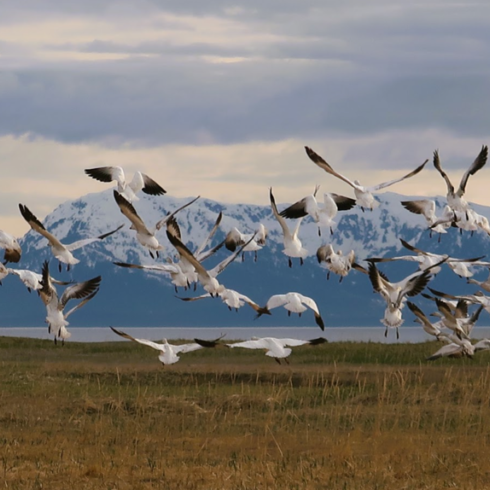
The coastal wetlands along the northern portion of the Pacific Flyway create an ecological network critical to migratory birds–the Yukon-Kuskokwim Delta, the Copper River Delta, the Fraser River Delta, Puget Sound, the Columbia River Estuary, and Humboldt Bay, among the largest. Along the flyway, coastal wetland habitats, including tidal wetlands, mudflats, eelgrass beds, and freshwater wetlands, are utilized by millions of migrating birds for breeding, resting, refueling, and overwintering. These areas provide essential habitats for a diversity of wildlife species and are highly valued by human communities for hunting, fishing, birding, and cultural and recreational activities. Adding to the diversity of wildlife are 190 species of waterfowl, shorebirds, waterbirds, and wetland-associated landbirds that call this geography home.
By working together to conserve healthy wetlands and ecological processes in coastal ecosystems, we can help ensure birds, other wildlife, and people thrive in abundant and biodiverse habitats that are safeguarded for future generations. Pacific Birds' work in coastal wetlands in the Pacific Northwest and Alaska is guided by a conservation priority committee and a Coastal Wetlands Strategic Plan. In B.C., our activities are coordinated by a Steering Committee that includes representatives from its major partners and the Pacific Birds B.C. Implementation Plan.
The Case for Conservation
Estuaries and coastal freshwater wetlands have been significantly altered by urbanization, development, and industrialization, putting species at risk and decreasing the resilience of human communities. These habitats have been significantly reduced or degraded in most areas outside of Alaska and northern British Columbia. Additional threats include introduced and invasive species and pollution.
Efforts to protect and restore coastal wetlands are critical to slow or reverse the decline of coastal birds. Birds that overwinter in coastal areas are facing the steepest proportional losses; a third of shorebird species have experienced cumulative population losses exceeding 70% since 1980.
As we look to the near future, sea level rise and increased flooding and storm surge will dramatically alter coastlines – and how people and wildlife use coastal lands and waters.
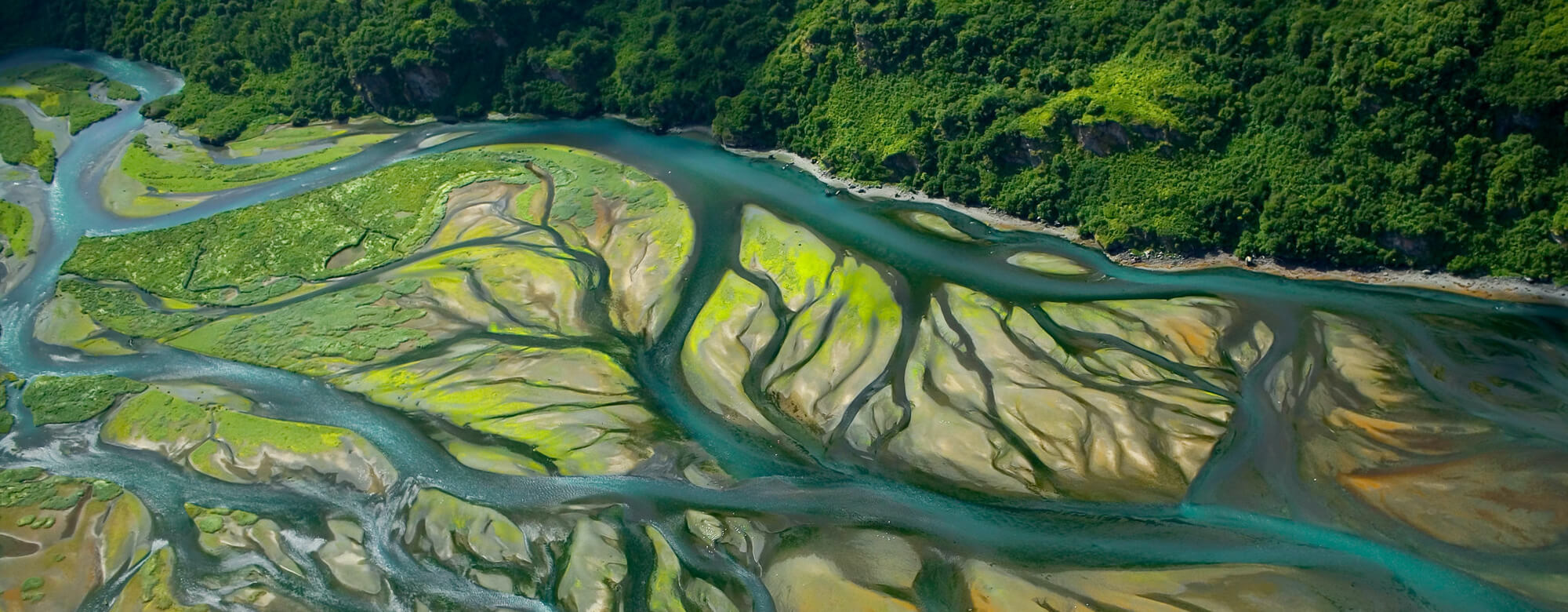
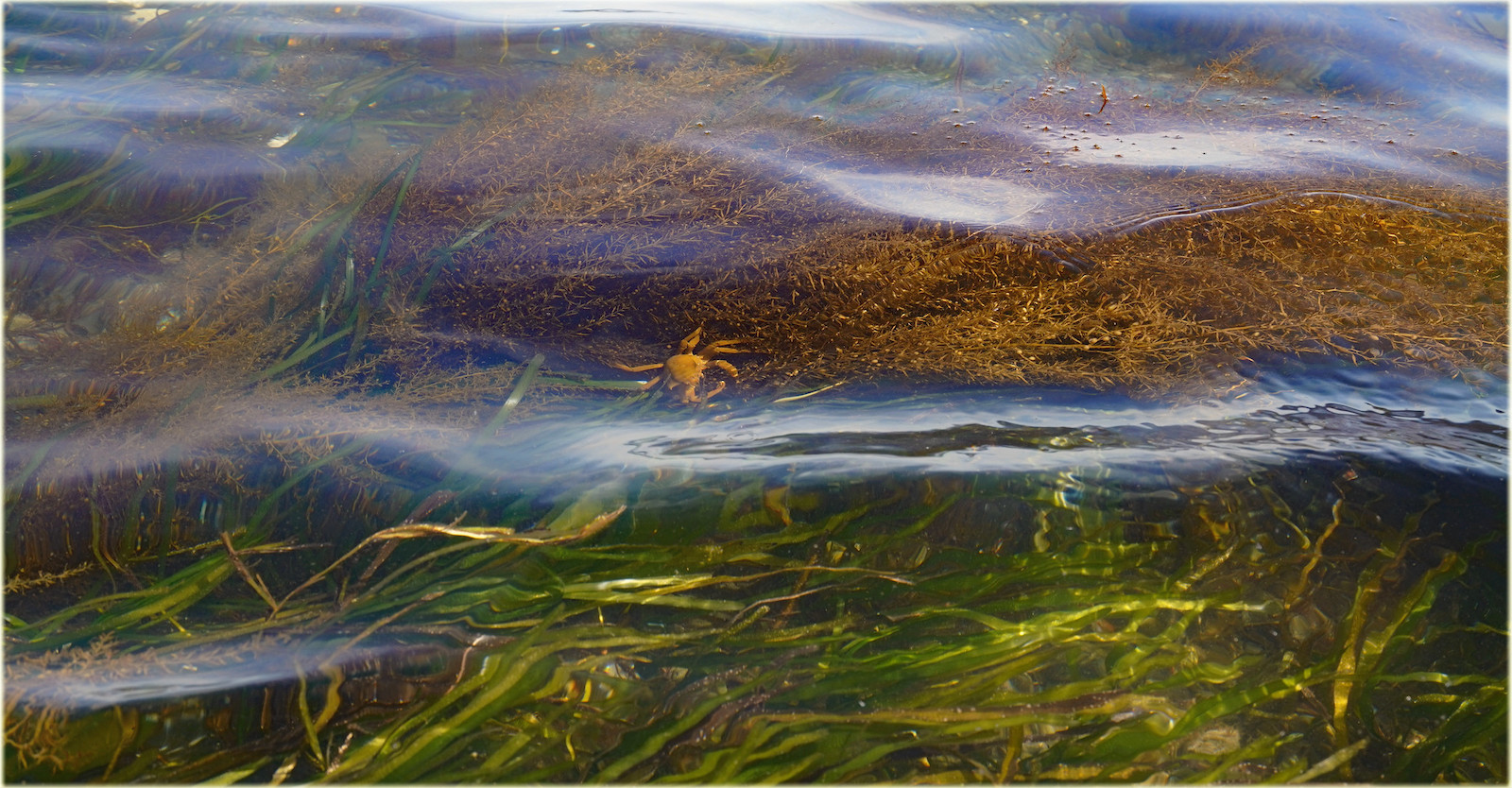
Coastal wetlands encompass a variety of habitats, including estuaries, tidal and subtidal flats, marshes, swamps, and freshwater wetlands, all unique and productive environments. These habitats serve as vibrant feeding grounds and nurseries for numerous species of birds, fish, mammals, invertebrates, and other wildlife.
Across the northern Pacific Flyway and beyond, coastal wetlands form a critical network of stopover sites for millions of migratory birds, which they use to breed, rest, refuel, and overwinter. When these habitats are lost or degraded, migratory birds lose vital parts of this network and have fewer safe places to land.
Coastal wetlands play an essential role in reducing the impacts of climate change, acting as natural buffers against storms, flooding, and sea level rise, by helping to absorb and dissipate the energy of waves, and by holding excess water during heavy rains and high tides. Wetland vegetation helps stabilize soil and prevent erosion along coastlines. Vegetated coastal habitats also efficiently trap suspended organic matter during tidal inundation, capturing carbon at a rate ten times greater than tropical forests.
Coastal wetlands hold significant cultural value to Indigenous Peoples and local communities and are important for spiritual practices and well-being, cultural heritage, traditional harvests, and subsistence. Coastal wetlands also sustain commercial fisheries and shellfish farms and support recreational tourism. In addition, they provide several vital ecosystem services, improve water quality, and maintain the health of coastal ecosystems by filtering pollutants, sediment, and excess nutrients from water before it enters the ocean.
Priority Habitats
Four focal habitats were selected as priorities for the next ten-year phase to maximize the impact of limited resources and their high potential to support the current populations of priority bird species—this involved consideration of conservation needs, urgency, and partner engagement.
The focal habitats are:
- Tidal Wetlands, Intertidal Mudflats, Estuaries, Sandspits
- Eelgrass Meadows
- Freshwater Wetlands and Lakes
- Bird-Friendly Working Lands and Waters, including Agricultural Lands
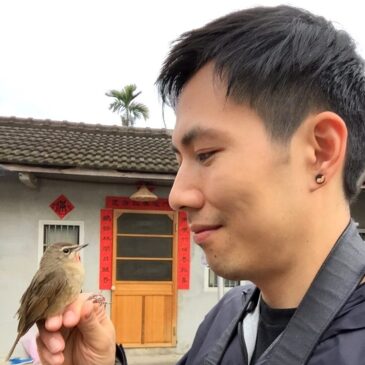
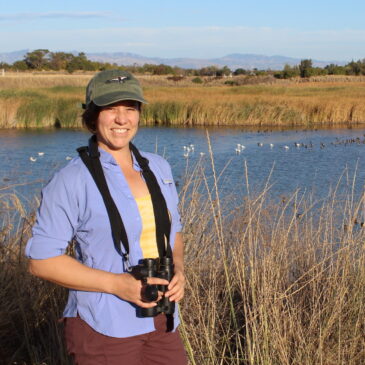
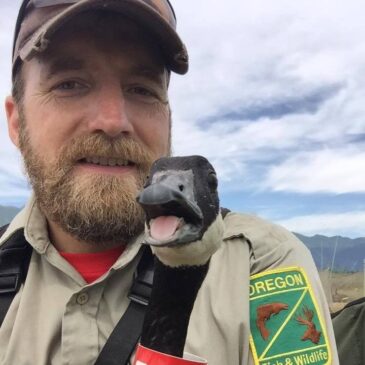
Meet the Coastal Wetlands Committee
Pacific Birds benefits from the expertise and dedication of many collaborators. View a full list of Coastal Wetlands Committee members here.





Strategies for Coastal Wetlands
Dig deeper into the objectives, strategies, and actions needed in coastal wetlands in the Pacific Northwest & Alaska in the Coastal Wetlands Strategic Plan and in British Columbia in the Pacific Birds British Columbia Implementation Plan 2020-2030.
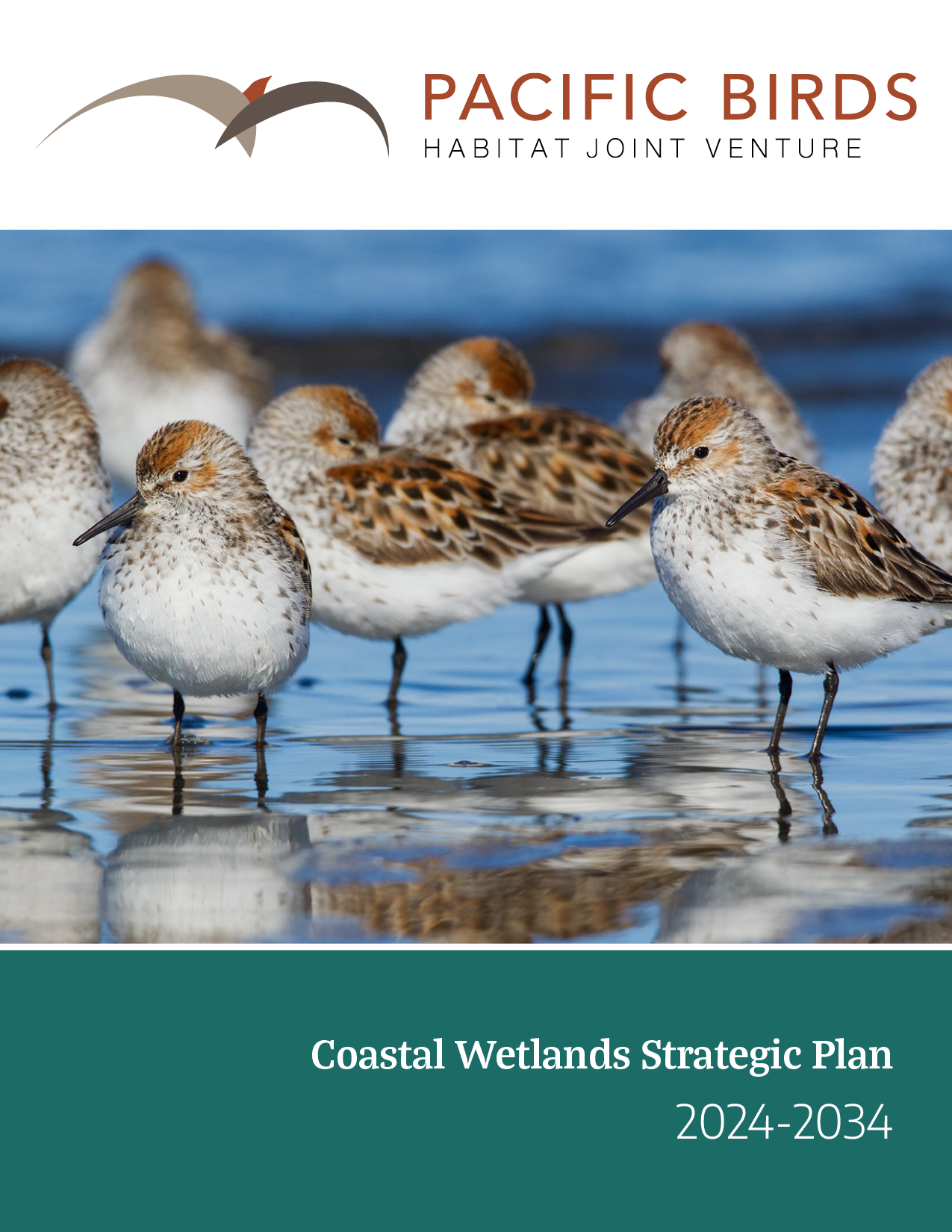
PLANS & STRATEGIES: Coastal Wetlands Strategic Plan (2024-2034)
The Coastal Wetlands Strategic plan describes overarching conservation strategies, priority coastal bird species, and associated population and habitat objectives that Pacific Birds and partners will focus on over the next ten years. Across the focal habitats, several overarching strategies are identified to support conservation, each complemented by a suite of recommended actions:
- Protect and restore coastal wetlands and watershed function
- Build habitat and community resilience to climate change
- Strengthen monitoring, research, and knowledge transfer
- Increase awareness and engagement
- Increase funding and capacity
Development of the Pacific Birds Coastal Wetlands Strategic Plan was facilitated by Pacific Birds staff and Coastal Wetlands Committee, with additional input from numerous partners, experts, and reviewers.
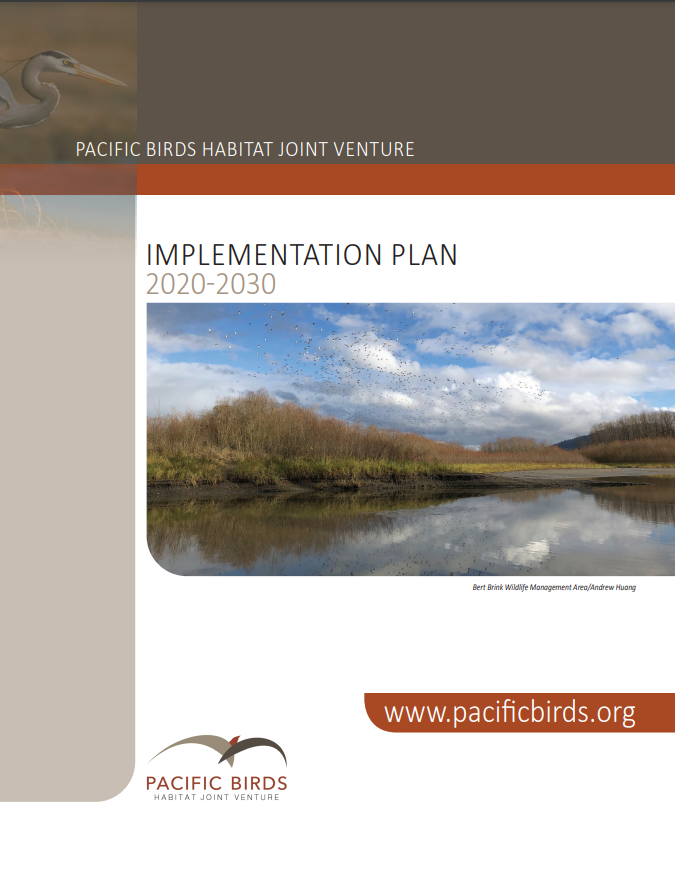
PLANS & STRATEGIES: British Columbia Implementation Plan (2020-2030)
In British Columbia, Pacific Birds partners co-developed a list of limiting factors for birds and bird habitat in the region and subsequently identified key strategies along with 5- and 10-year objectives. These include habitat securement, restoration, and management objectives to guide conservation actions in priority habitat types and for the conservation of priority species.
Human Dimension objectives were also developed to address knowledge gaps related to private landowners, governments, the general public, recreational users, and Indigenous communities.
Projects Related to Coastal Wetlands
EXPLORE COASTAL WETLANDS PROJECTS Geonarrative: Migratory Bird Habitat of the Fraser River Delta
Learn about some of the most ecologically significant migratory bird habitat found on the Pacific Coast of the Americas! These story maps will guide you through content from three reports produced by Pacific Birds. They provide information on the significance of the Fraser River Delta, threats to migratory bird habitat and actions that partners can undertake to protect this habitat.
EXPLORE COASTAL WETLANDS PROJECTS eBird Dashboards
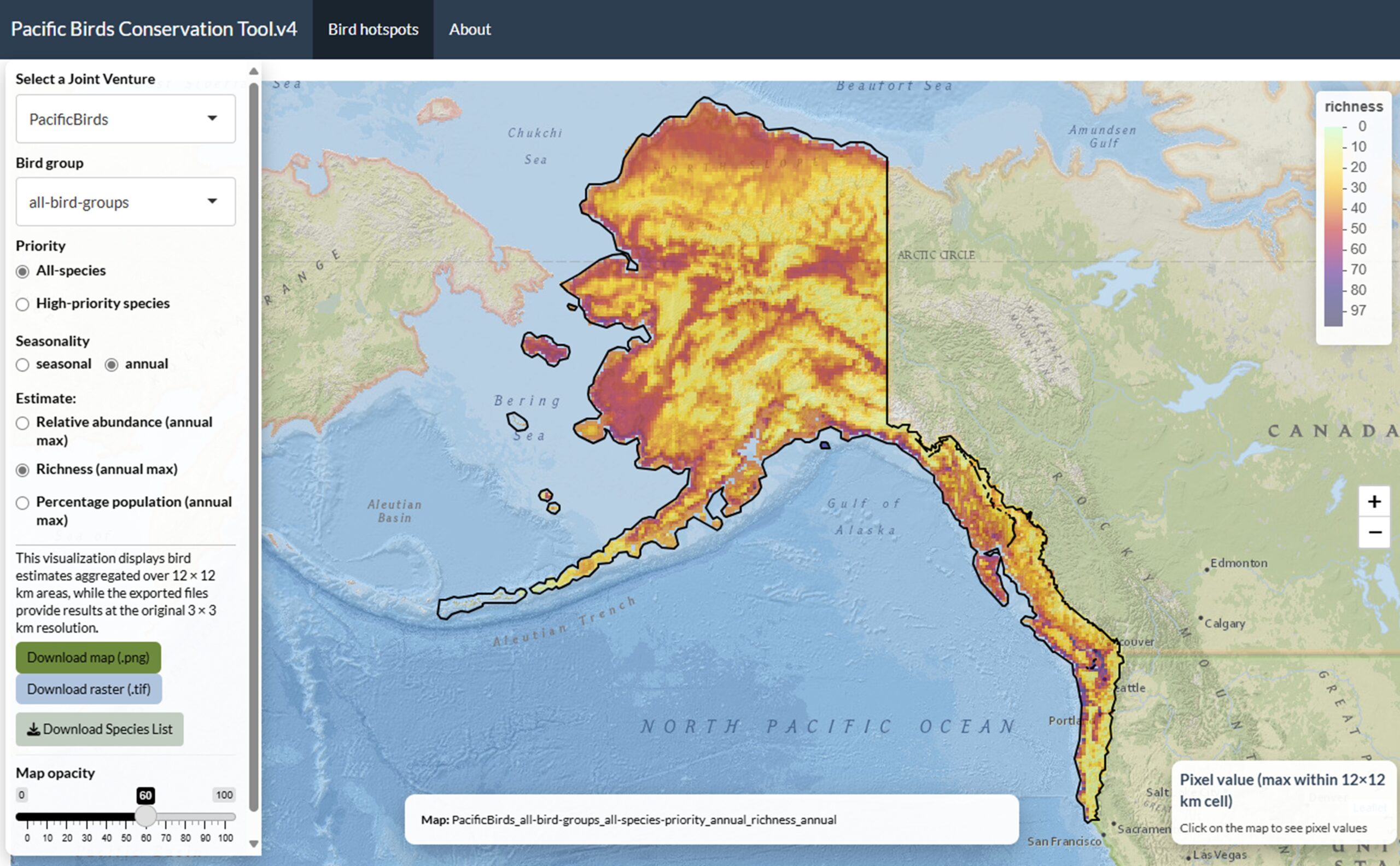
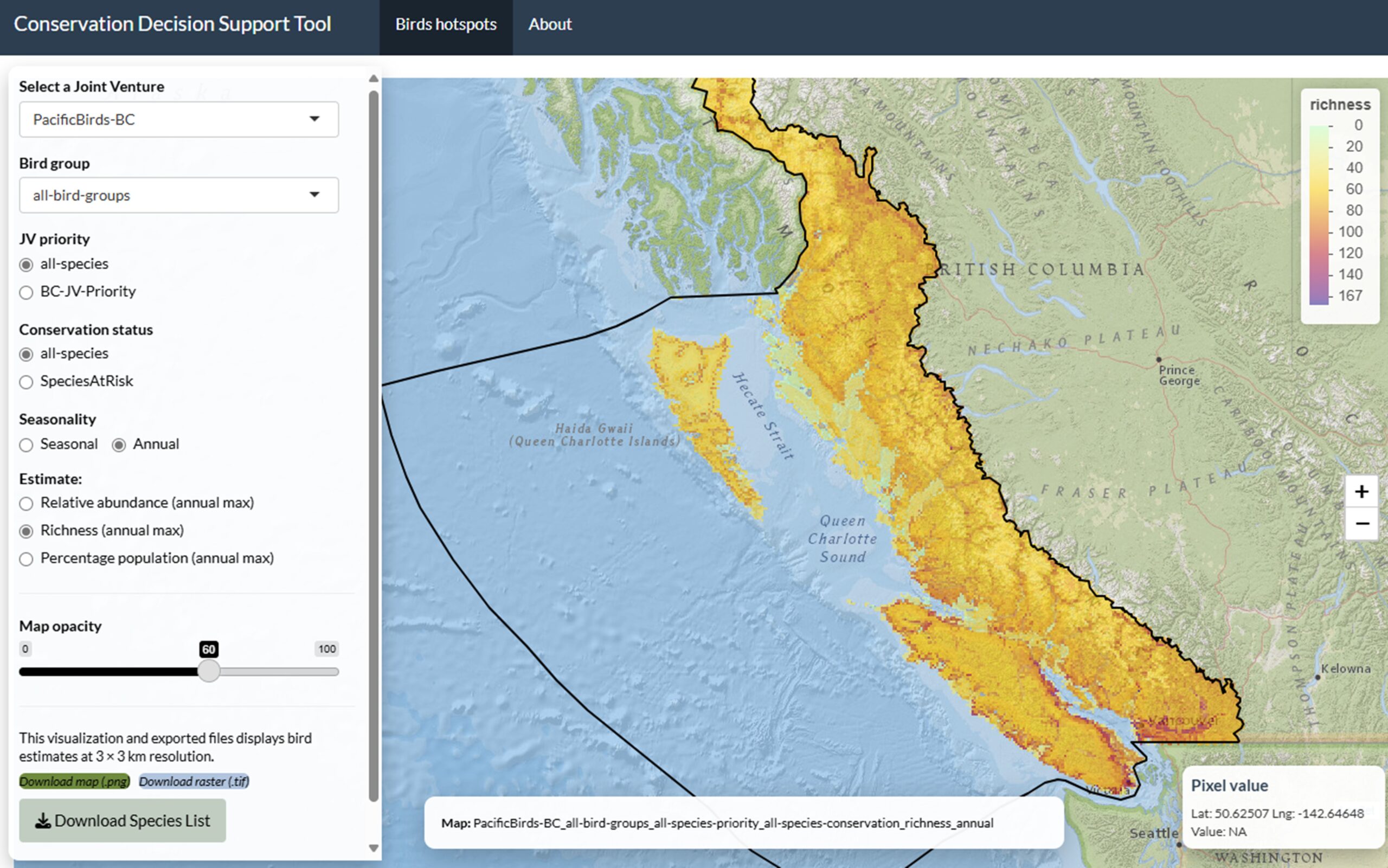
Use the eBird Dashboards to:
- Explore maps for wetland associated birds or various coastal bird groups of interest
- Explore different multispecies bird metrics, including wetland species richness, relative abundance, or percentage of modeled global populations
- Explore maps across the full annual cycle or by seasons, including breeding, postbreeding (fall migration), nonbreeding, and prebreeding (spring migration)
EXPLORE COASTAL WETLANDS PROJECTS Geonarrative: Indigenous Communities and Migratory Pathways
The U.S. Geological Survey, Pacific Birds, and other partners recently initiated a project to describe and share Indigenous approaches for tracking phenological changes in coastal bird migration and associated habitats on Molokaʻi and in southcentral Alaska. The project brings together Indigenous Knowledge Holders and conventional scientists to document environmental changes and understand their impacts on birds, people, and the land.

Contact Us about Coastal Wetlands:
Laura Farwell, Coastal Wetlands Coordinator
Recent News About Coastal Wetlands