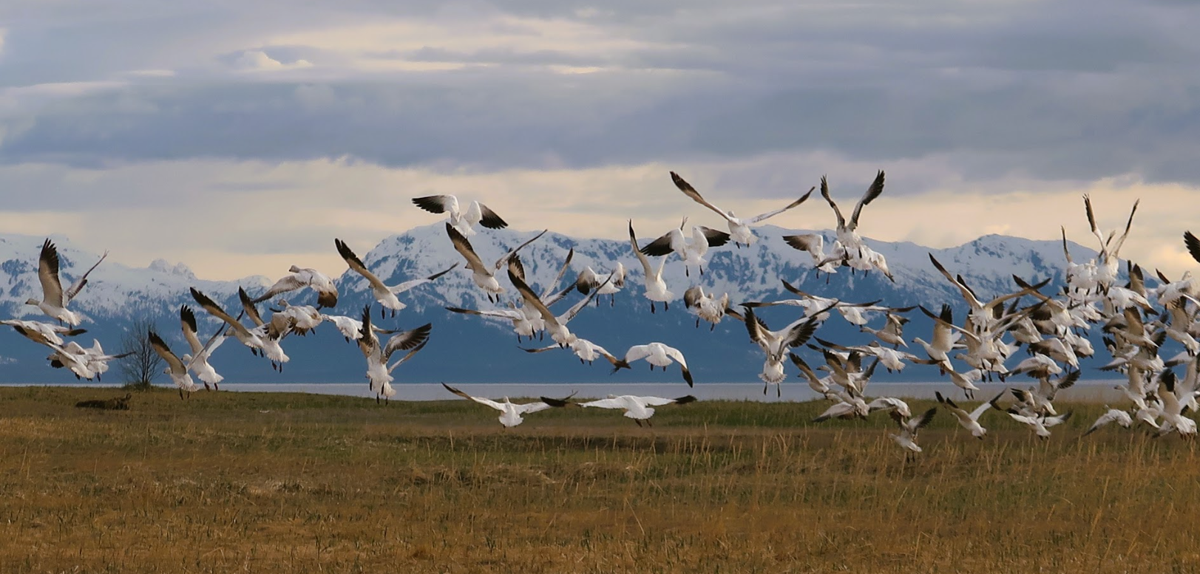
The conservation of migratory birds requires taking action everywhere they fly. The North American Wetlands Conservation Act (NAWCA) is one of the premier granting programs working to support long-term protection, restoration, and enhancement of wetlands and associated upland habitats for the benefit of all wetland-associated migratory birds in the United States, Mexico, and Canada.
The U.S. Fish and Wildlife Service recently announced nearly $133 million in funding for NAWCA grants. Migratory Bird Joint Ventures play an important role in defining regional conservation priorities and supporting applicants in project development.
Three projects funded in this grant cycle are within the Pacific Birds service area – one in Alaska and two in British Columbia. Together, the three grants represent an investment of $8.8 million leveraged with matching partner funds totaling $9.4 million. This funding will move forward vital conservation projects in vulnerable wetland habitats that migratory waterfowl and shorebirds depend upon. Each project contributes to the dispersed network of sites that support migratory birds during their life cycle.

Protecting Gustavus Beach Meadows and Snipe Swale Meadows in Alaska
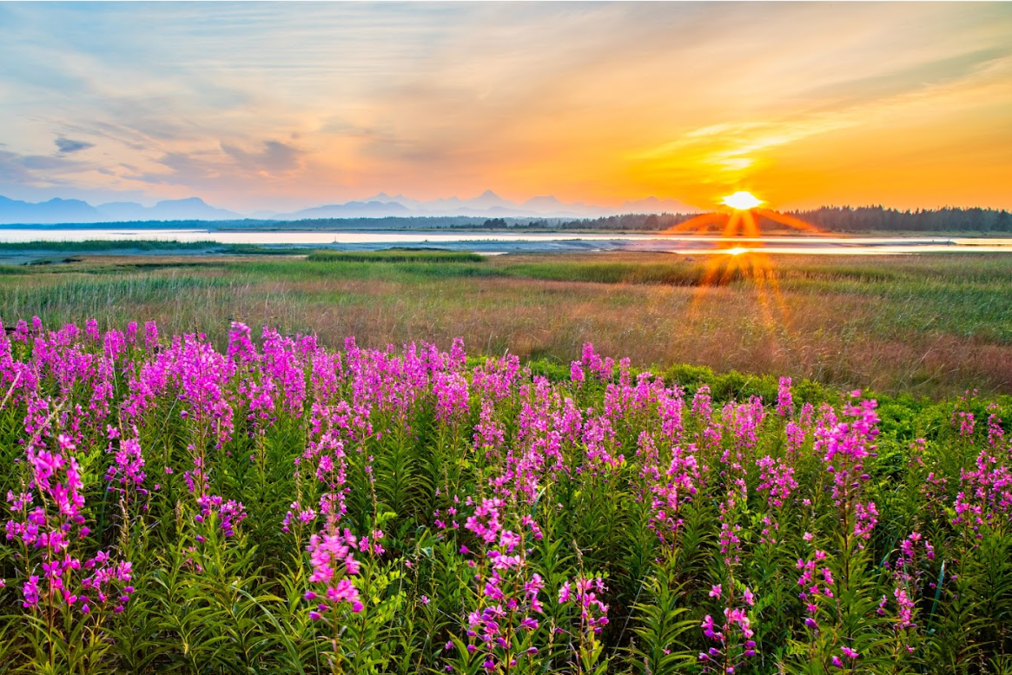
Grantee and Partner Organizations: Southeast Alaska Land Trust, Atira Conservation, the City of Gustavus, and the Beach Meadows Protection Fund
This project will permanently protect a 211 acre site called Gustavus Beach Meadows near Gustavus, Alaska. Gustavus Beach Meadows contains diverse wetland and forest ecosystems including mudflats, sandflats, tidelands, and willow stands that support migratory waterfowl. This site provides essential breeding and stopover habitat for Pacific Brant, Dusky Canada Goose, Northern Pintail, Mallard, Long-tailed Duck, and North American scoter species. Preserving this site also strengthens connections to Glacier Bay National Park and safeguards other nearby habitats like Dude Creek Critical Habitat Area and The Nature Conservancy’s Gustavus Forelands by preventing development that could harm shorelines and wildlife.
Wetland-Associated Migratory Bird Habitat Conservation in British Columbia
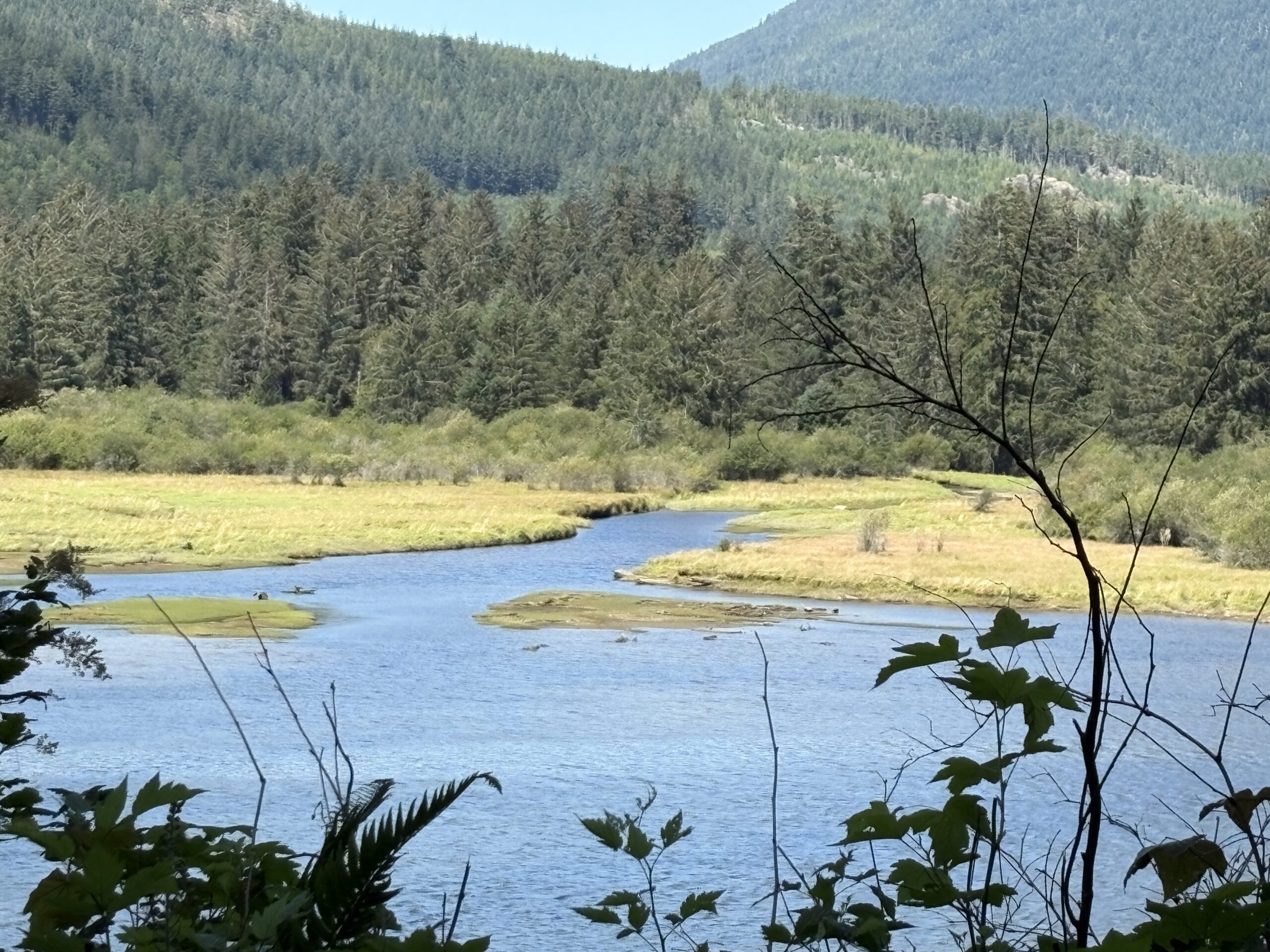
Grantee and Partner Organizations: Nature Conservancy of Canada, American Friends of Canadian Nature, and the Wys Foundation
This project will permanently protect 4,689 acres of wetlands across two priority landscapes in British Columbia: Lower Toqwanen Estuary and Gold River Estuary. NAWCA funds will also enable partners to restore 20.63 acres at Gates Creek Conservation Area. Protecting this habitat will benefit numerous migratory waterfowl and other other wetland-associated birds, including Northern Shoveler, Mallard, American Wigeon, Northern Pintail, Lesser Scaup, Cinnamon Teal, Green-winged Teal, Trumpeter Swan, Townsend's Warbler, Wilson's Warbler, Willow Flycatcher, and Rufous Hummingbird.
Wetland Bird Habitat Acquisition in British Columbia
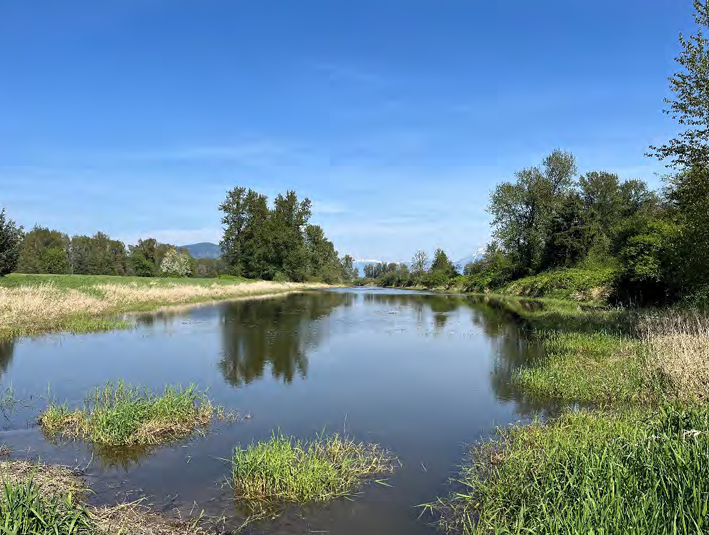
Grantee and Partner Organizations: NTBC and American Friends of Canadian Conservation
This project will permanently protect 1,752 acres of freshwater wetlands, wetland-associated uplands, agricultural land, and riparian forests in British Columbia. This includes habitats within both the Pacific Birds and Canadian Intermountain Joint Venture service areas. In the Pacific Birds geography, the sites are Nicomen Wetland in the East Fraser Lowlands as well as the Kispiox Valley. These locations are internationally recognized for their importance to migratory birds. The East Fraser Lowlands, specifically, support Canada's highest densities of wintering waterfowl. Newly-protected lands will remain publicly accessible, but will be managed under plans designed to maintain ecological integrity and benefit species such as Mallard, Lesser Scaup, Northern Pintail, Trumpeter Swan, and American Wigeon.