Pacific Birds is pleased to welcome Nicole Bison to our team! Nicole is a PhD student at the University of British Columbia’s Biodiversity Research Center. She will work with Pacific Birds as a BRITE intern from October 2026 through May 2027.
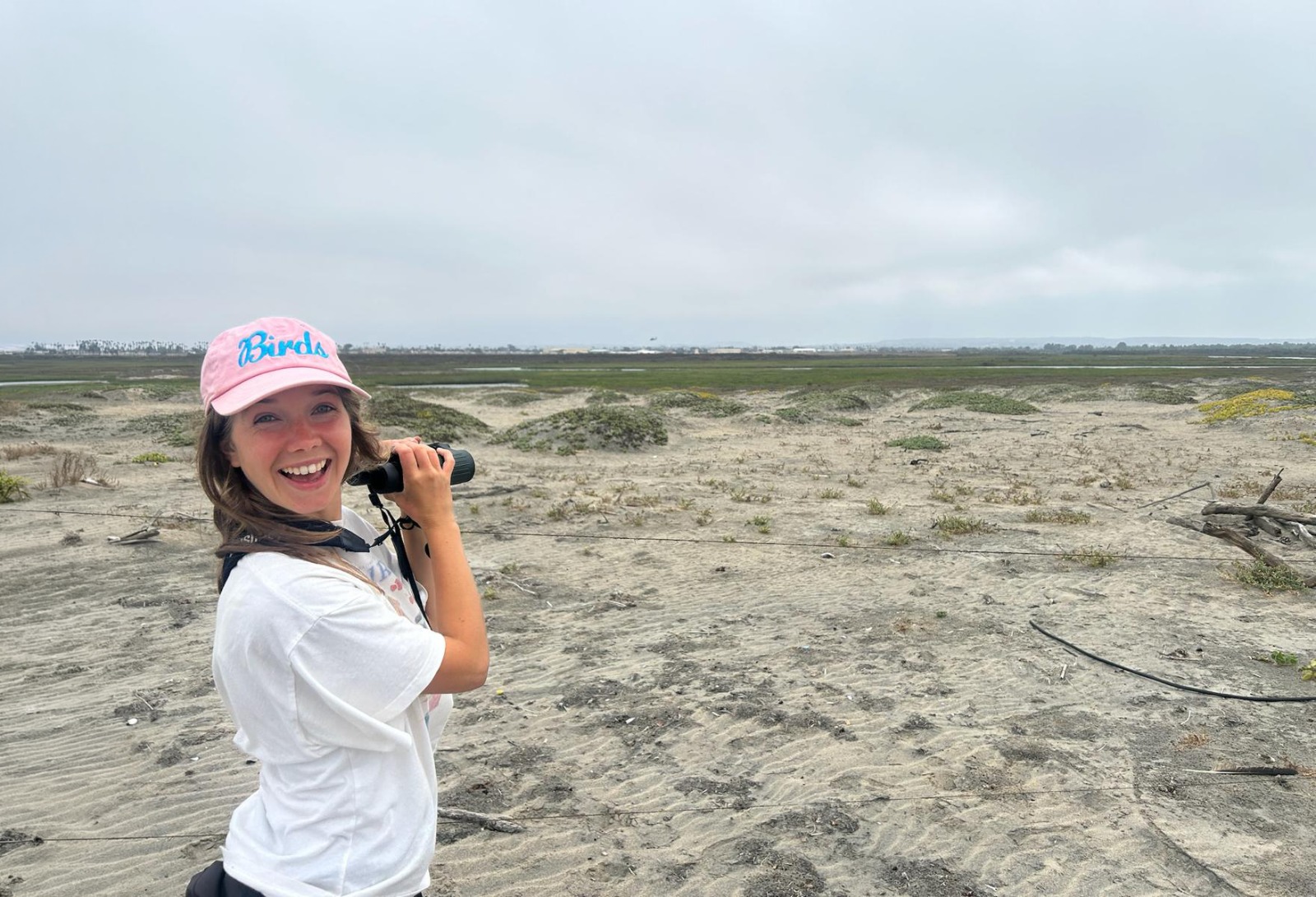
The BRITE (Biodiversity Research: Integrative Training and Education) program places graduate students with a nonprofit or government agency to build their professional experience. BRITE interns apply or extend their academic research while advancing the missions of partner organizations. Nicole will work with Pacific Birds staff to develop ecosystem evaluations for estuaries across British Columbia using InVEST, a software product created by Stanford University’s Natural Capital Alliance.
Natural capital refers to natural assets, including land, soil, air, water, and living things, that make human life and economic activity possible. Ecosystem evaluations aim to put a dollar amount on the benefits that these assets provide to people – also known as ecosystem services. For example, coastal wetlands protect communities from flooding. Ecosystem evaluations quantify the value of these services to make natural capital more visible in decision-making processes.
InVEST (Integrated Valuation of Ecosystem Services and Trade-offs) is a suite of open-source geospatial software models that measure and map ecosystem services. It uses data about the environment to show how changes to ecosystems could affect the flow of services to people. Nicole will use InVEST models to quantify each estuary’s carbon storage, habitat quality, and climate resilience and produce a series of maps that illustrate these values.
InVEST is designed to inform natural resource management decisions and encourage greater investment in nature. This matters because estuaries in British Columbia have been significantly altered by urbanization and industrialization, putting birds at risk. Coastal wetlands form an essential network of stopover sites for millions of migratory birds. When these habitats are degraded, birds lose safe places to rest, refuel, breed, and overwinter. There are 3 billion fewer breeding birds in North America compared to 1970, and since then coastal shorebirds have lost more than one-third of their population. Efforts to protect and restore coastal wetlands are critical to slow or reverse this decline.
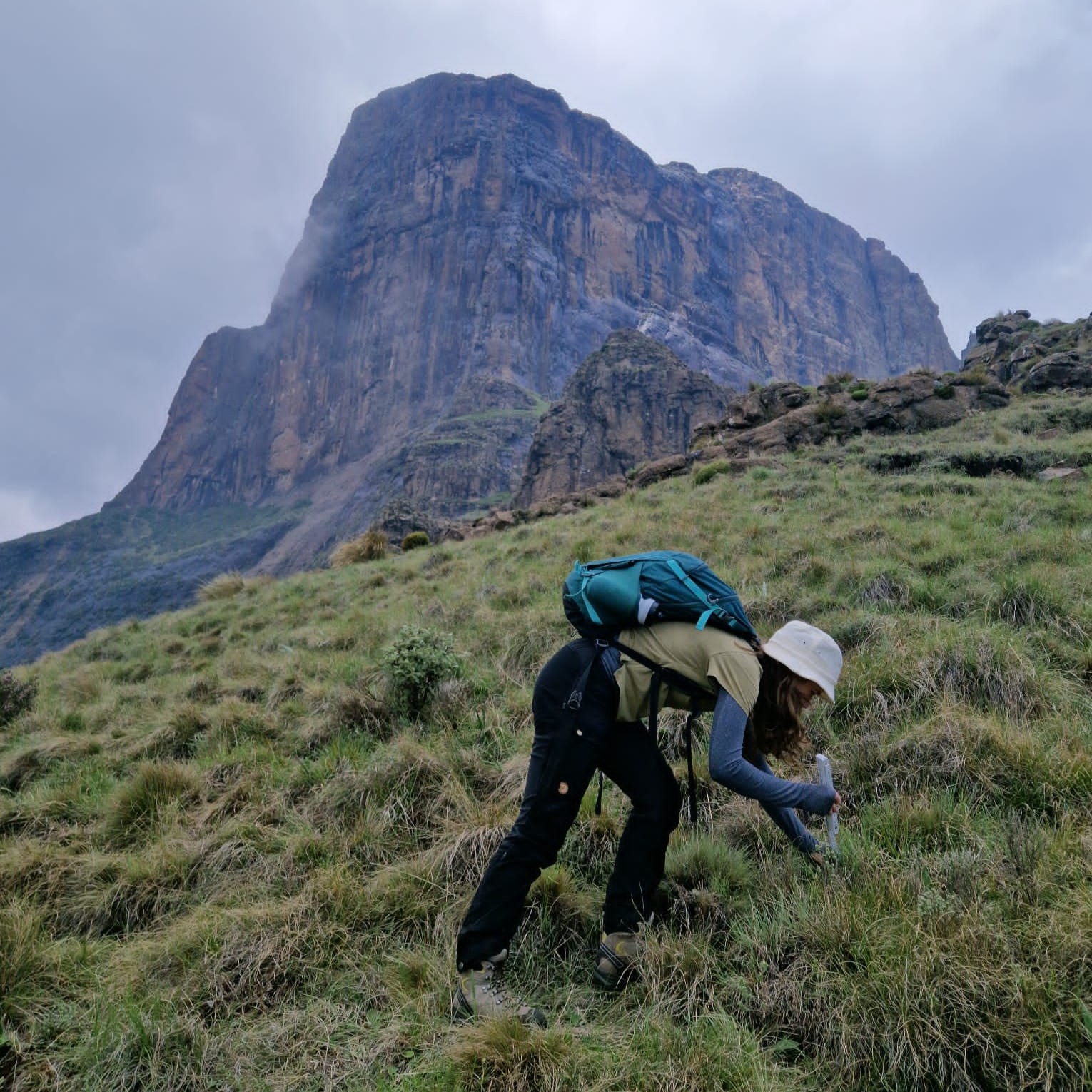
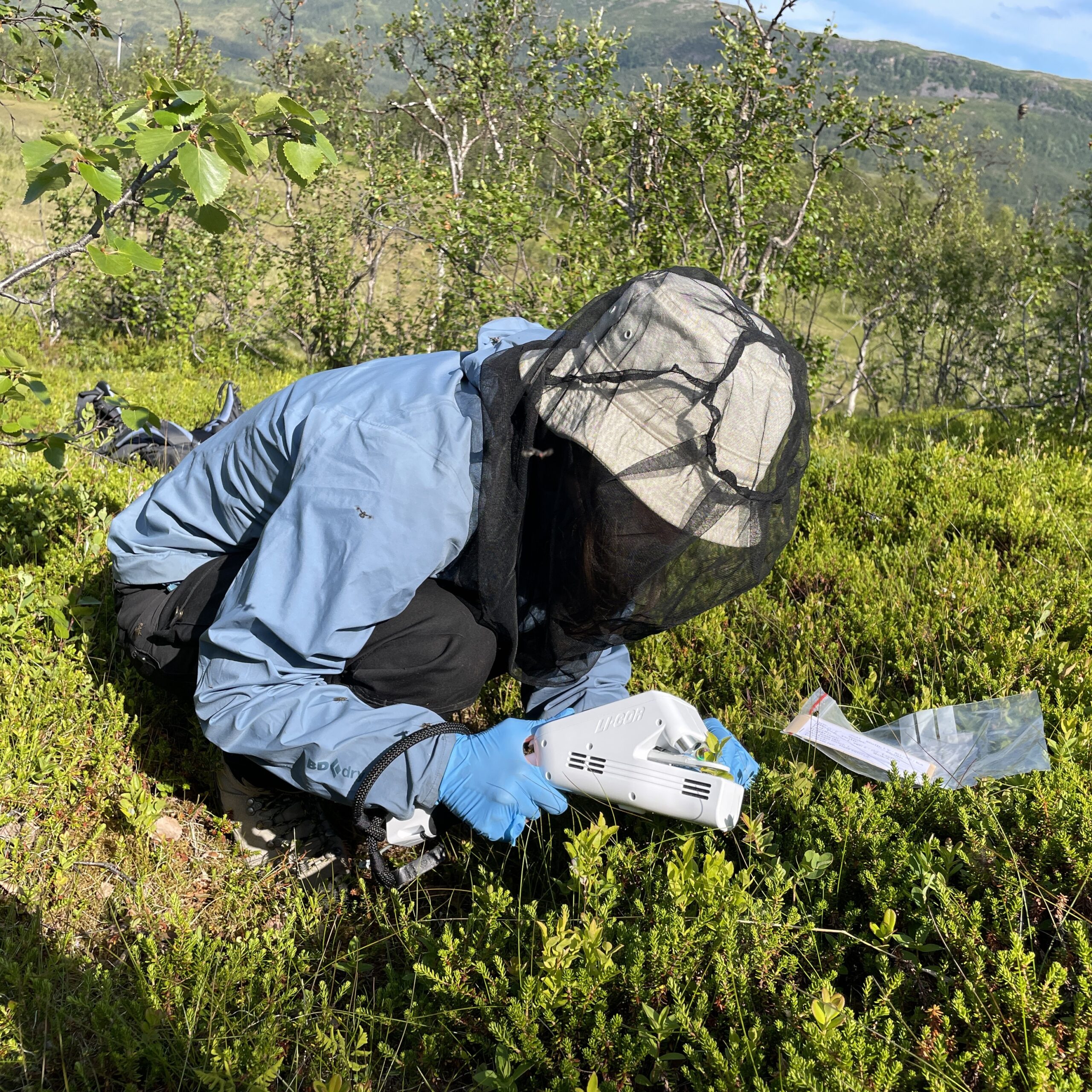
In addition to advancing conservation planning in British Columbia, Nicole’s work will expand her skillset for her PhD research, which aims to quantify the impact of extreme heat on forests. Nicole is studying how plant foliage copes with heat stress, and at what point trees become irreparably damaged during periods of extreme high temperatures, like heat waves or wildfires. This information could help people understand which heat waves are likely to be severe enough to permanently alter ecosystems. After gaining experience with InVEST through her BRITE internship with Pacific Birds, Nicole hopes to explore ways of quantifying the economic costs of heat waves on forests as well.
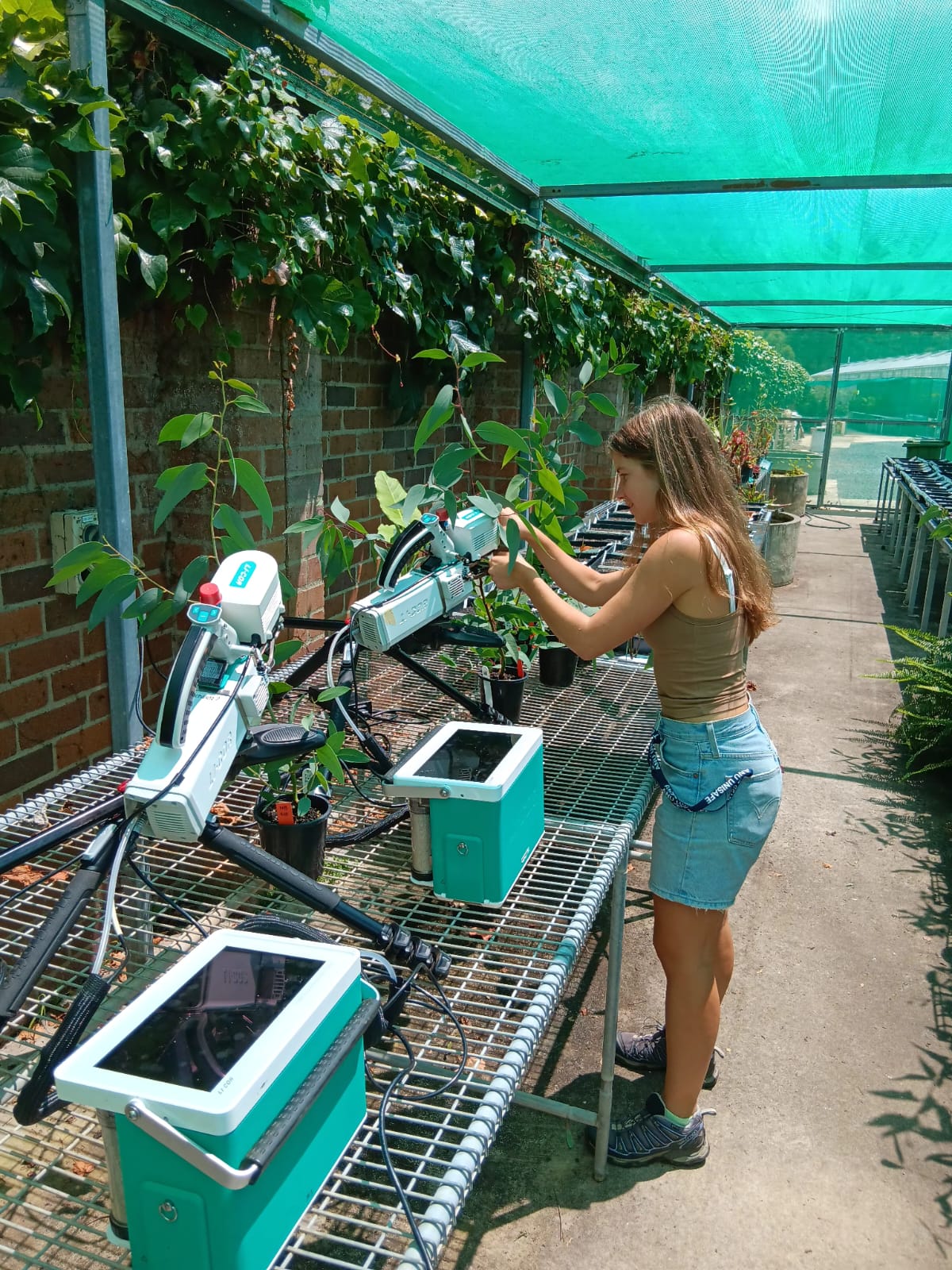
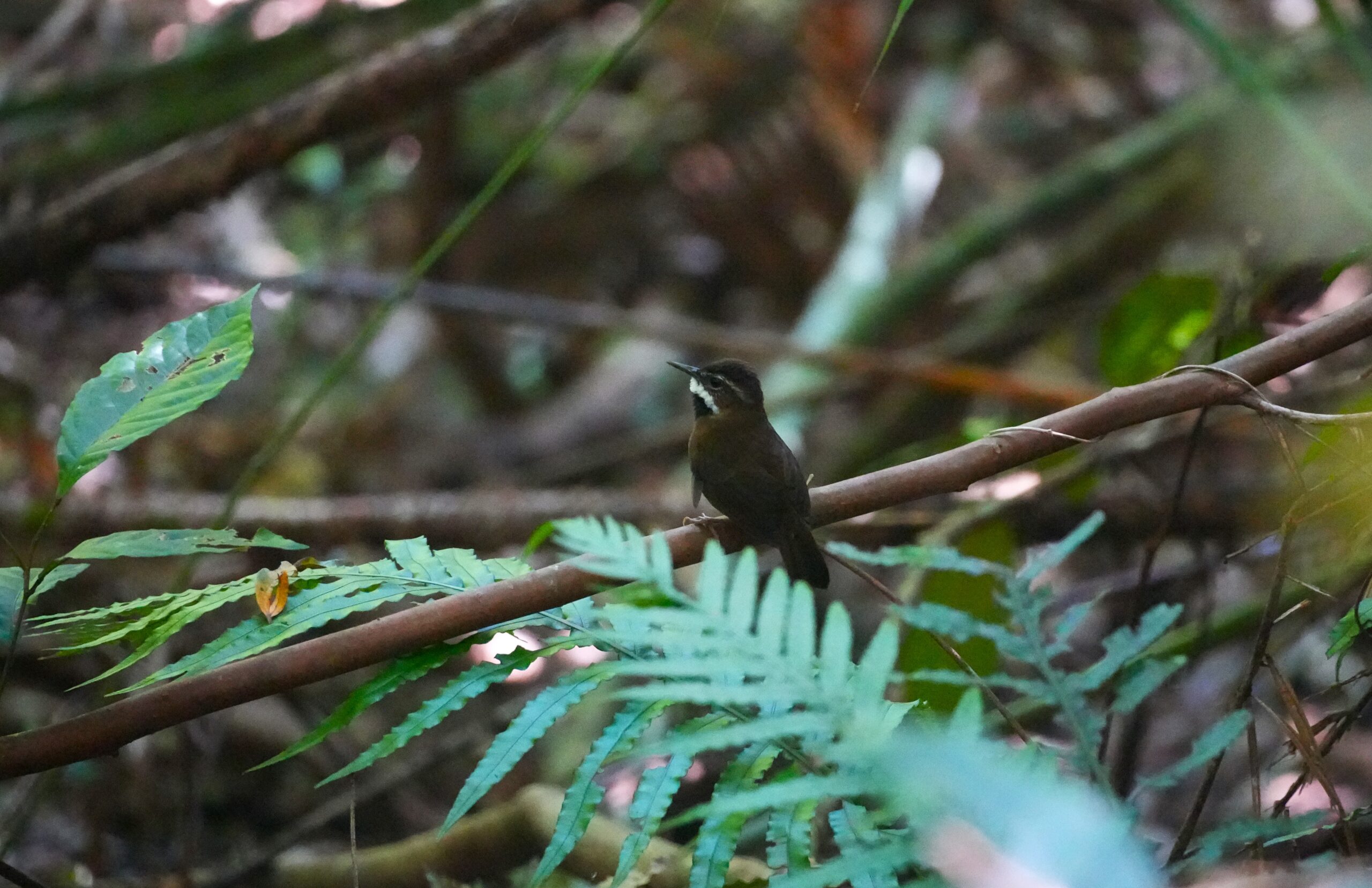
Nicole’s internship is her first formal professional experience with bird conservation, but she travels often for field work, which has made her a keen birder. Visiting South Africa, Norway, and Australia for her research has exposed Nicole to a fantastic array of birds. Recently, while traveling to the Atherton Tablelands of far northern Queensland, she saw the 1,000th species on her life list — a Fernwren (Oreoscopus gutturalis)!
We are excited to see how Nicole’s research progresses, and we look forward to sharing her final products next year!