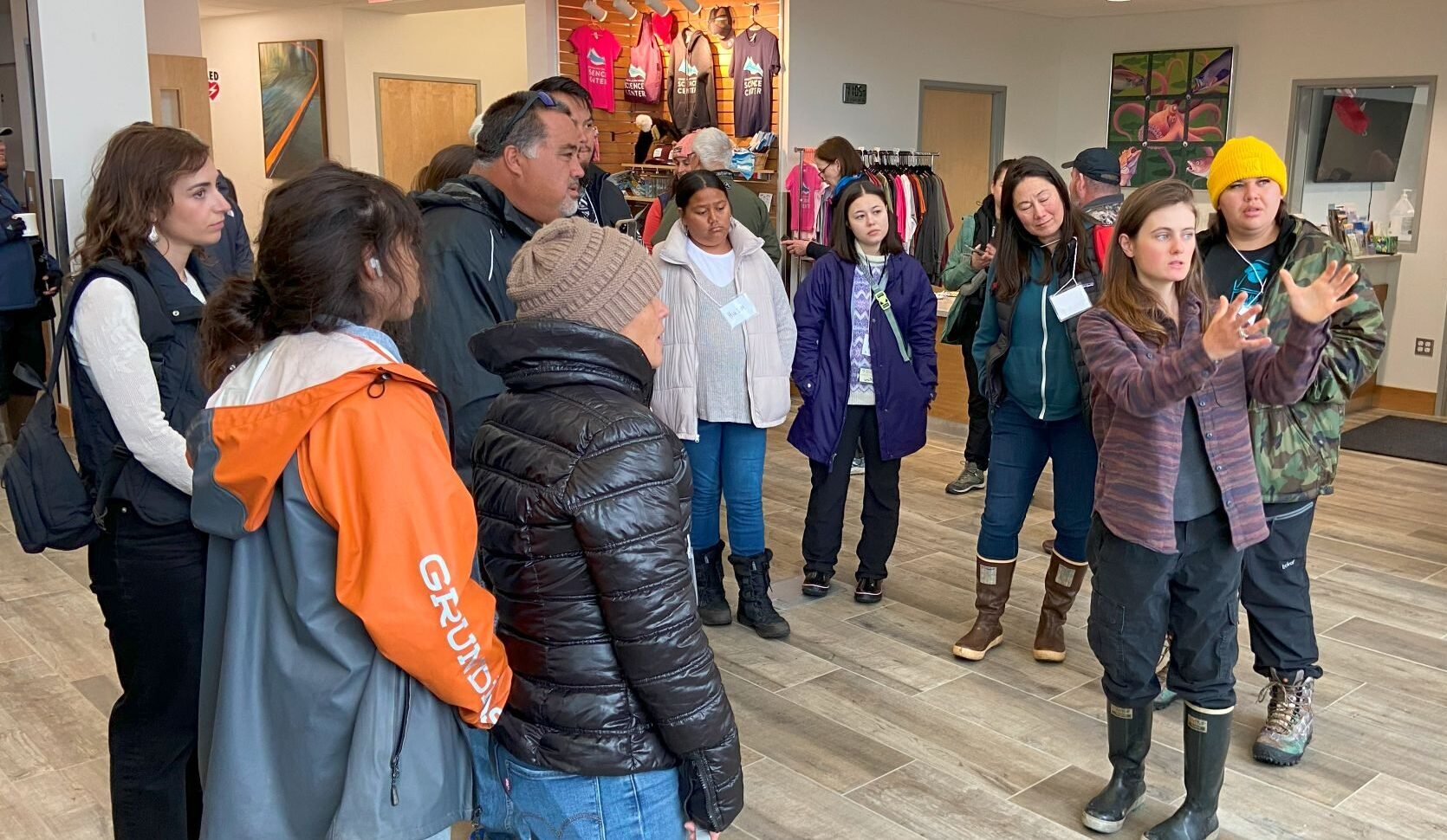
In May, Pacific Birds accompanied partners from Molokaʻi, Hawaiʻi, on a journey to Cordova, Alaska, where vast wetlands meet the sea and millions of migratory birds stop each year en route to northern nesting areas. This trip was a cross-cultural exchange, an opportunity to bridge communities that are thousands of miles apart, and to share cultural practices and traditions related to birds. This workshop was also an opportunity to examine the impacts and responses to climate change in seemingly disparate locations.
Intended to be a multi-generational trip, the group included youth participants, parents, community leaders, government representatives, Eyak Tribal members, Cordova community members, and Pacific Birds staff.
I've always only made the connection between Alaska and Hawaiʻi through our people, the similarities of our practice and protocols.
This trip allowed me to actually see our connection through the focus of our native birds and expand my wonderings and amazement of our manu (birds) - the kōlea and kioea - the how and why these tiny and fragile creatures would traverse many miles over our expansive ocean for two different environments. Perhaps our first explorers, our first navigators.
What can we learn from them?
-Kilia Purdy-Avelino
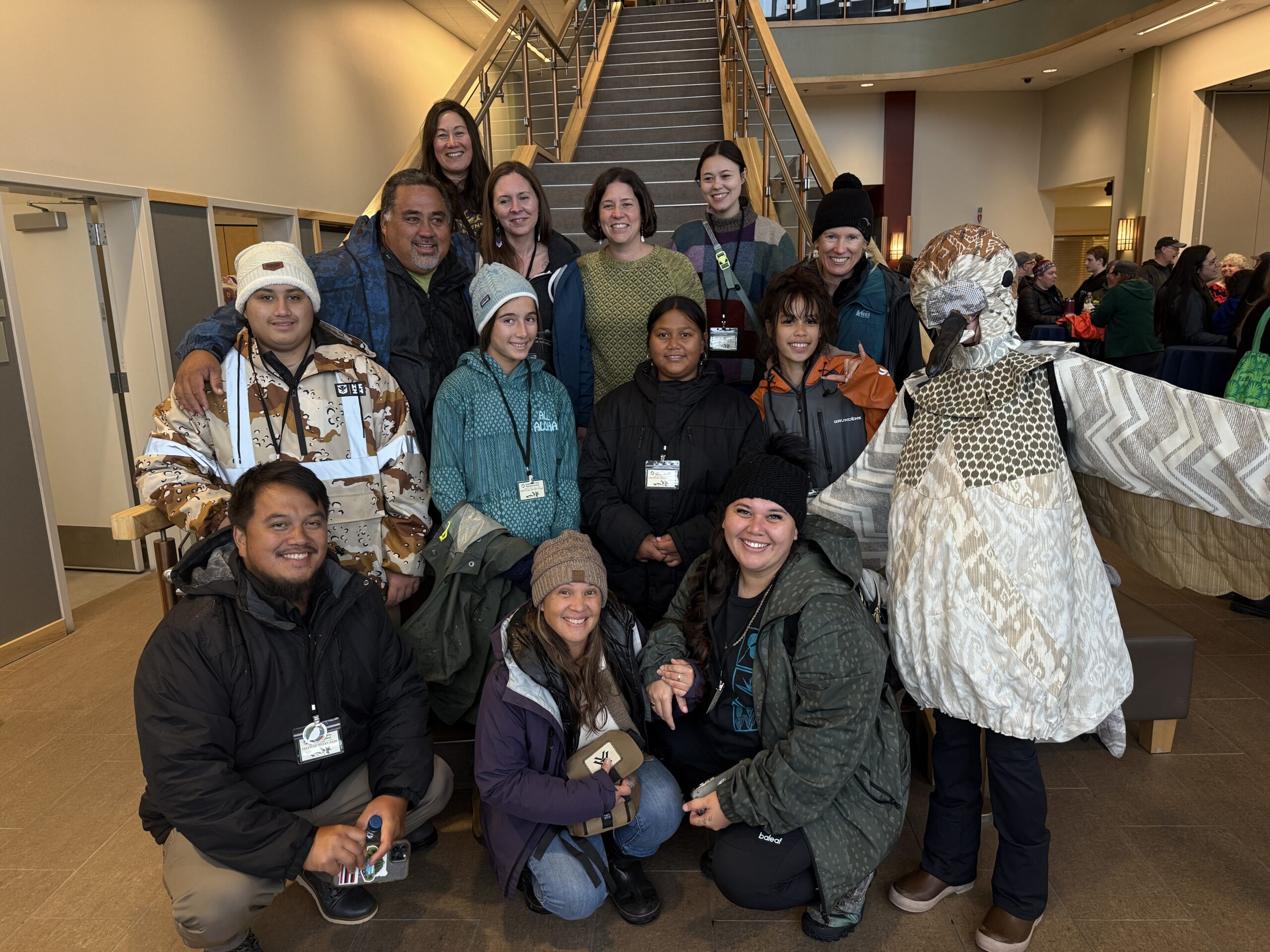
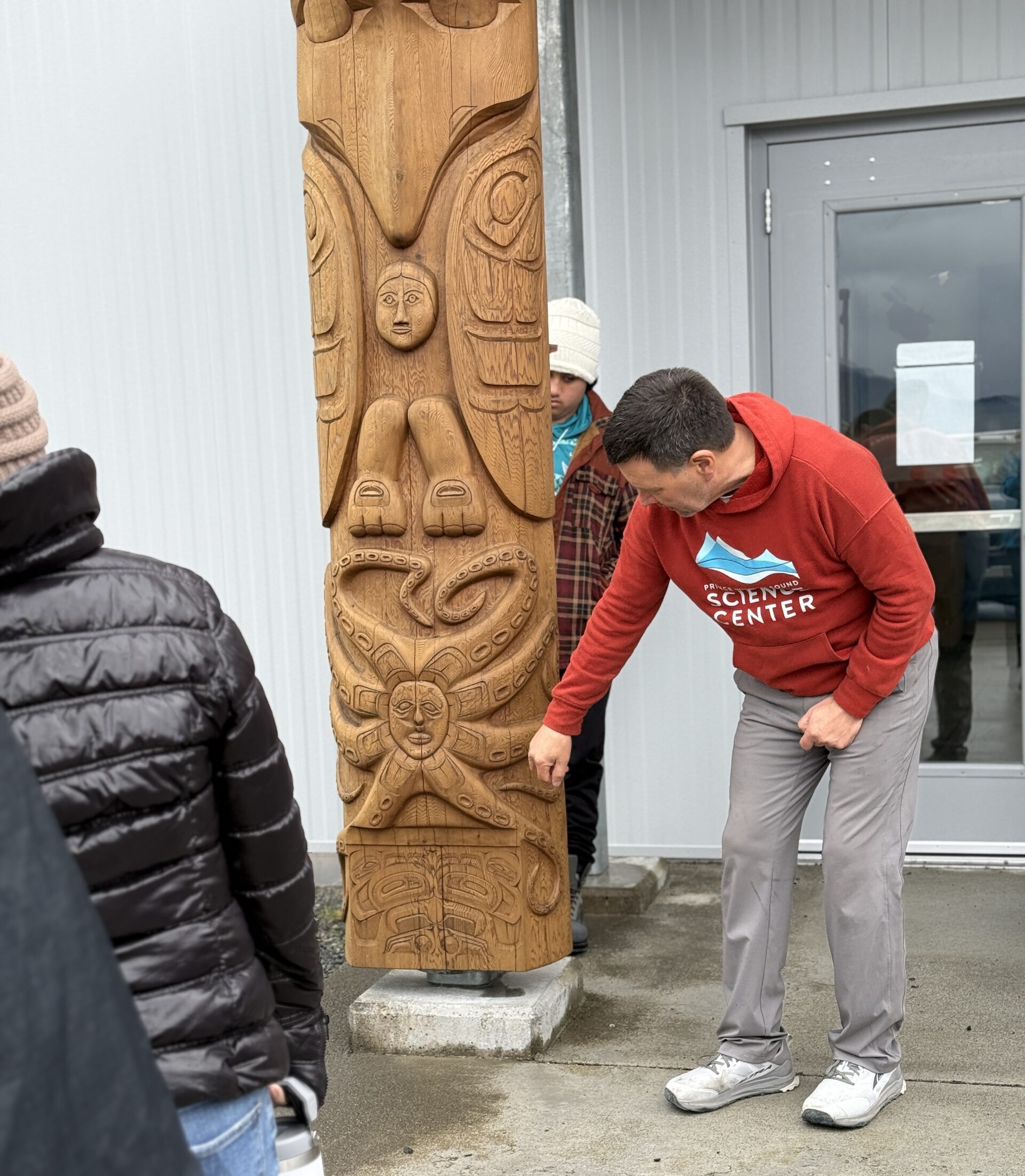
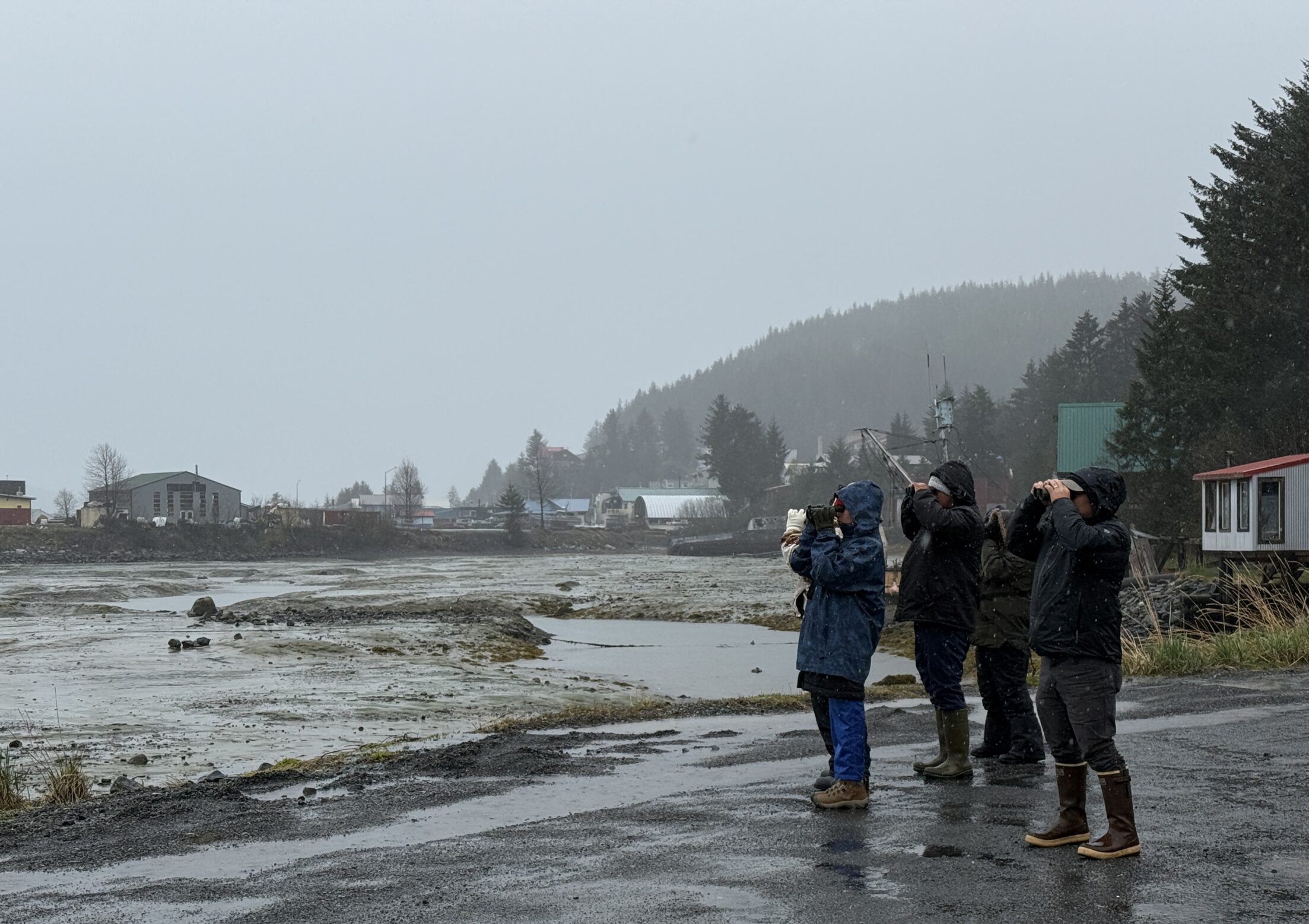
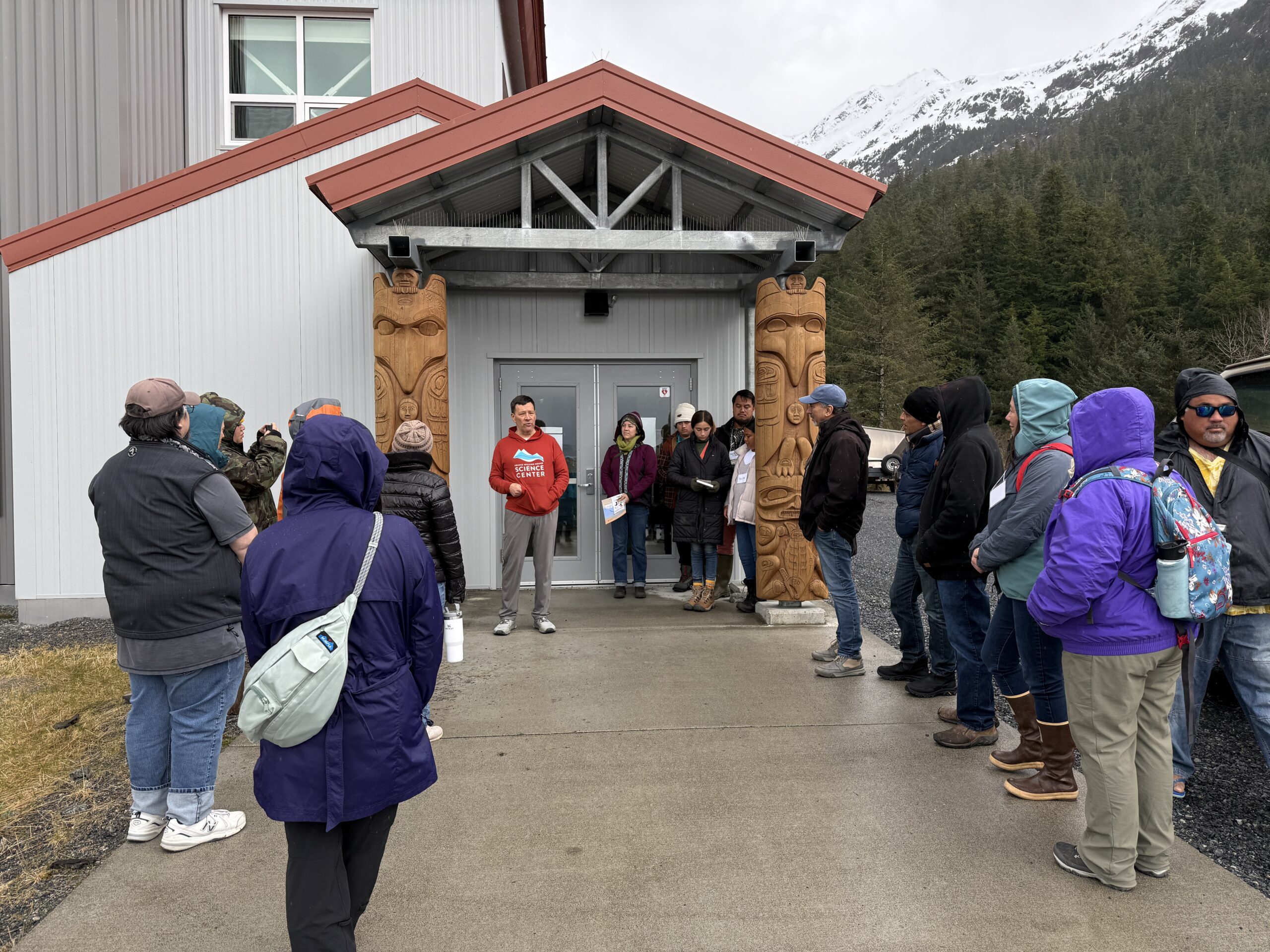
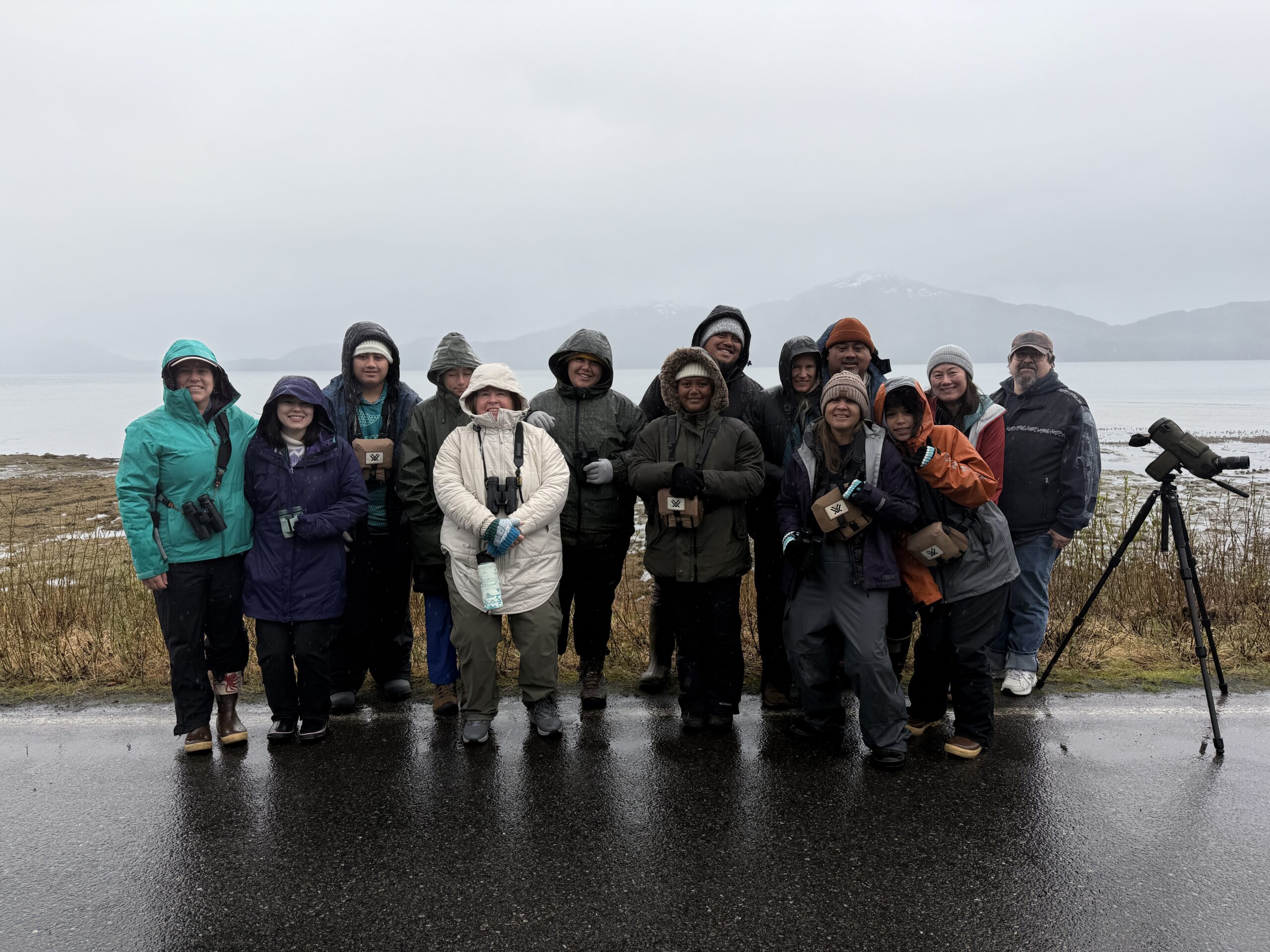
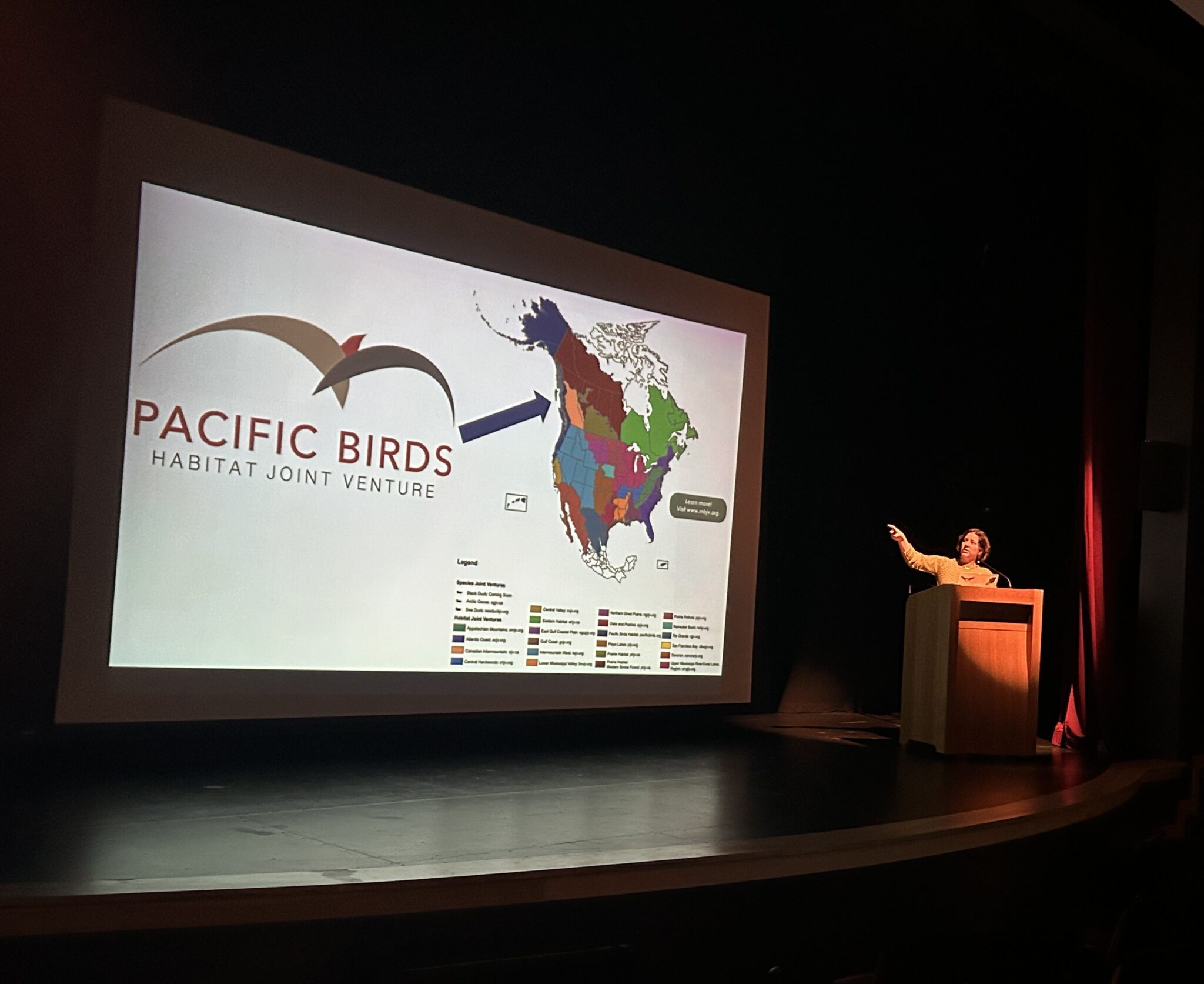
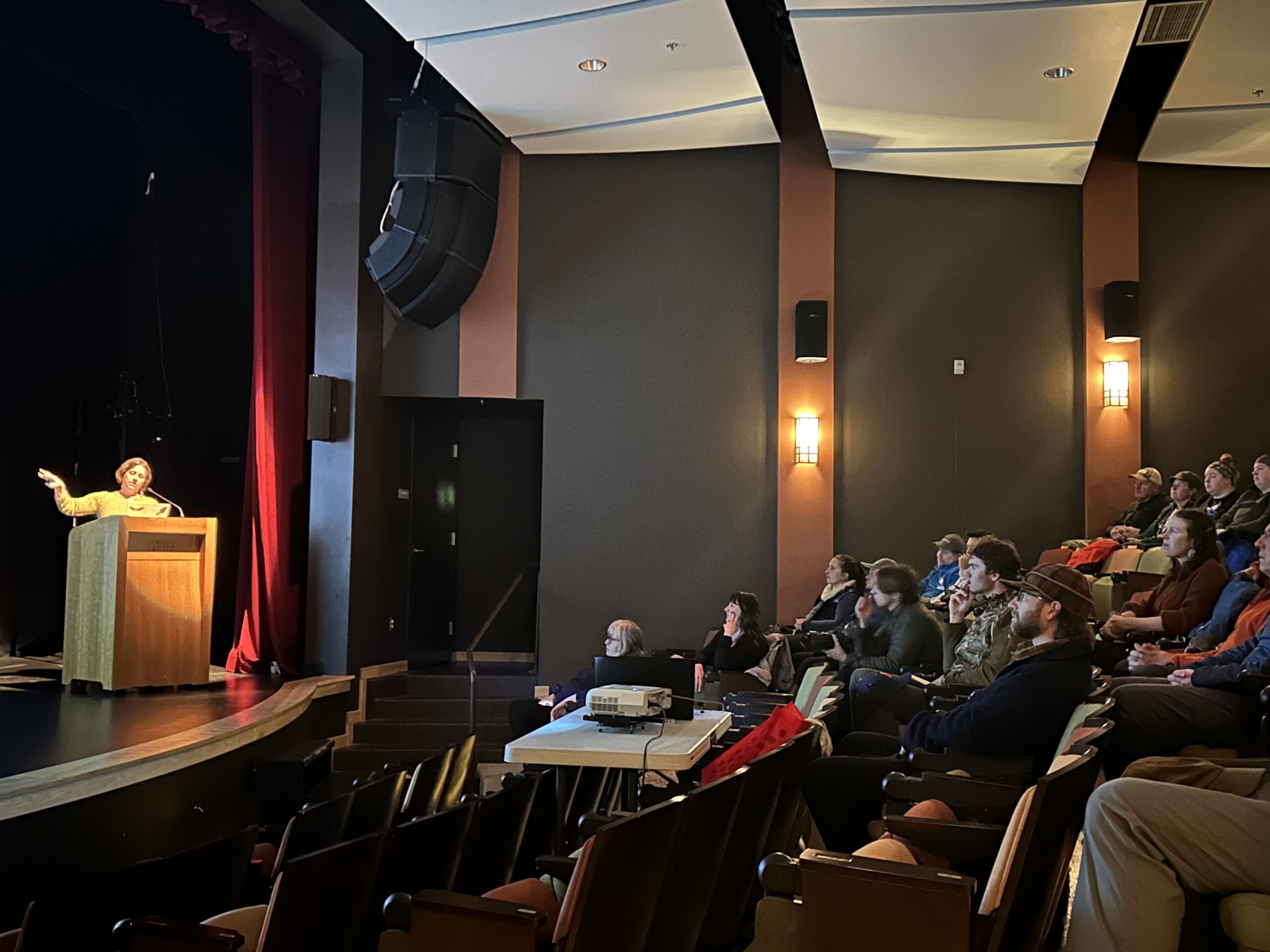
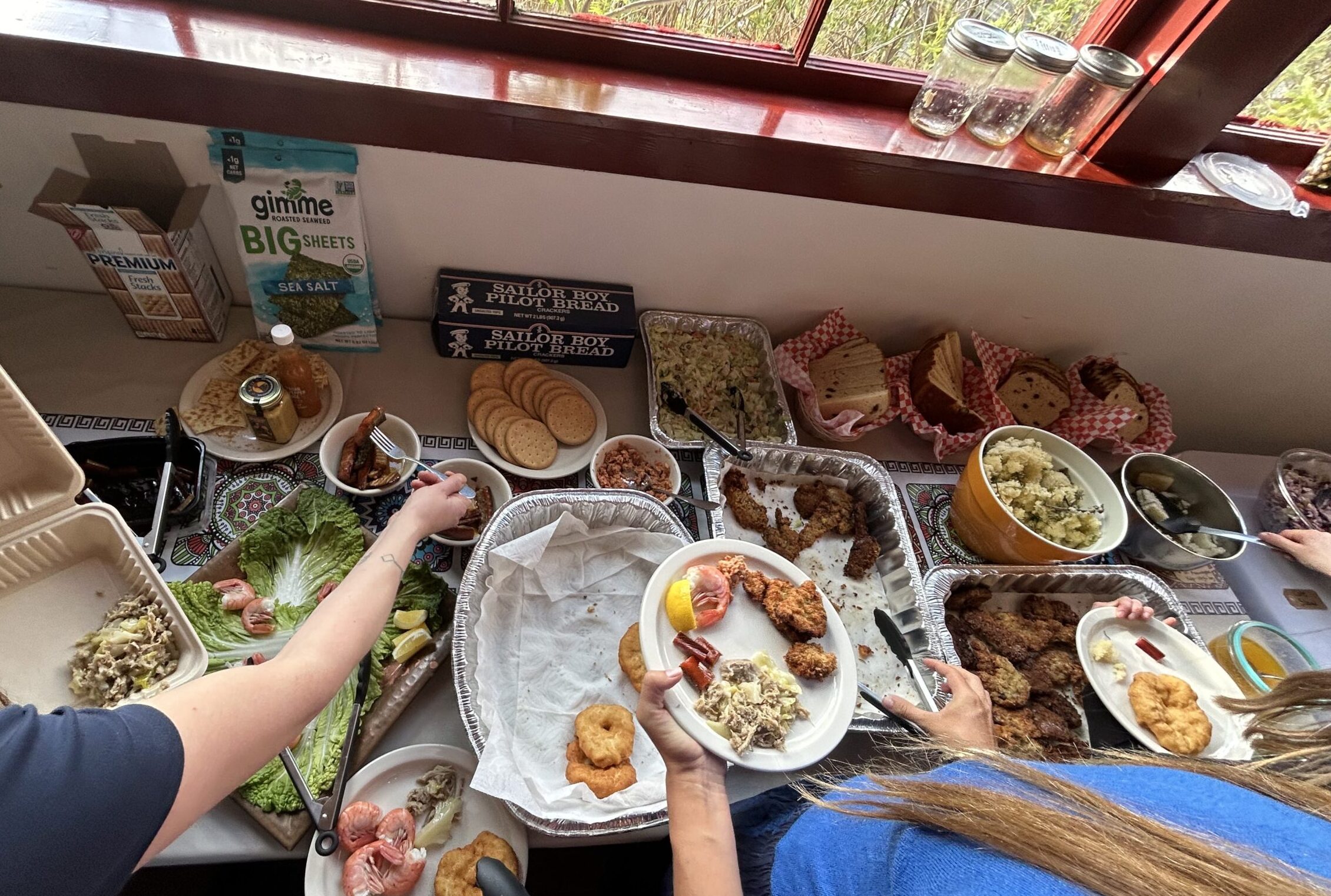
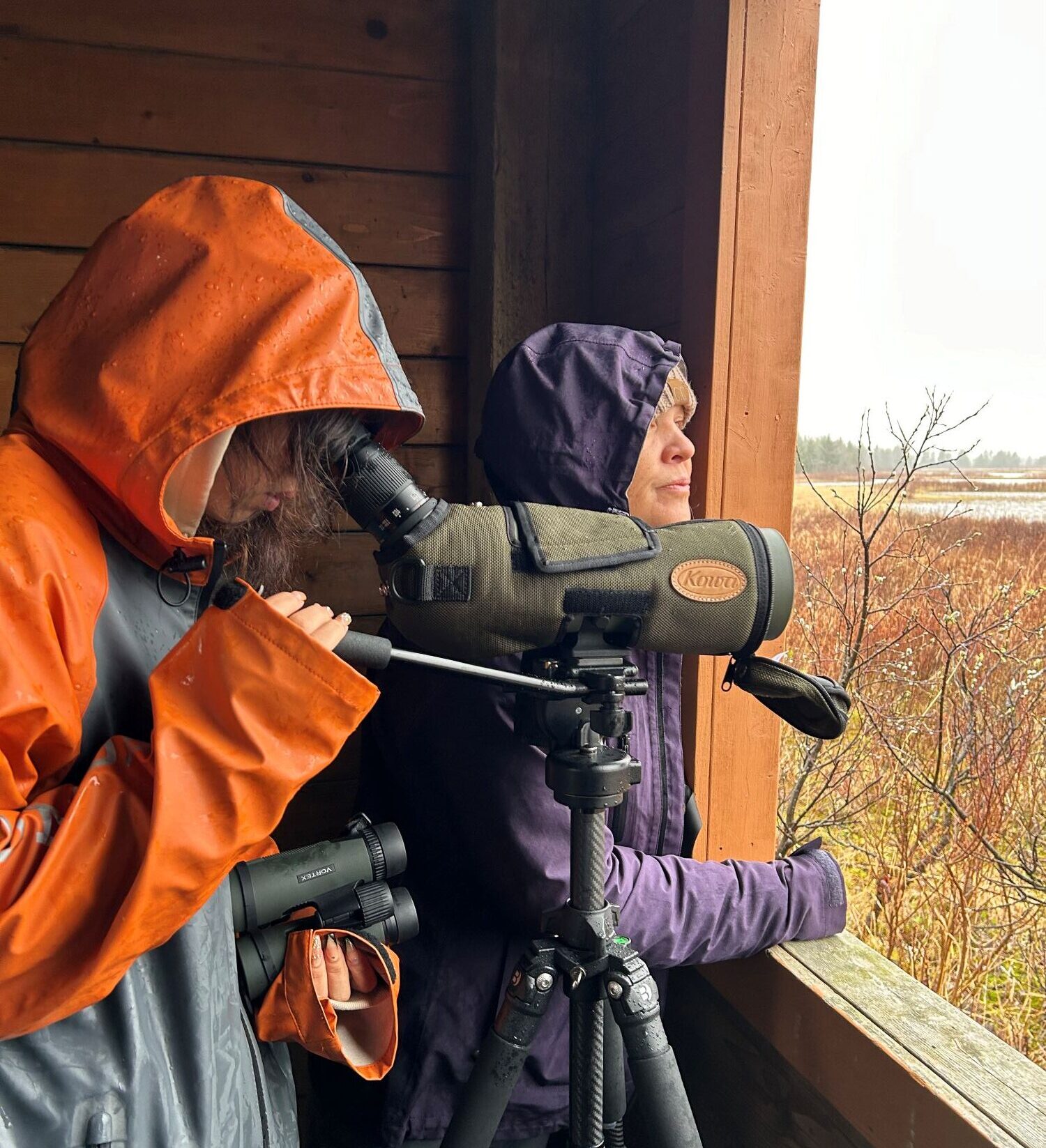
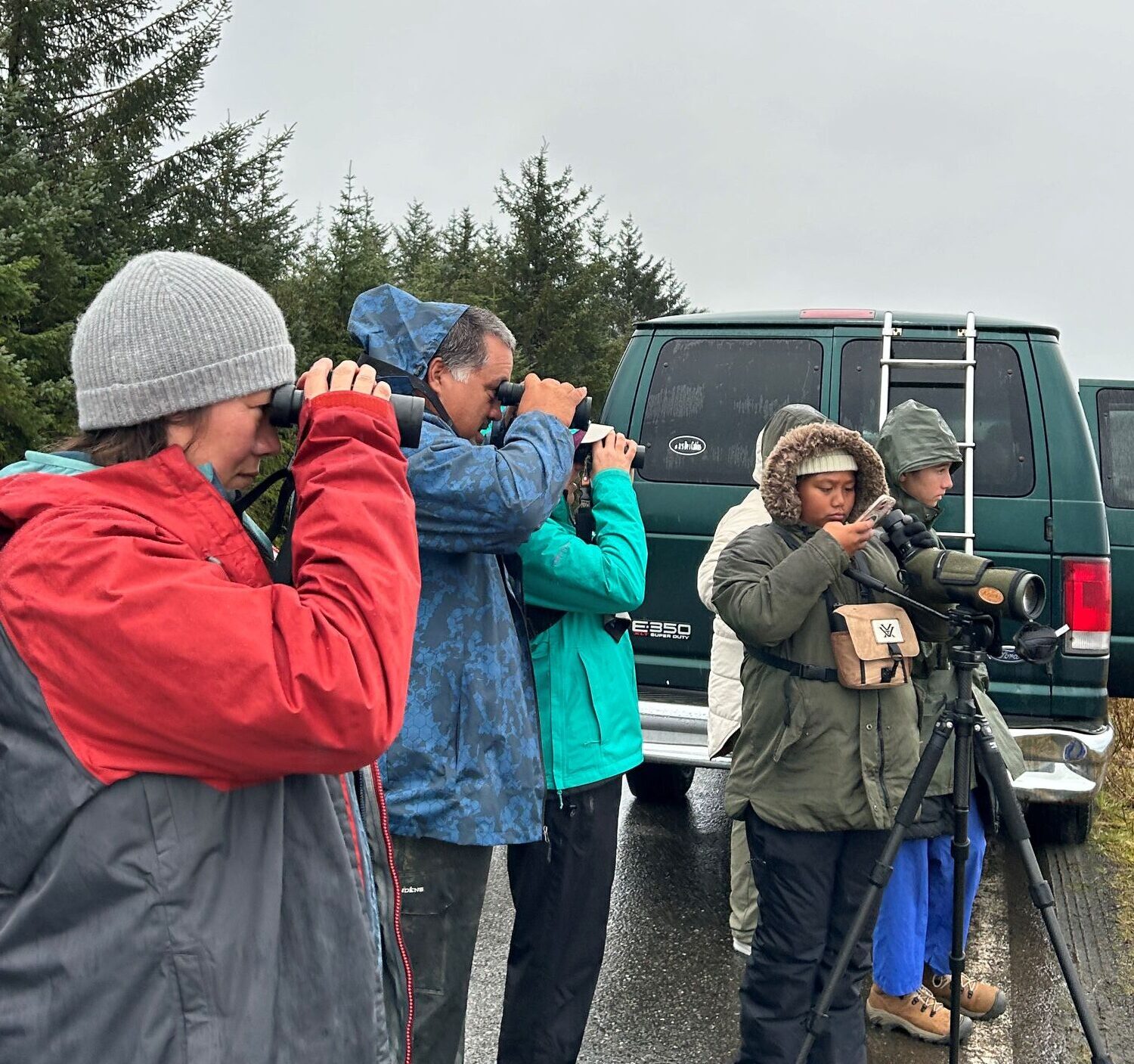
The exchange was centered on storytelling and dance, field trips to the Copper River Delta, opportunities to learn from Eyak Tribal Elders and community members, and observations of wildlife around Cordova.
A key link for the communities and a focus of the trip was the migratory bird species shared between Alaska and Molokaʻi, and the hope of seeing a Kōlea, or Pacific Golden-Plover. Kōlea migrate thousands of miles across the Pacific Ocean each year, connecting people and lands. Another intriguing link between Alaska and Molokaʻi, for example, is that the totem poles outside the Prince William Sound Science Center are carved out of a Sitka Spruce from the same forest of the tree that was used by the Polynesian Voyaging Society to build the Hawaiian voyaging canoe Hawaiʻiloa, sister to the famed canoe Hōkūleʻa.
Enjoy this short video to see how a cold and rainy trip to an estuary in Cordova turned into an unforgettable day for everyone.
Everyone left the experience inspired by new knowledge about migratory birds, a sense of community spanning the Pacific Ocean, hope for future generations, and more. The students even prepared short Hawaiian proverbs reflecting upon their experience. One thing we all took away is that we are indeed connected by the winged fliers that rely on habitats across the Pacific.
He lolo hoʻomanaʻo ko ke kōlea.
The kōlea (Pacific-Golden Plover) has a brain that remembers.
When birding in Cordova, Alaska, the kōlea didnʻt come to us to reveal themselves. It wasnʻt until we chanted "Ia Waʻa Nui" did three kōlea come towards us to show themselves.
- Written and explained in Hawaiian by Hiʻikapu Lima, a youth from Molokaʻi, and translated by Nāhulu Maioho
We can’t wait to share more and see how these new partnerships take flight.
To learn more about Pacific Birds’ work on Hawaiʻi’s endemic and migratory birds, read our Strategic Plan for Hawaiʻi Wetlands, which outlines our approach to conservation and partnership priorities in Hawaiʻi, with a strong focus on restoration, resilience, and Indigenous agroecology. To learn more about Pacific Birds' work in the Pacific Northwest and Alaska, check out the Coastal Wetlands Strategic Plan.
This work was funded through the Pacific Islands Climate Adaptation Science Center.