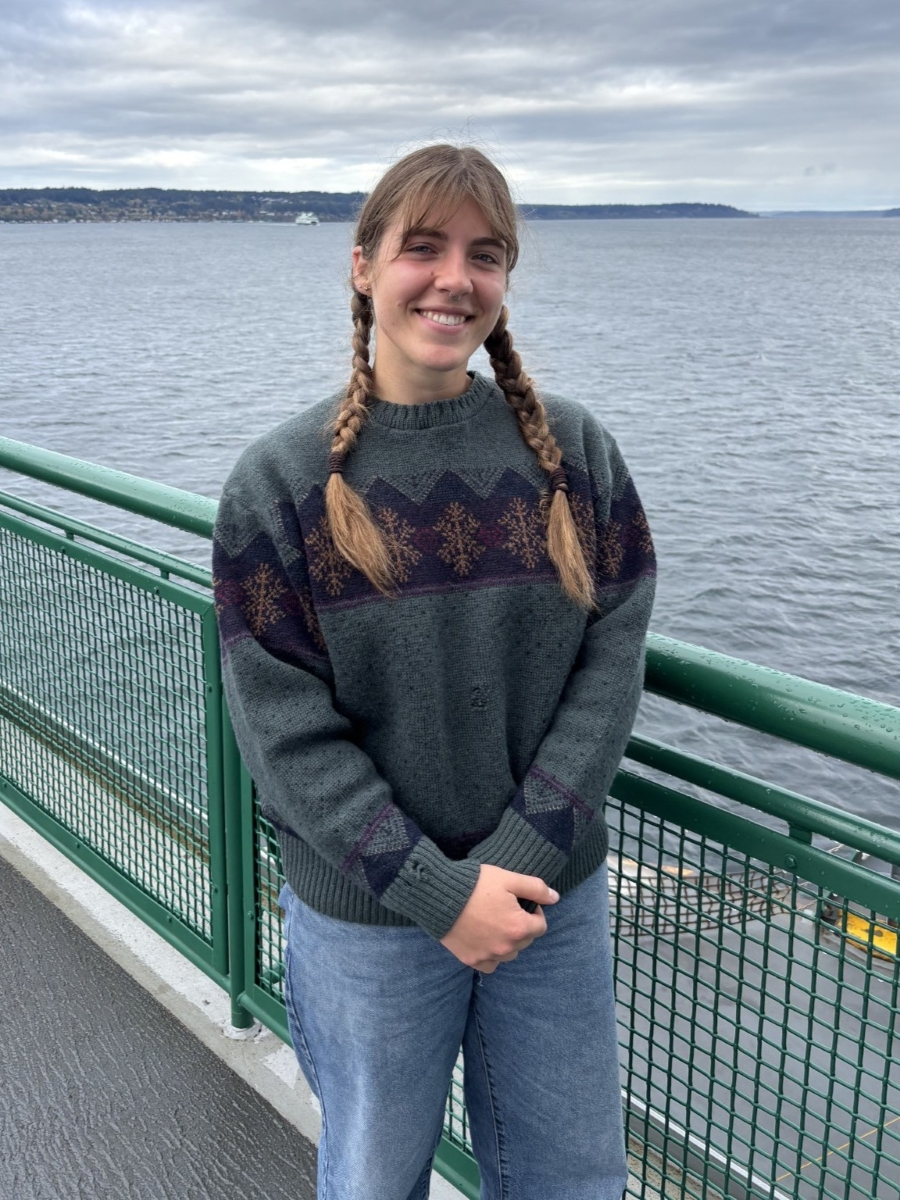
Meet Emily Southwell, a recent graduate from Oregon State University who is now working with the Natural Resources Conservation Service (NRCS) at the Eugene Service Center. This position is a collaboration between Pacific Birds, NRCS, and Pheasants Forever. Emily is filling much-needed capacity gaps and accelerating on-the-ground conservation of oak and prairie habitat across Lane County, Oregon.
Emily has always loved being outside in nature. Beginning in childhood, her family spent many school vacations and weekends camping, hiking, and backpacking. As a Girl Scout, she learned about Leave No Trace principles and the importance of land stewardship. These activities sparked a passion for conservation, and a desire to help address the planet’s urgent environmental needs. She eventually studied Botany at Oregon State University with a concentration in Ecology, Evolution, and Conservation.
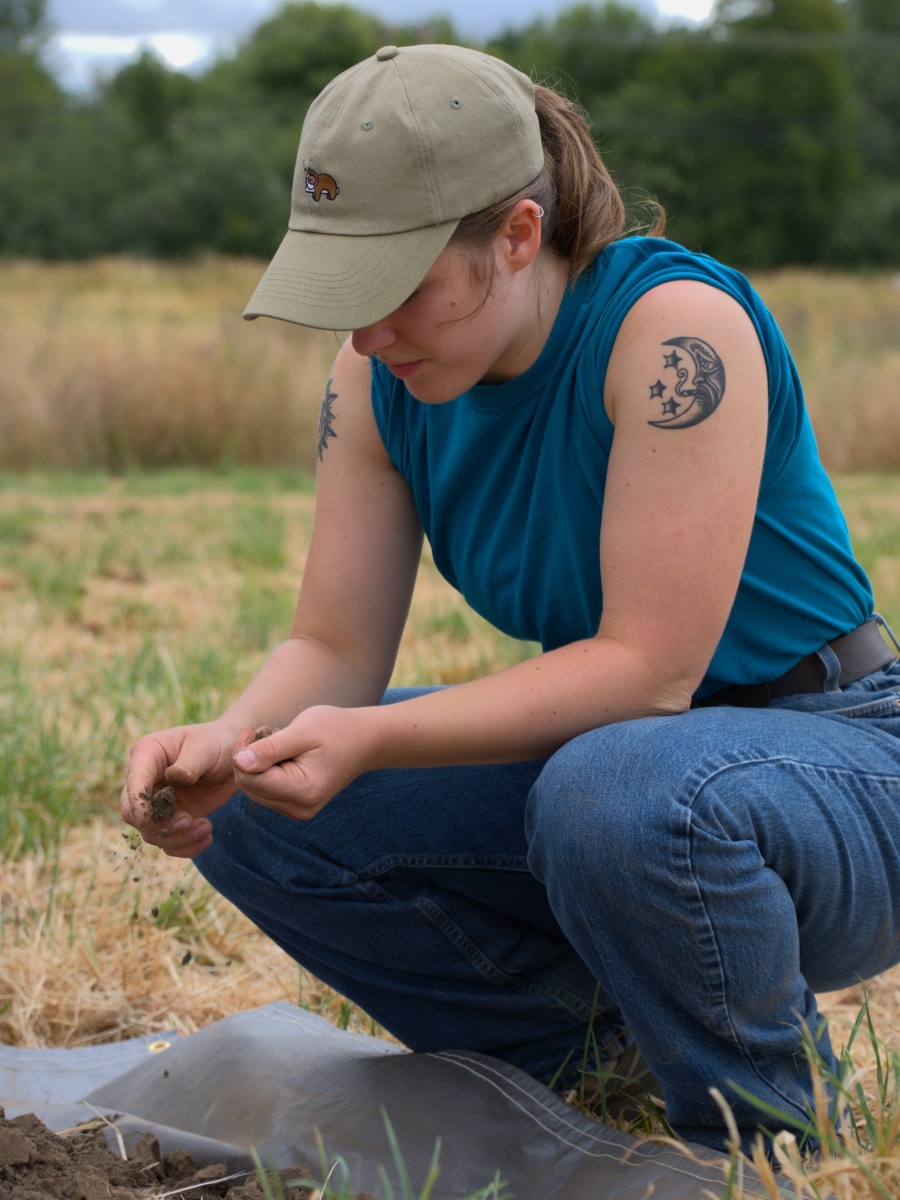
Emily was initially exposed to the NRCS through a college internship at the NRCS Tangent Service Center. She felt that she was making a real difference by supporting conservation on private lands. After graduating from Oregon State in 2025, her former supervisor forwarded her the hiring announcement for her current position. She applied and began the role in late 2025.
As the Pheasants Forever Coordinating Wildlife Biologist at the NRCS Eugene Service Center, Emily does similar work to a soil conservationist. She largely uses the Environmental Quality Incentives Program (EQIP) to develop forest management plans for private landowners. This voluntary cost-share and technical assistance program helps farmers maintain or even improve their production while also protecting natural resources. Emily works with landowners to identify resource concerns (ex. soil erosion, overcrowded woodlands with dying trees, or cows pooping in creeks), and suggest practices to address them (ex. cover cropping, forest thinning, or fencing off creeks). After landowners complete the contracted work, NRCS will partially reimburse them for the costs.
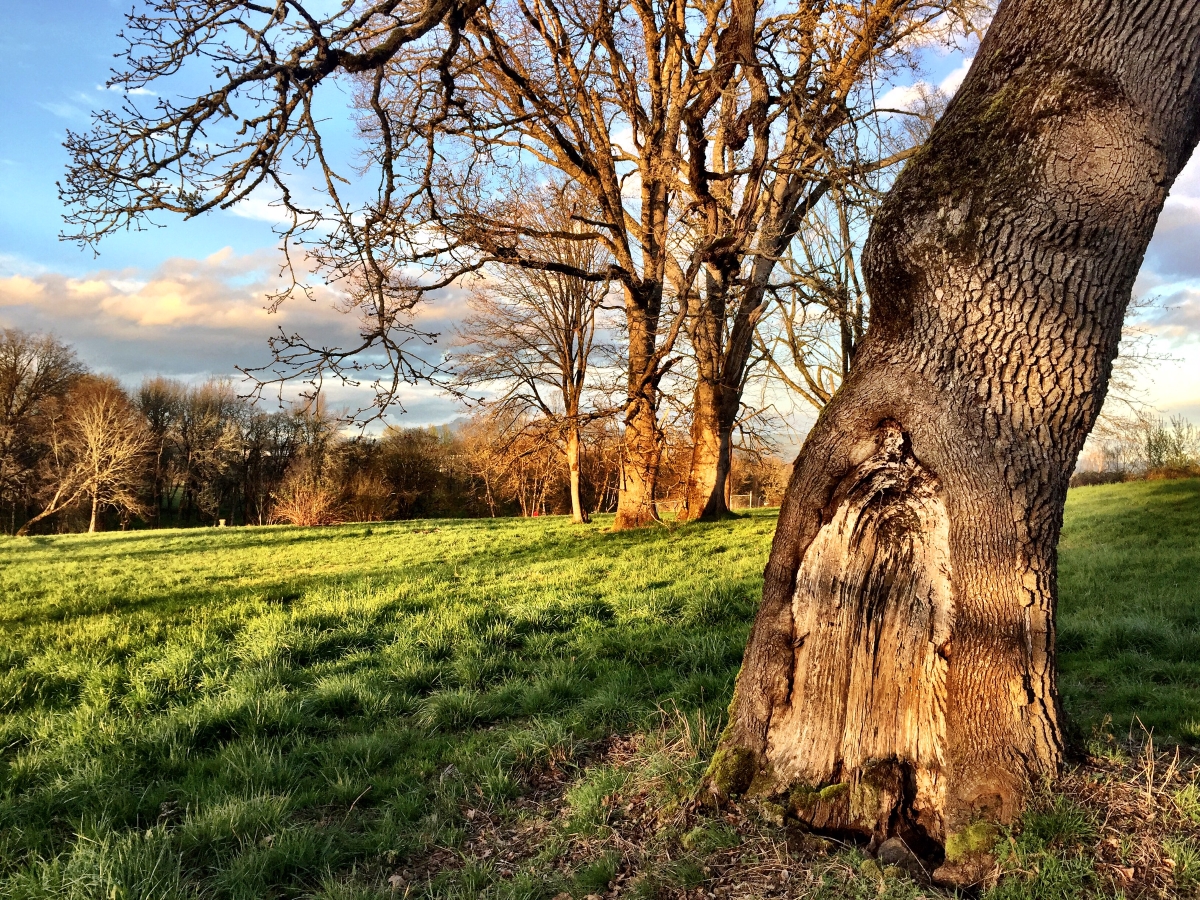
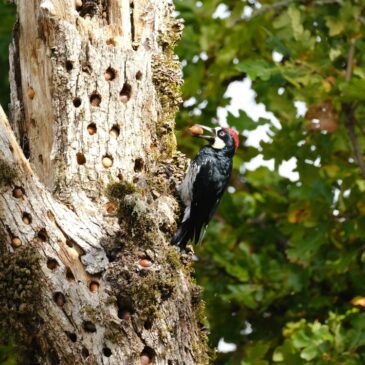
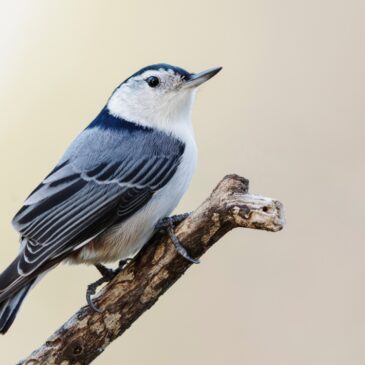
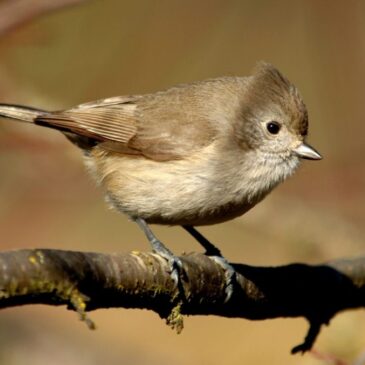
Emily says that the EQIP program has been very beneficial for oak restoration and conservation. Most of the remaining oak habitat in the Pacific Northwest exists on private lands, giving small landowners a critical role in conserving them. The EQIP program demonstrates that agricultural production, forest management, and environmental quality are mutually compatible goals. Oak trees provide biologically rich habitat for hundreds species, including cavity-nesting birds like acorn woodpeckers (Melanerpes formicivorus) and white-breasted nuthatches (Sitta carolinenses aculeata). In turn, oak habitat supports working lands by enhancing soil health and water retention and by providing diverse forage.

Emily says her position has provided excellent training and experience for future conservation roles. She is excited to have a foot in the door with the federal government, as she would love to be an NRCS Soil Conservationist in the future. But even if she does not end up working for the NRCS or Pheasants Forever permanently, she definitely wants to stay in conservation long-term.