Wildfires in British Columbia are increasing in severity, intensity and extent due to climate change. Understanding how these novel fire conditions might impact individual bird species is key for informing conservation efforts.
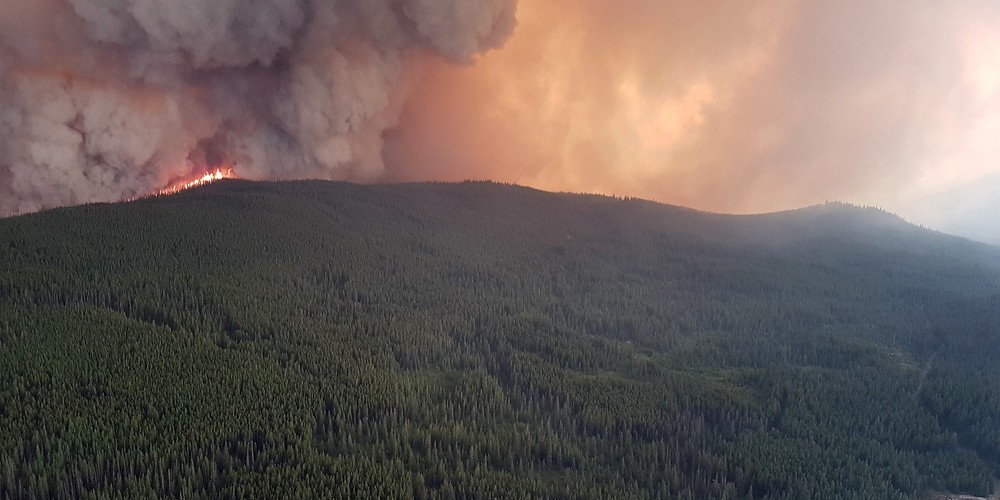
Wildfires have complex effects on bird populations, because how birds respond to fire is linked to specific life-history and functional traits. For example, fire can either reduce or increase habitat suitability, depending on the habitat preferences for individual bird species.
This study used a trait-based approach to make associations between bird species and their sensitivity to wildfire. This framework provides a practical starting point for land managers to support resilient ecosystems and targeted species protection under a shifting climate.

Report Summary
Research Methods
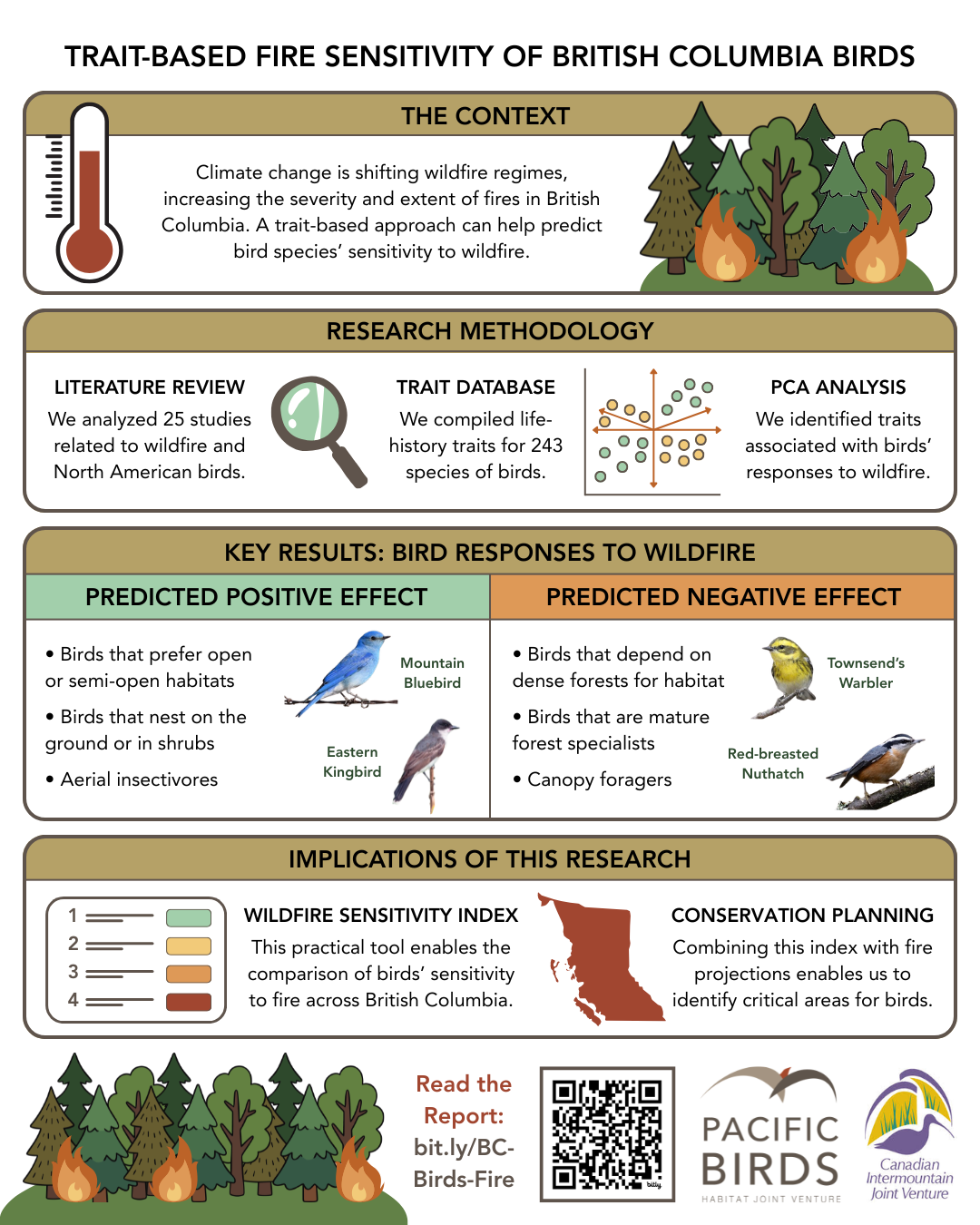
This research began with a review of 25 studies on how North American birds respond to wildfire, extracting all species-specific information and separating the results by time since the fire occurred. This data was combined with information from global databases about bird characteristics, including habitat preference, nesting behavior, and foraging methods.
The study then used statistical tests to identify relationships between these traits and how birds respond to wildfire. Finally, this analysis was used to build a trait-based Wildfire Sensitivity Index for 243 British Columbia bird species.
Key Takeaways
The study found that 77 bird species responded positively to wildfire, 57 responded negatively, and 84 showed neutral effects. These patterns were generally consistent across immediate and short-term post-fire periods, with only minor differences.
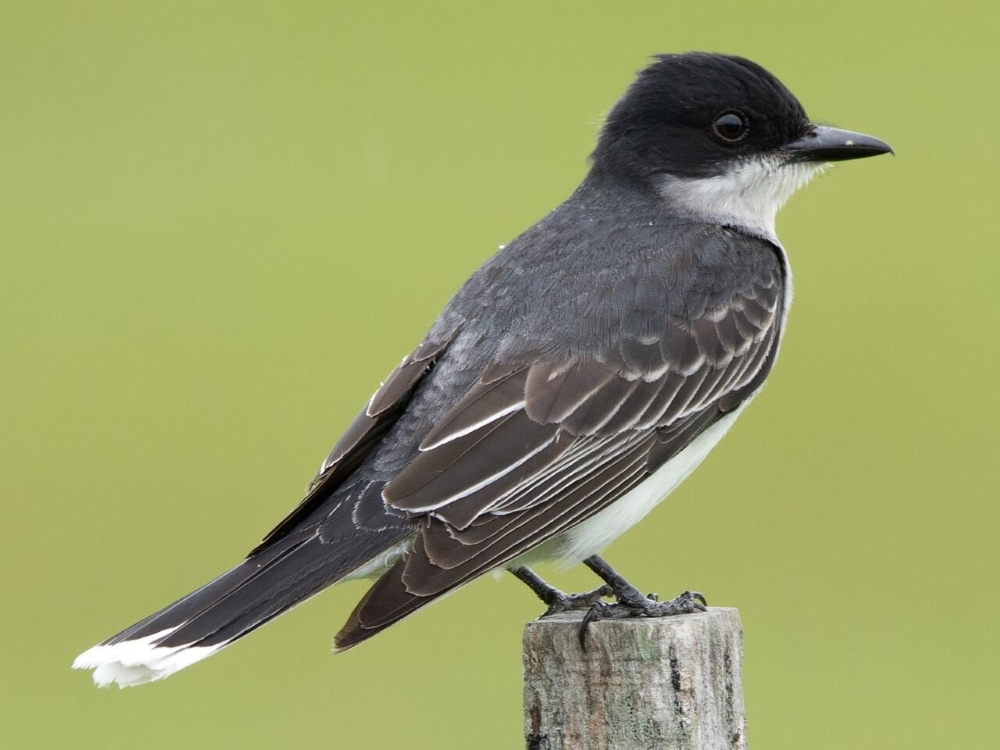
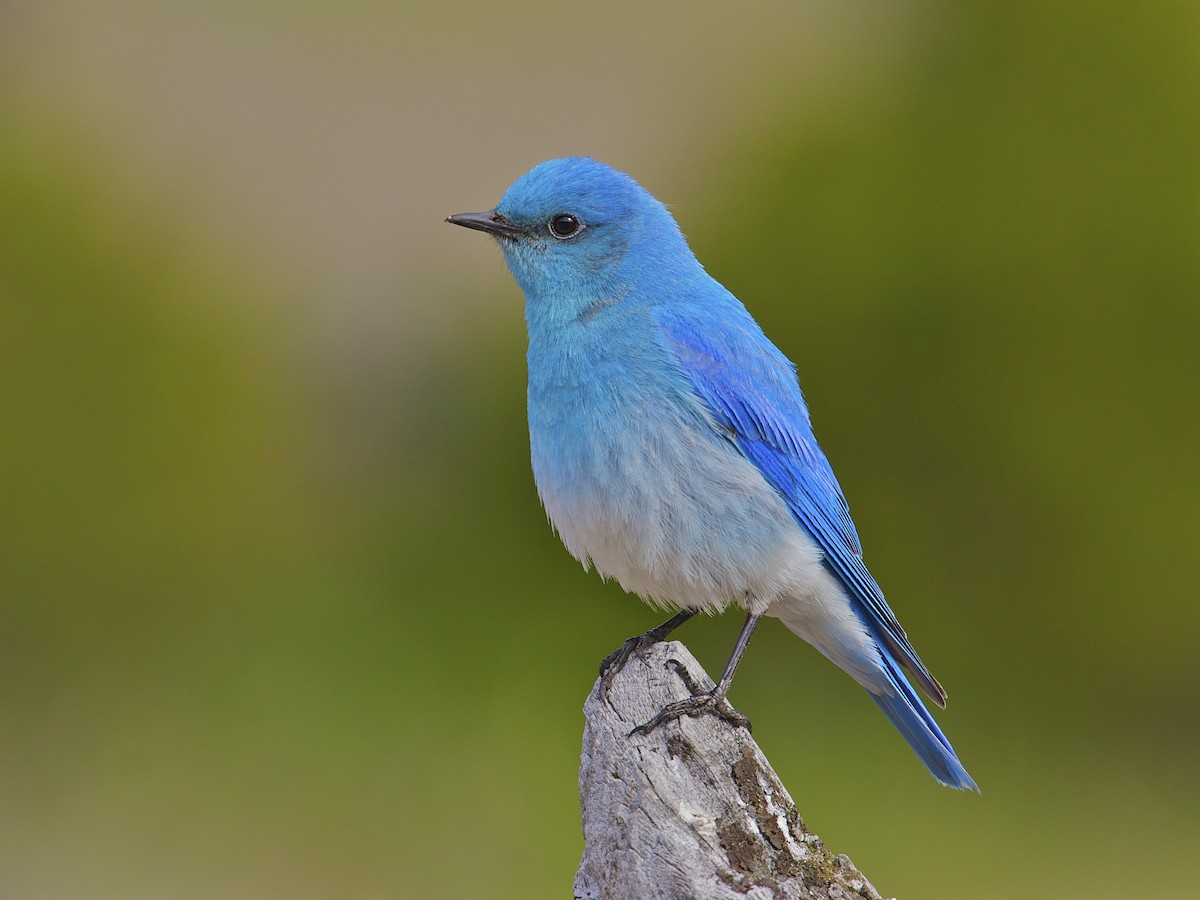
Overall, this research found that bird species that forage in high forest canopies and require dense, mature forests are most likely to be negatively impacted by wildfire. Conversely, ground nesters, aerial insectivores, and species preferring open or semi-open habitats tend to respond positively to post-fire environments.
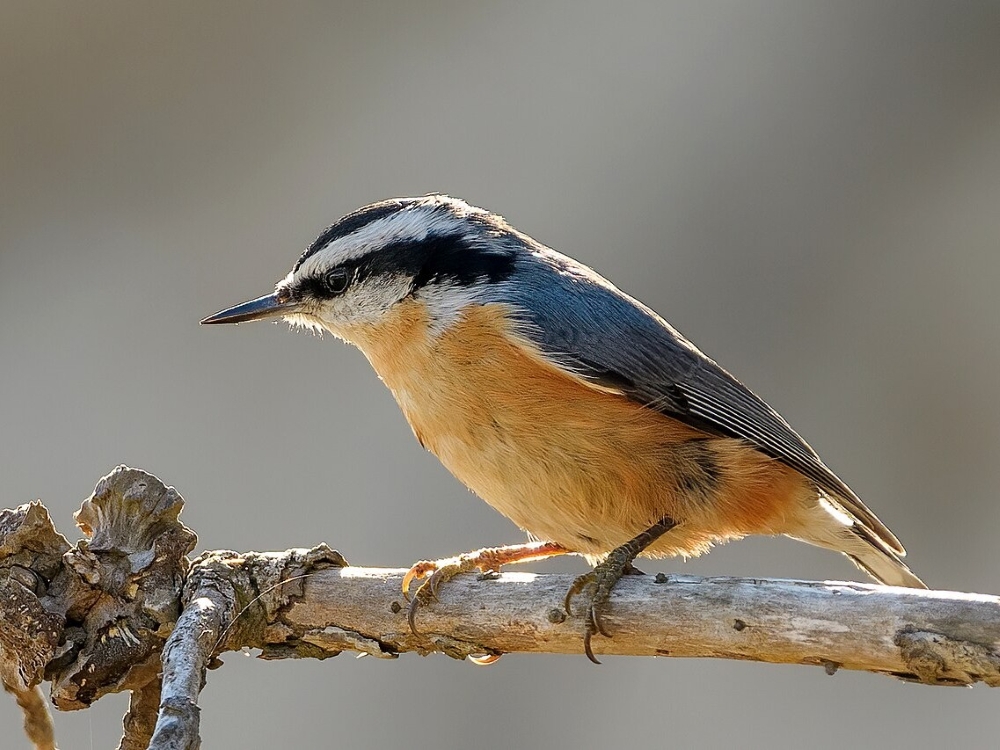
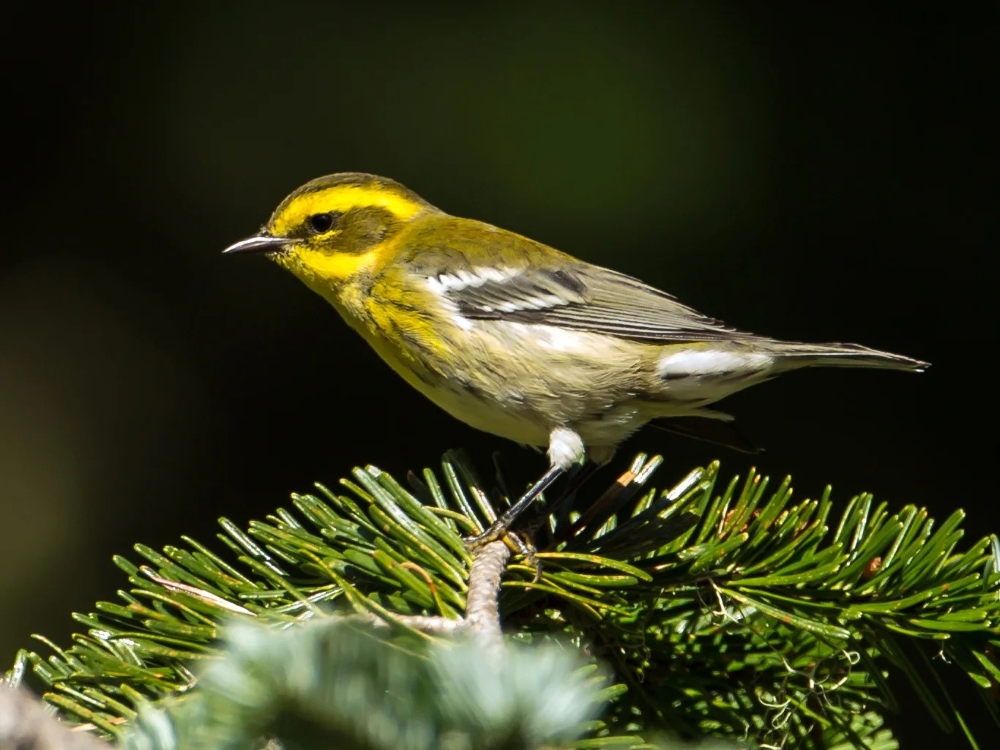
By pairing the Wildfire Sensitivity Index with future wildfire and climate projections, we can identify high-risk regions where conservation and habitat restoration efforts should be prioritized. Applications include:
- Informing species-specific conservation strategies
- Identifying management areas that can act as fire refugia
- Evaluating ecological outcomes of controlled burns and fuel reduction efforts
- Incorporation into wildfire response and recovery operations
About the Author
This report was prepared by Jenna Loesberg, a BRITE (Biodiversity Research: Integrative Training and Education) Intern at the University of British Columbia. Her research was funded by Pacific Birds, Canadian Intermountain Joint Venture, Birds Canada, the University of British Columbia, and Environment & Climate Change Canada.
To learn more or request data, please contact the Pacific Birds Science Coordinator for British Columbia, Jenny Muñoz at jmunoz@birdscanada.org.