Pacific Birds partners recently helped to protect 364 hectares of biodiversity-rich wetlands and forests on Vancouver Island.
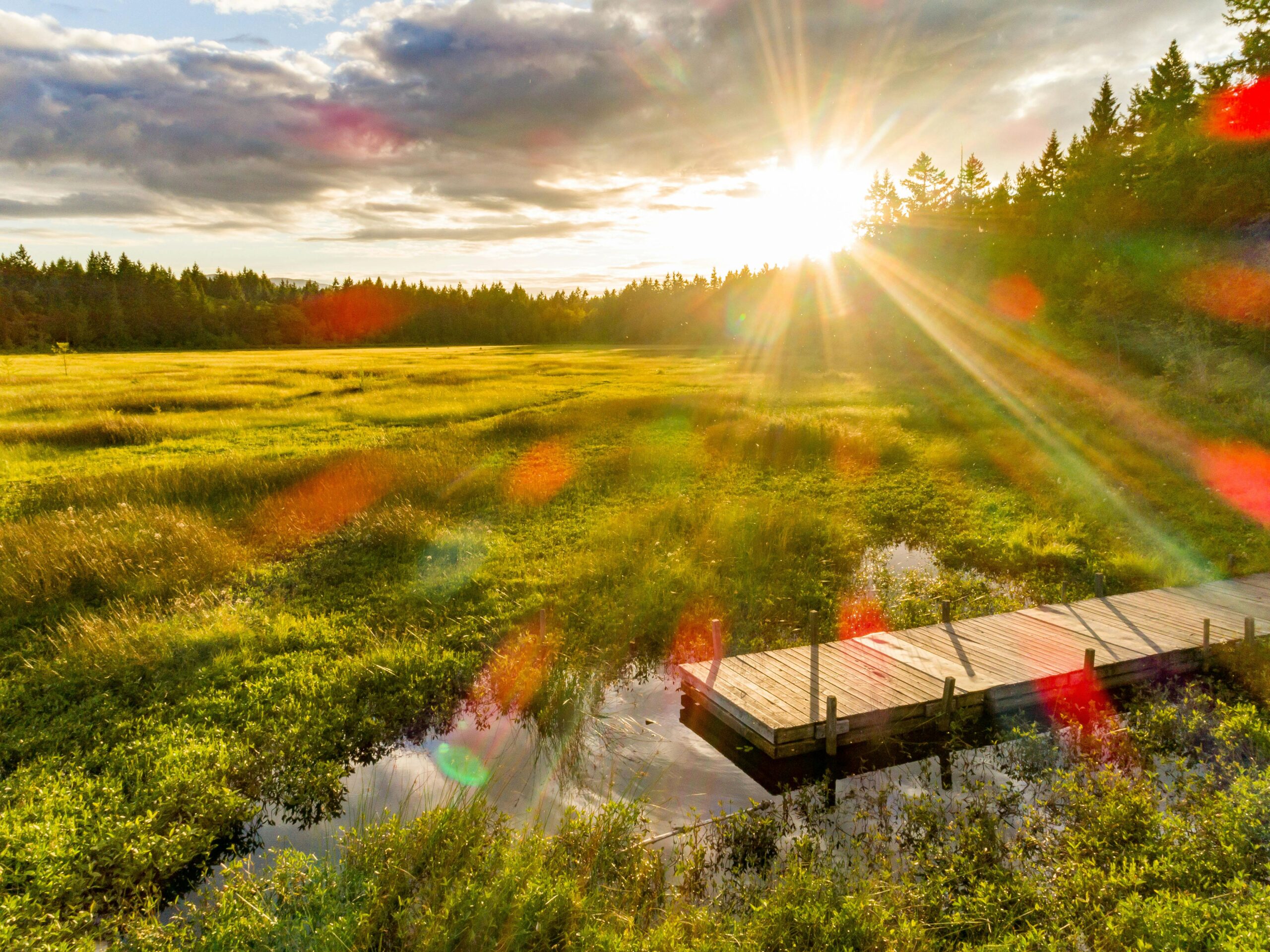
The Regional District of Nanaimo (RDN) finalized its purchase of Hamilton Marsh from Mosaic Forest Management on March 7, 2026. This acquisition has been a priority for local residents, land trusts, and environmental organizations for many years. Now protected in its entirety from logging and development, Hamilton Marsh will continue to provide vital stopover and nesting habitat for migratory birds.
The Ecological Significance of Hamilton Marsh

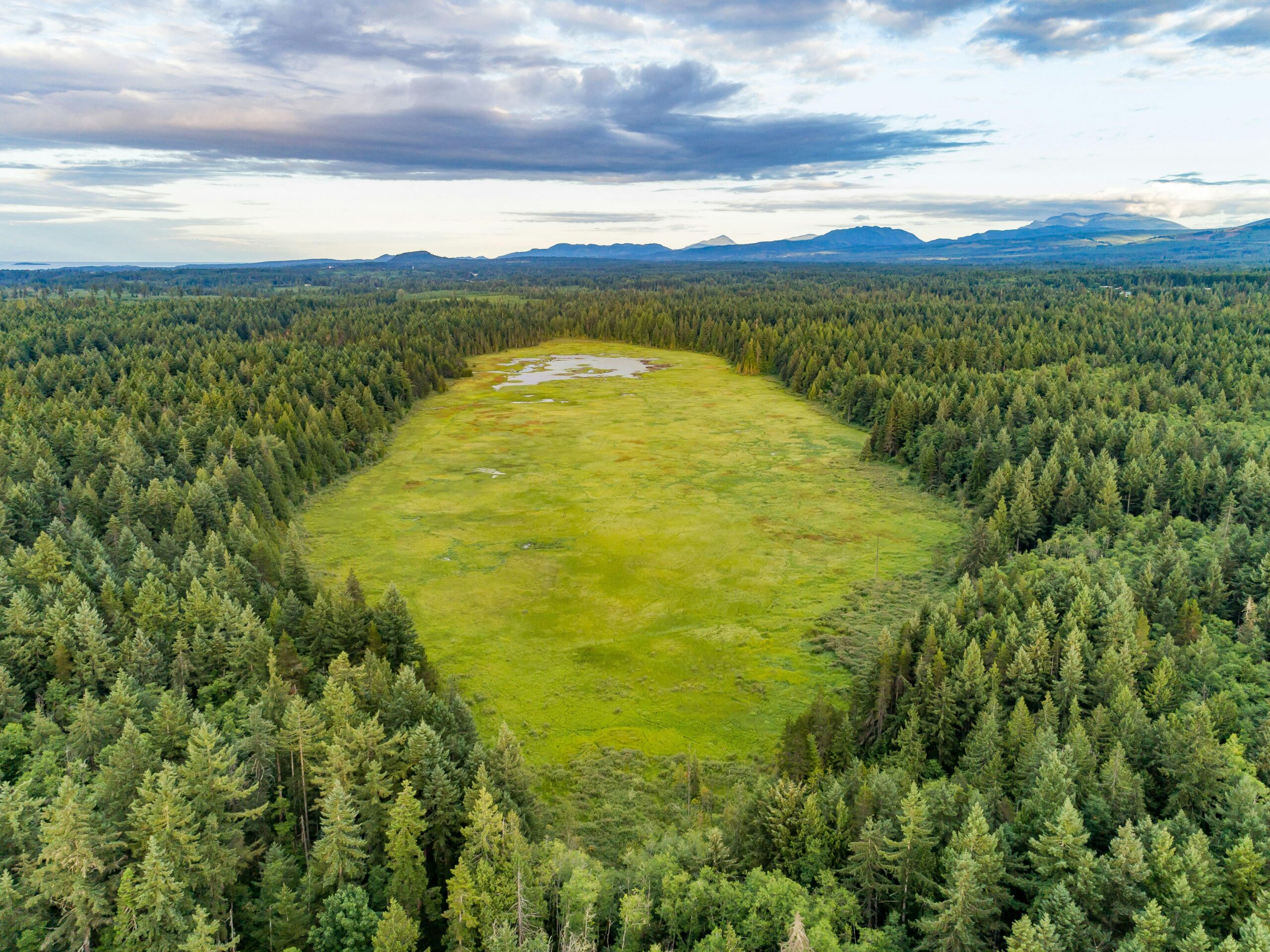
Hamilton Marsh is located within a regionally significant wetland area identified by the Pacific Birds Habitat Joint Venture. It includes 36 hectares of peat-based wetlands and 328 hectares of riparian forests south of Qualicum Beach. This site is ecologically significant due to its importance as a stopover for migratory birds and a prolific waterfowl brood marsh. According to Hamilton Wetlands and Forest Preservation Society, over 120 bird species have been recorded at the marsh. This includes 14 Joint Venture priority species and several red- and blue-listed species (referring to conservation frameworks maintained by British CoIumbia’s Conservation Data Centre to identify at-risk native species deemed regional conservation priorities).
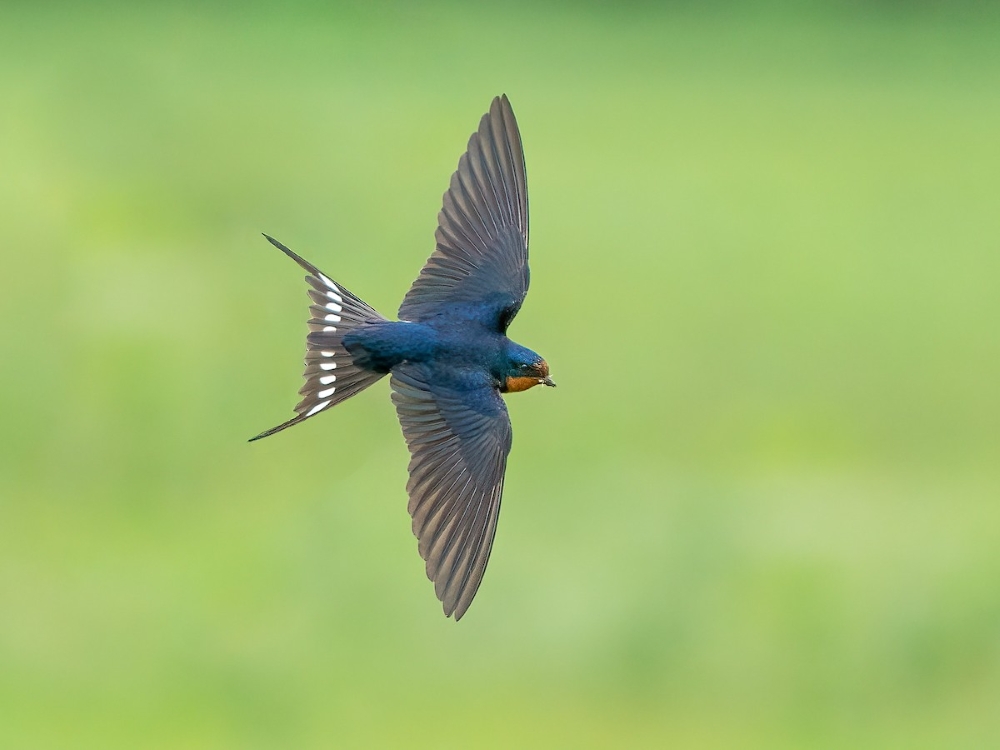
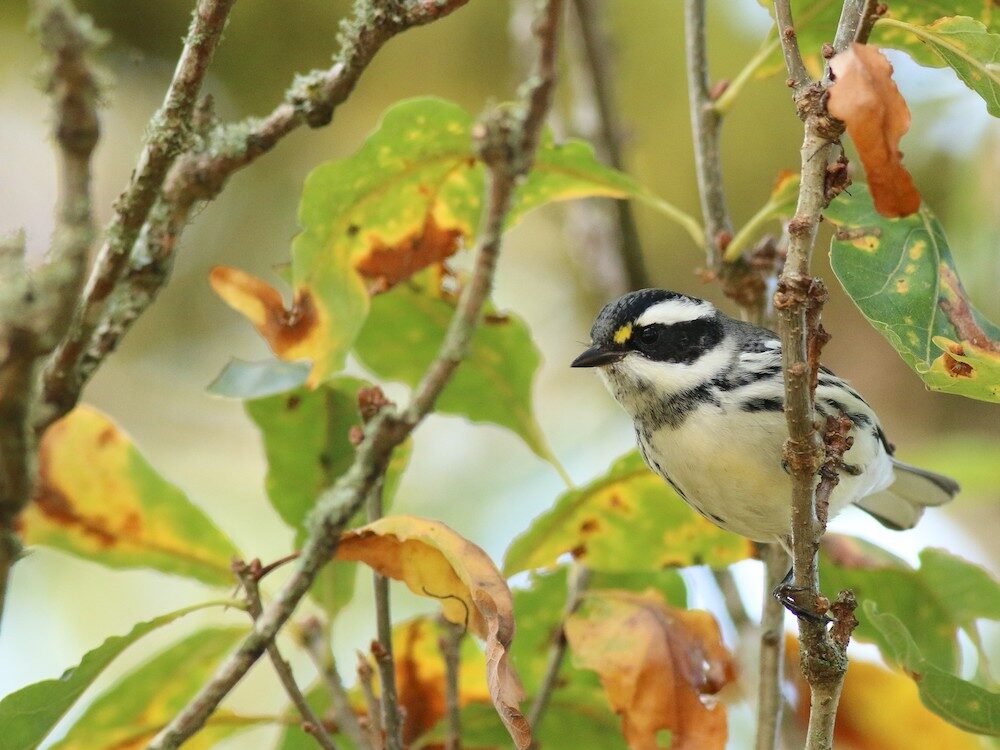
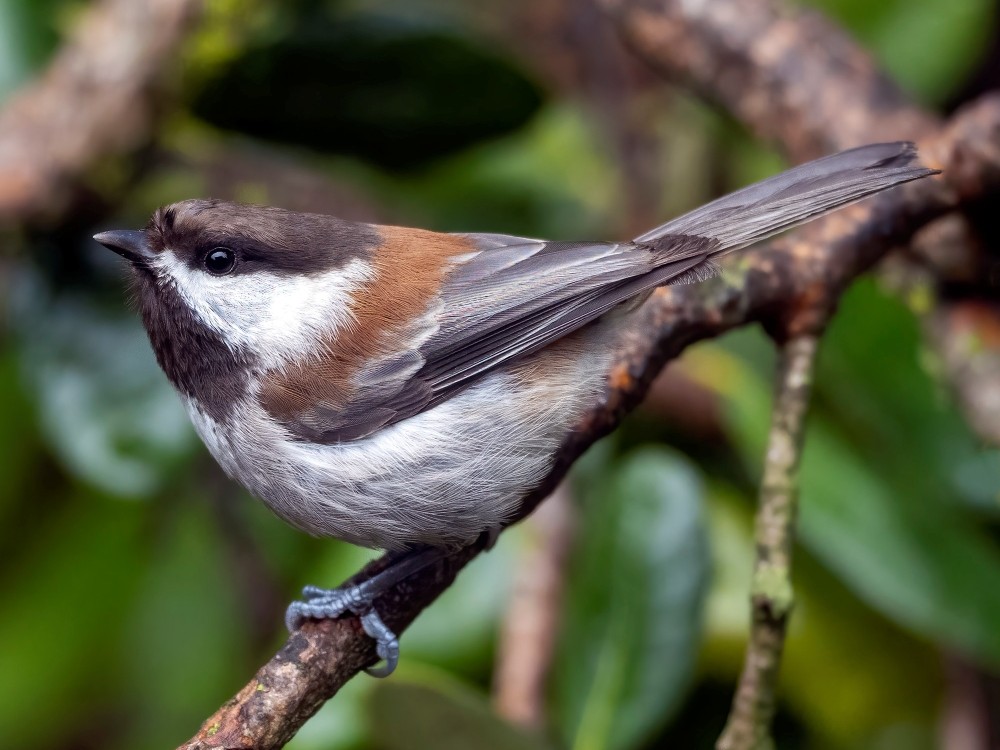
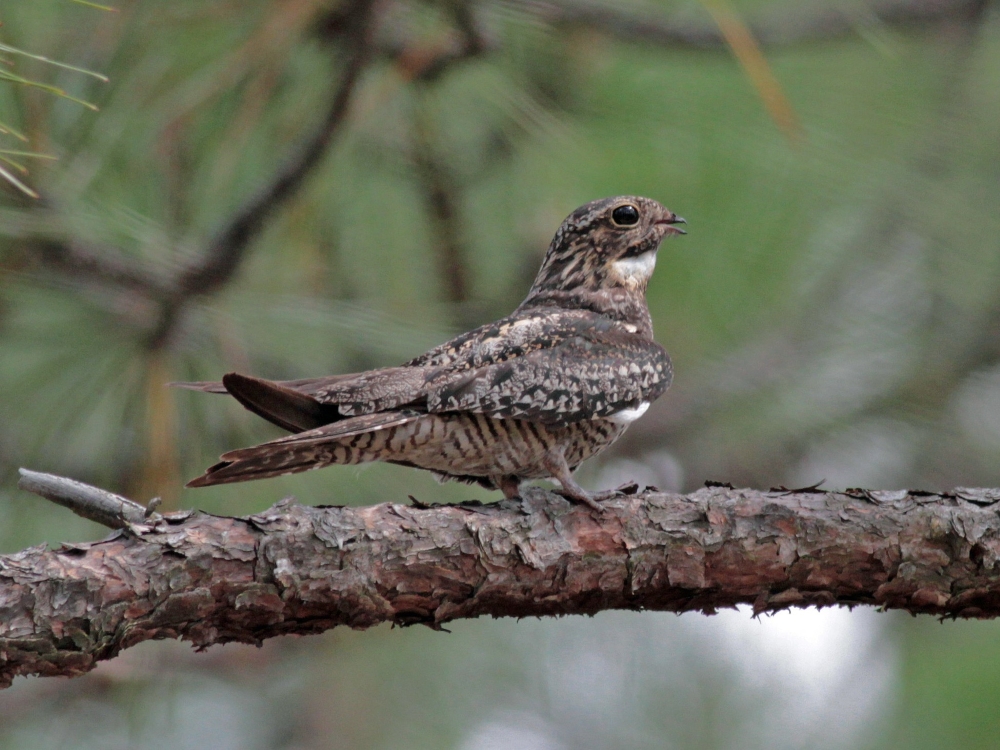
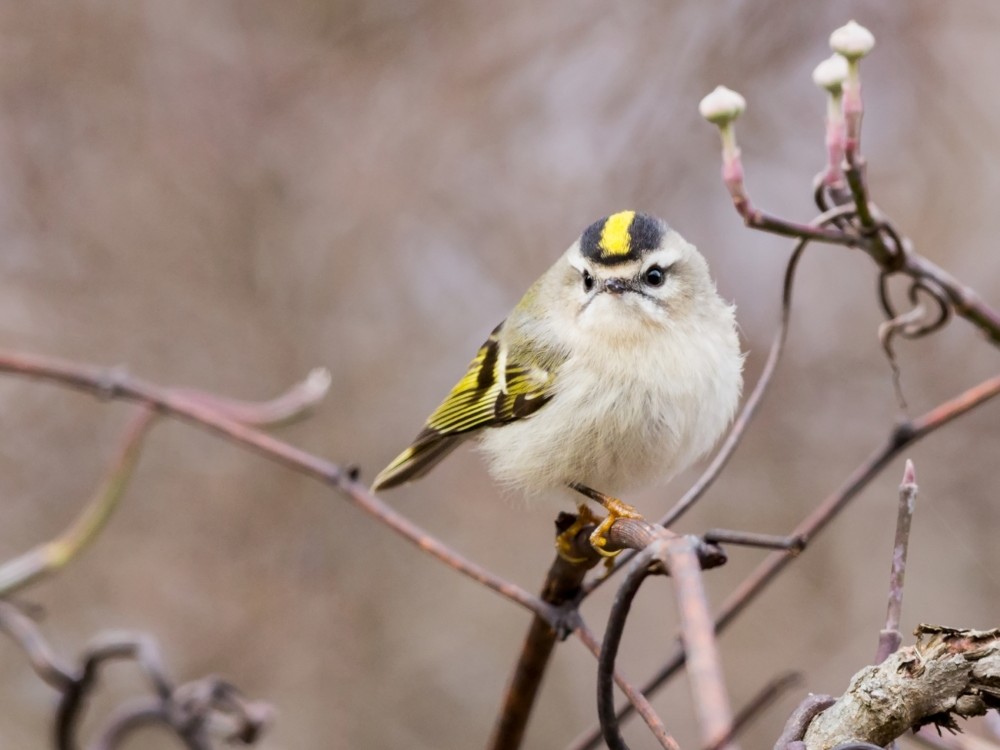
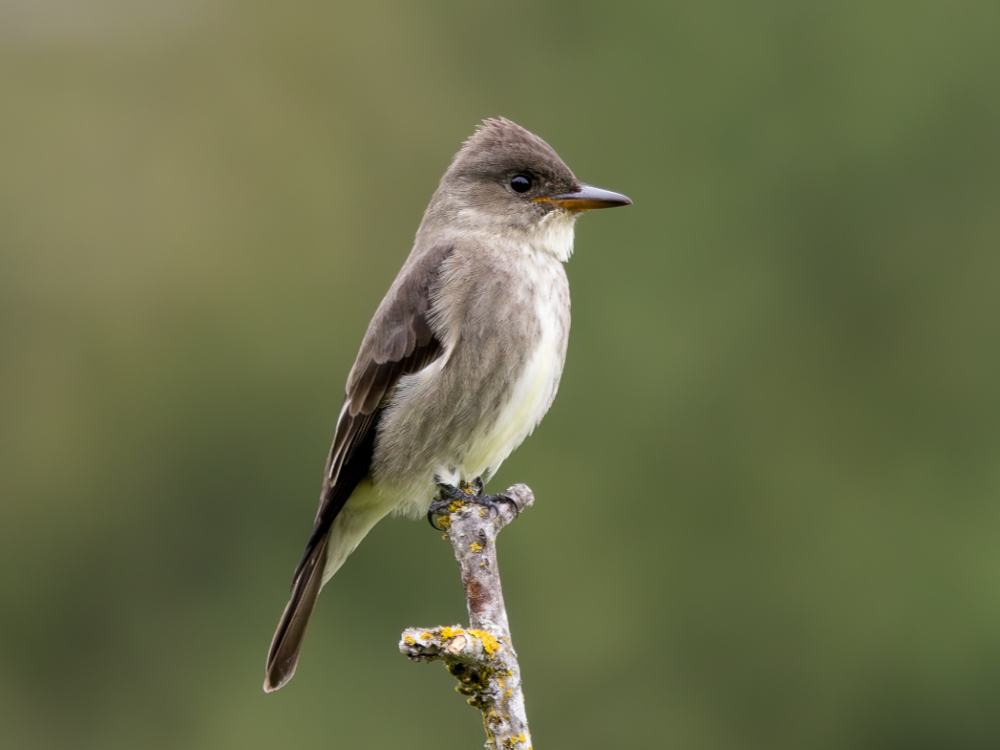
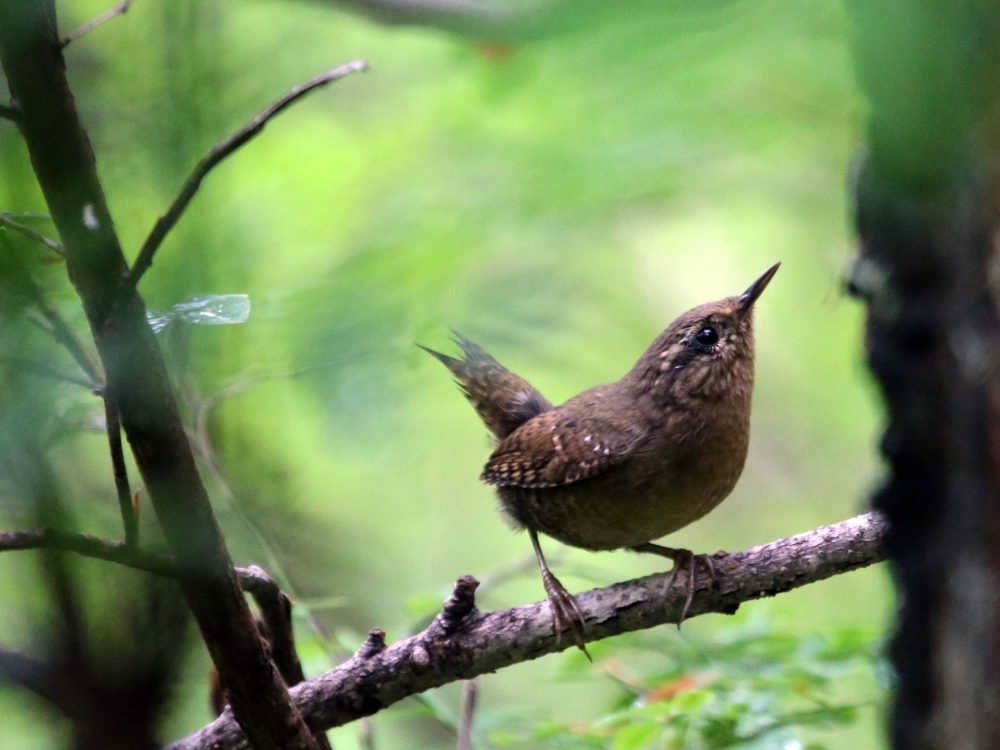
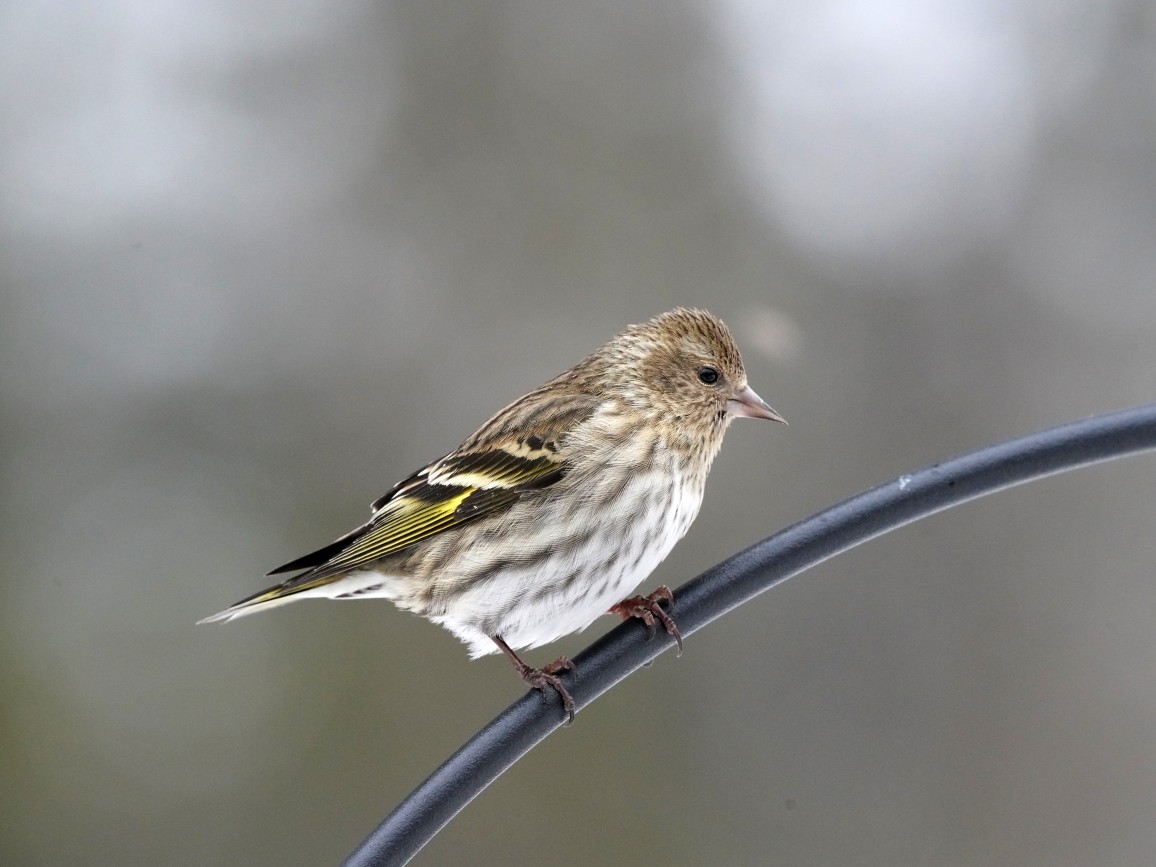
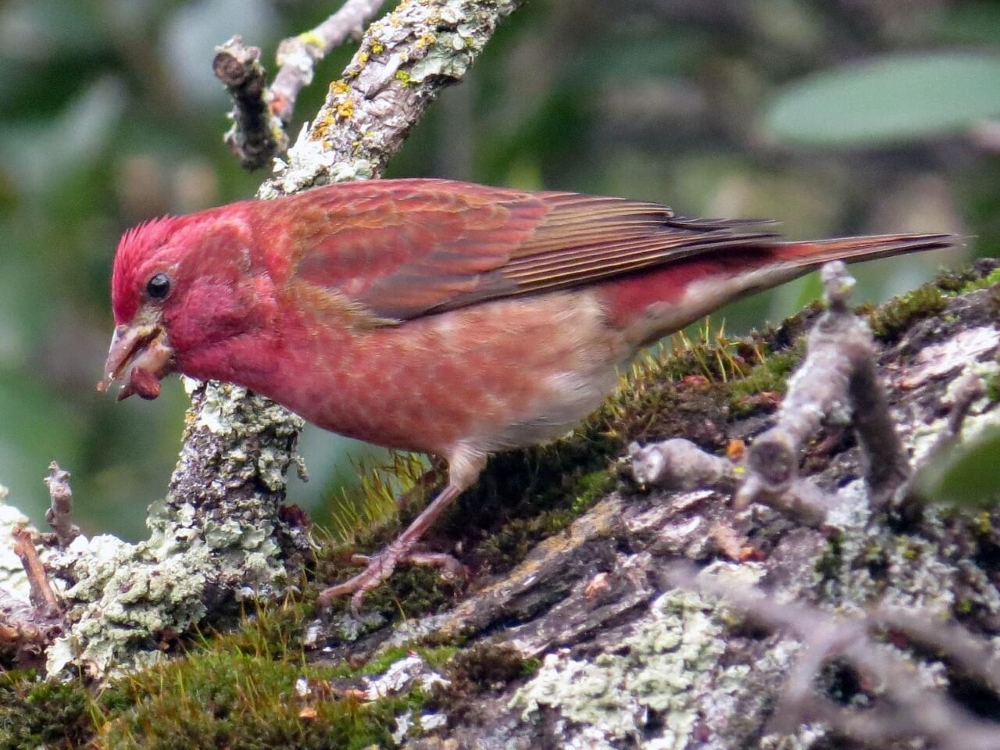
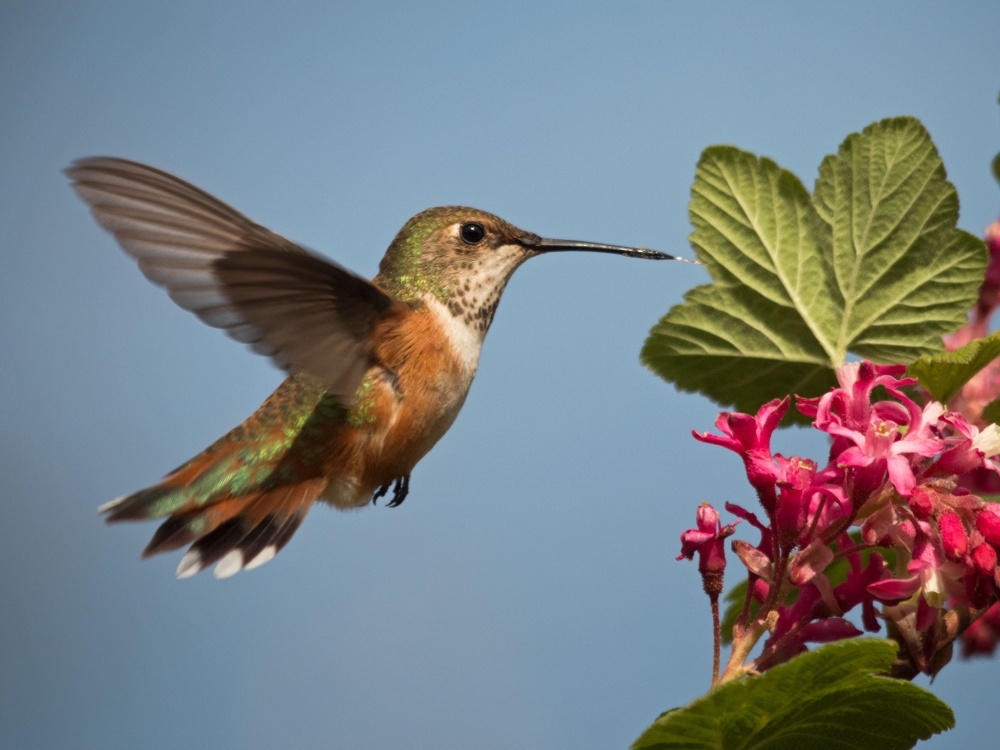
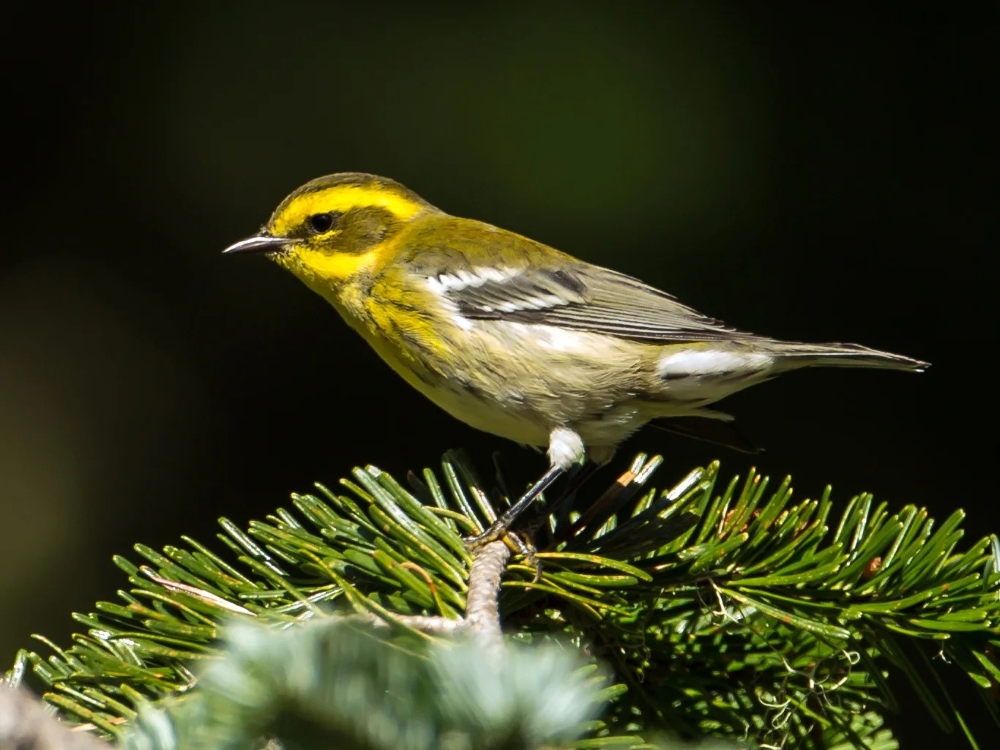
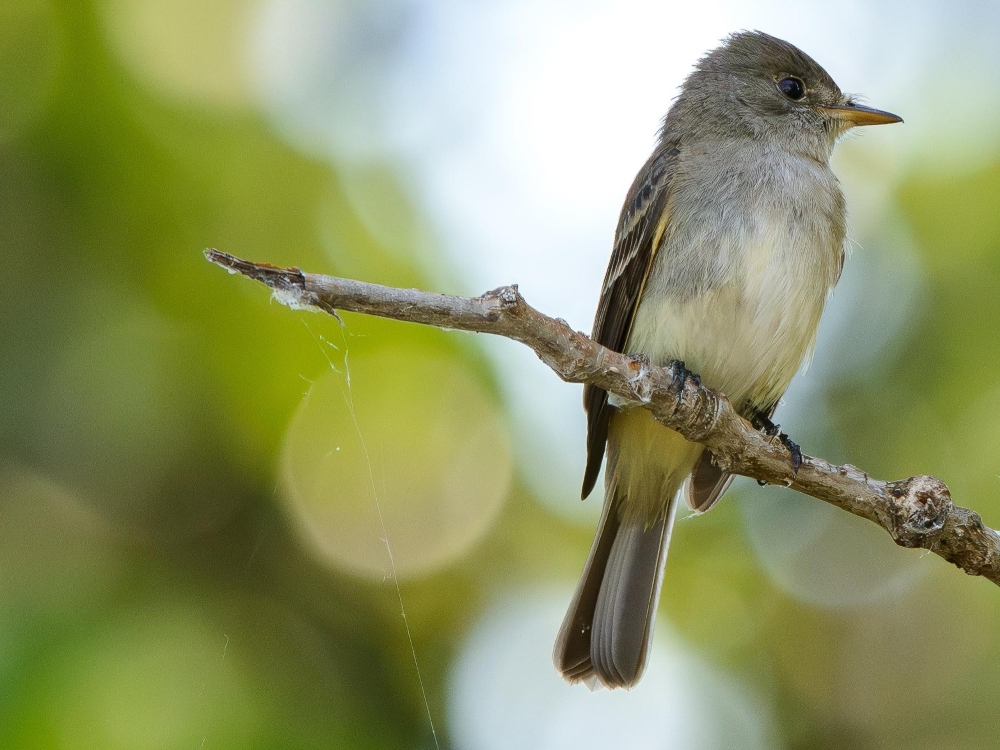
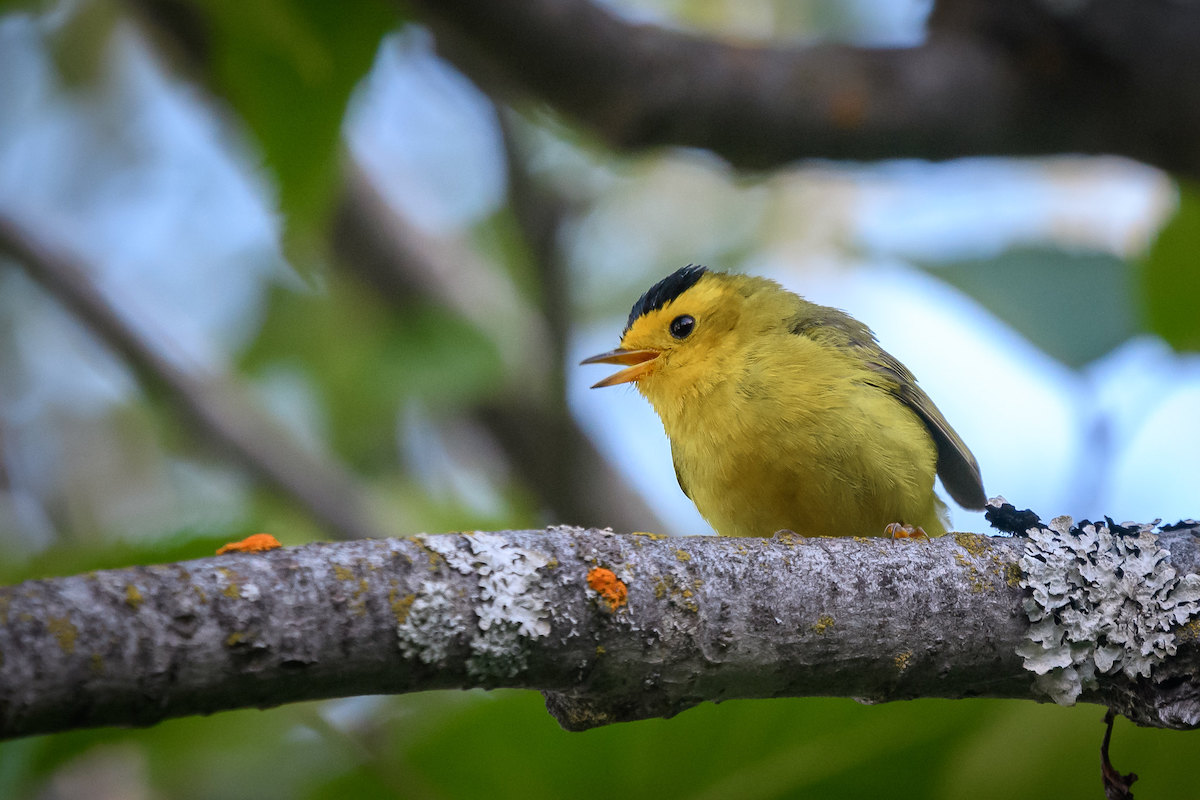
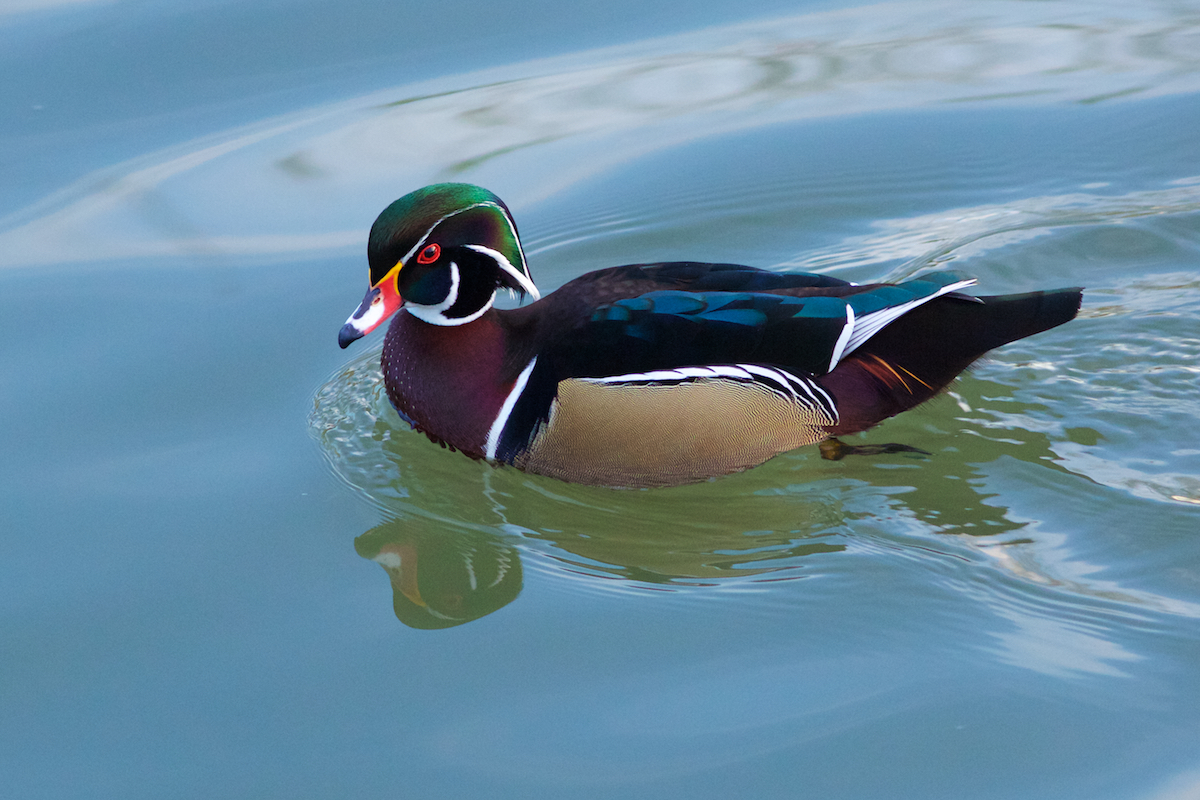
As well as providing vital habitat for birds, wetlands improve resilience for nearby communities. They are powerful carbon sinks, protect people from floods, and provide natural biofiltration.
“Hamilton Marsh is one of the largest remaining freshwater marshes on Vancouver Island and a vital stopover along the Pacific Flyway. It supports thousands of migratory birds and an impressive diversity of species, including up to 30 kinds of dragonflies. Together with Sitka Foundation and our partners through NAWCA, we are proud to help the RDN secure this remarkable ecosystem for the future.”
– Dr. Jasper Lament, Chief Executive Officer, Nature Trust of British Columbia
Hamilton Marsh is part of the Mount Arrowsmith Biosphere Region (MABR), which is one of 19 UNESCO-designated Biosphere Regions in Canada. Biosphere Regions are supposed to be models for innovative and sustainable development, where community partners work together to promote conservation of biological and cultural diversity alongside economic and social growth. Stretching from the top of Mt. Arrowsmith to the Salish Sea, MABR covers about 1200 square kilometers and is home to 48,000 people. In addition to improving habitat connectivity within the Biosphere Region, this acquisition also contributes toward Canada’s commitment to protect 30% of the nation’s lands and waters by 2030.
The Power of Collaborative Conservation
This acquisition was partially funded by a North American Wetlands Conservation Act (NAWCA) grant. NAWCA grants support local efforts in the United States and Canada to conserve wetland habitats for migratory birds. Migratory Bird Joint Ventures play a central role in the NAWCA application process by providing guidance for project development and prioritizing NAWCA proposals from their geographic region. Pacific Birds supported this NAWCA grant, which is being administered by the Nature Trust of British Columbia (NTBC).
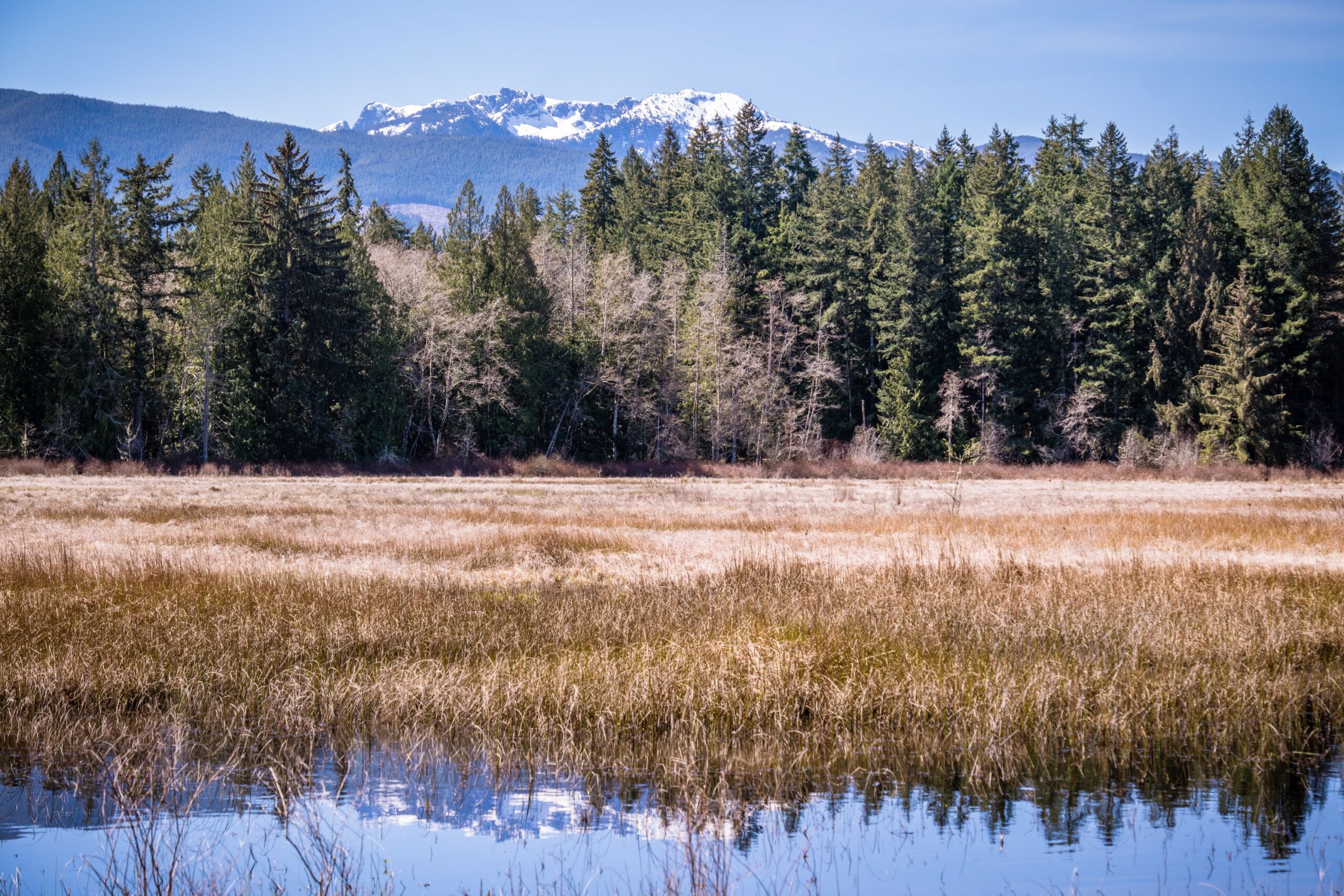
In addition to NTBC, many other Joint Venture partners contributed financially to the acquisition, including Environment and Climate Change Canada, Parks Canada, the British Columbia Ministry of Water, Land and Resource Stewardship, and Ducks Unlimited Canada. Nature Conservancy of Canada also provided in-kind support for the acquisition. Locally, RDN was the largest contributor. But philanthropy from the Sitka Foundation and community fundraising through Nanaimo & Area Land Trust, Mount Arrowsmith Biosphere Region, and the Hamilton Wetlands and Forests Preservation Society played significant roles in the purchase as well.
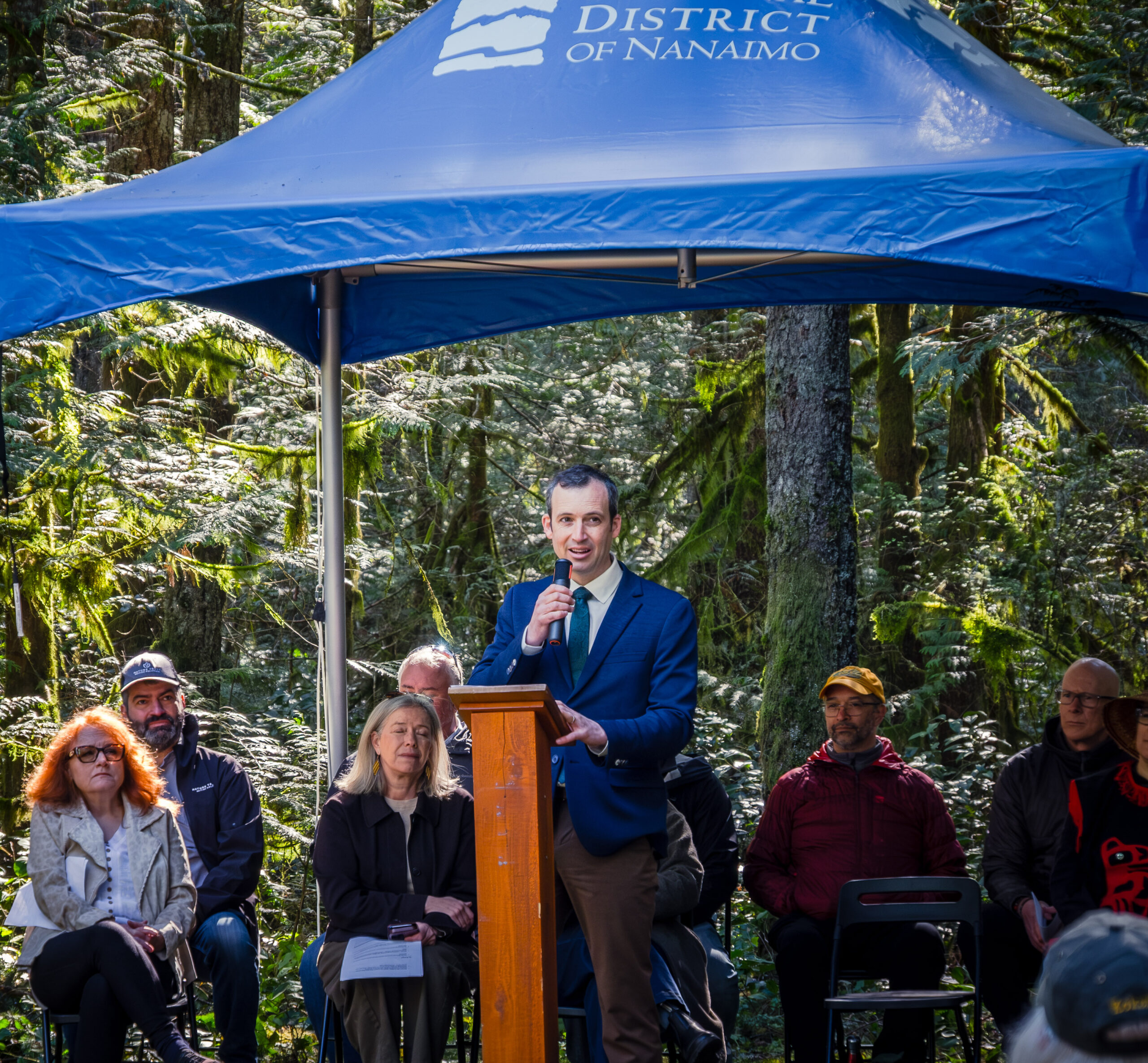
Partnerships and community engagement will remain a core part of this project. RDN’s next step is to work with residents and partner organizations on a management plan for the new park, which formally opened on April 7, 2026. We look forward to seeing the continued impact of collaborative conservation at Hamilton Marsh.