Throughout this spring, we co-hosted multiple volunteer opportunities on Oʻahu and Kauaʻi where community members helped the conservation efforts for the ʻalae ʻula by taking action to protect these birds and the habitats they rely on.
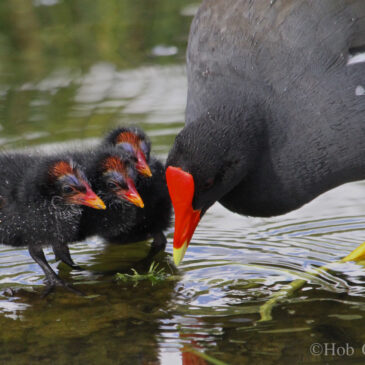
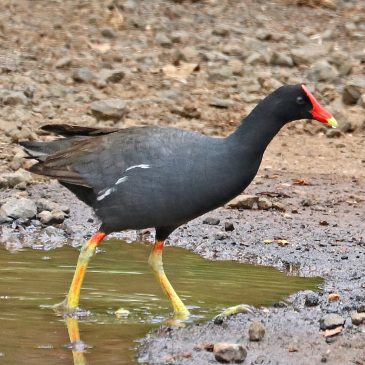
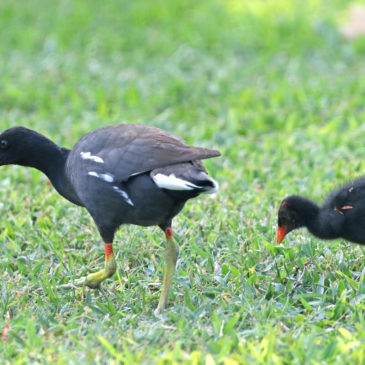
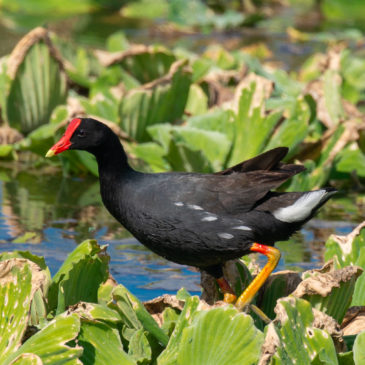
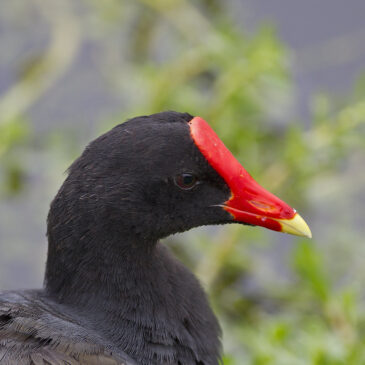
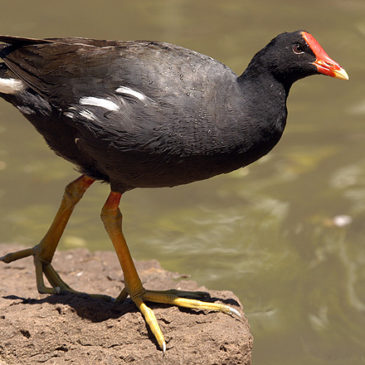
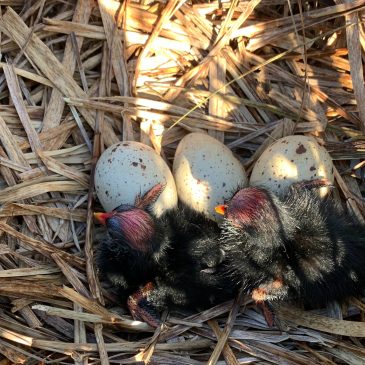
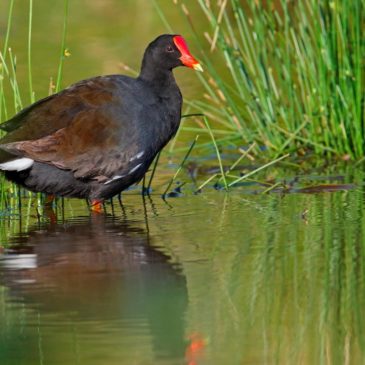
The ʻalae ʻula (Gallinula galeata sandvicensis), is an endangered waterbird also known as the Hawaiian Common Gallinule. There are just 712 ʻalae ʻula left in the world! Although they are endemic to Hawaiʻi, they have been lost from all of the islands except Kauaʻi and Oʻahu. The good news is that we know what these birds need! High quality wetlands, thriving and expansive loʻi kalo (wetland taro farms), and spaces that are safe from predators like cats, dogs, rats, and pigs.
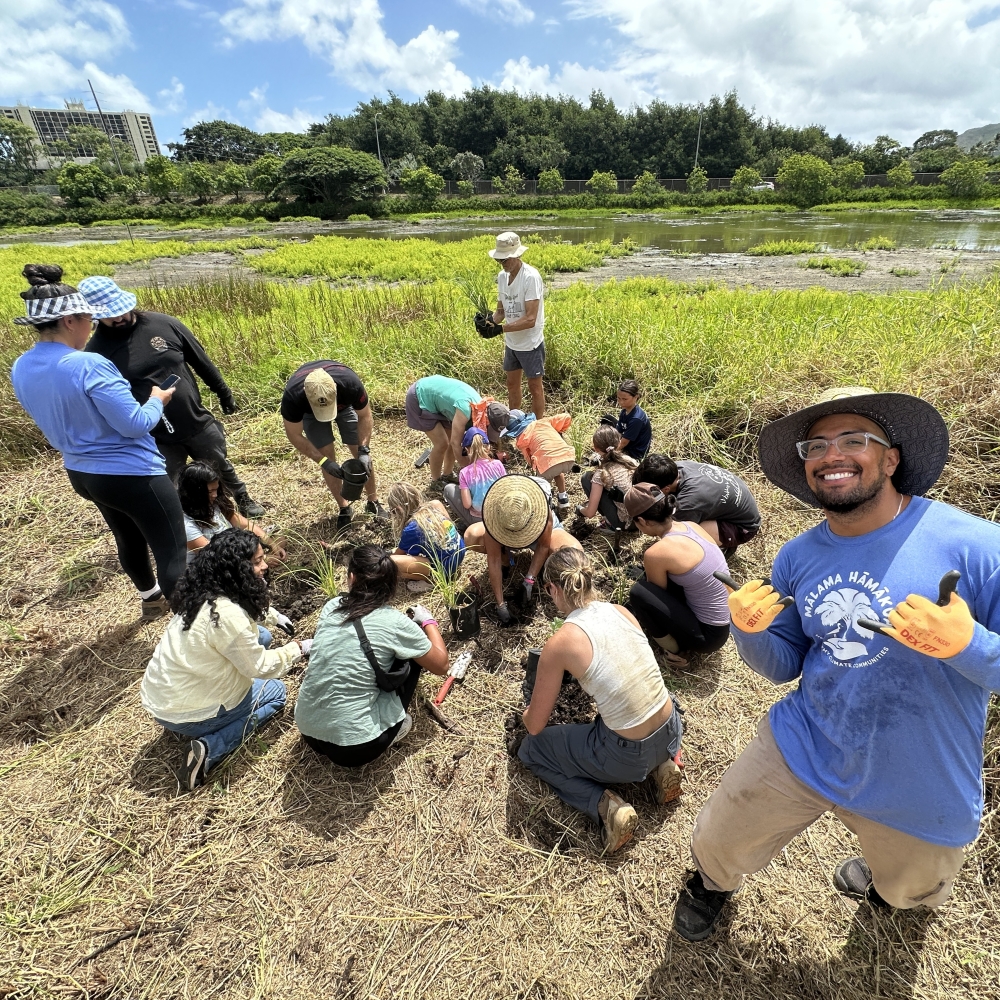
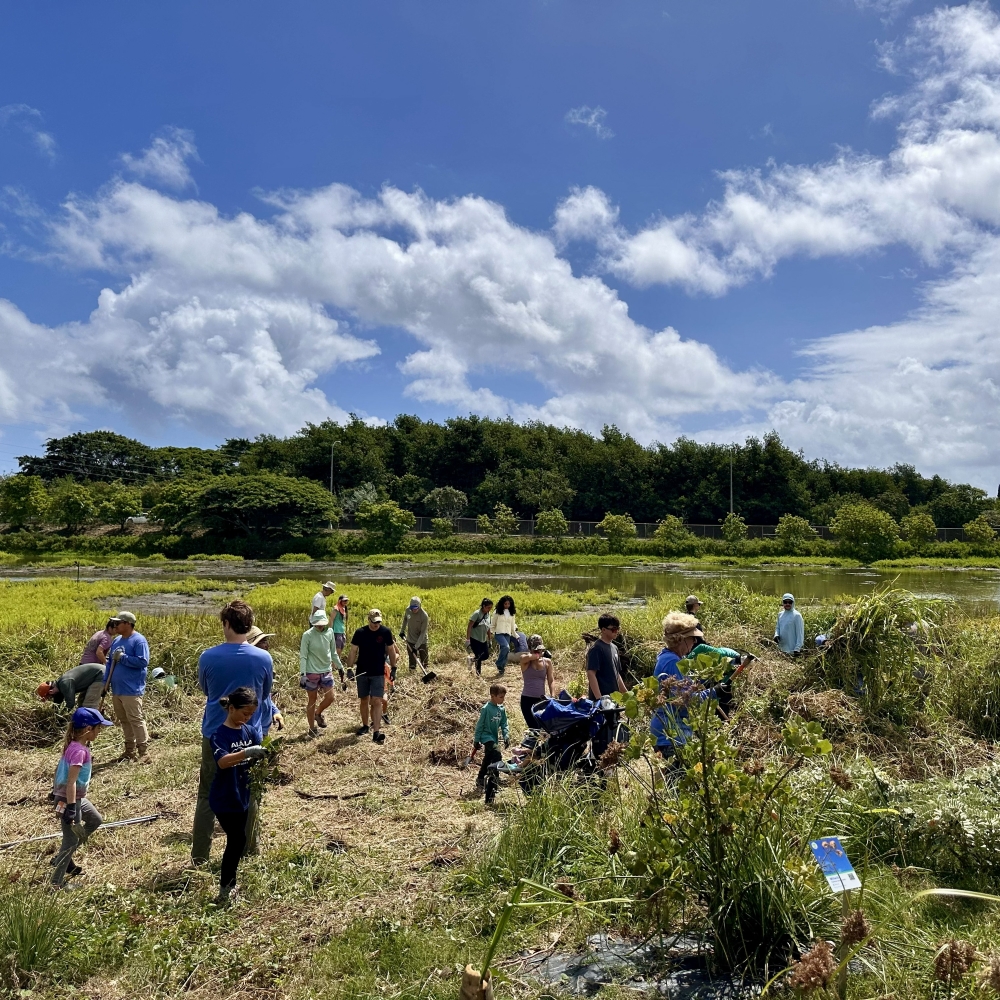
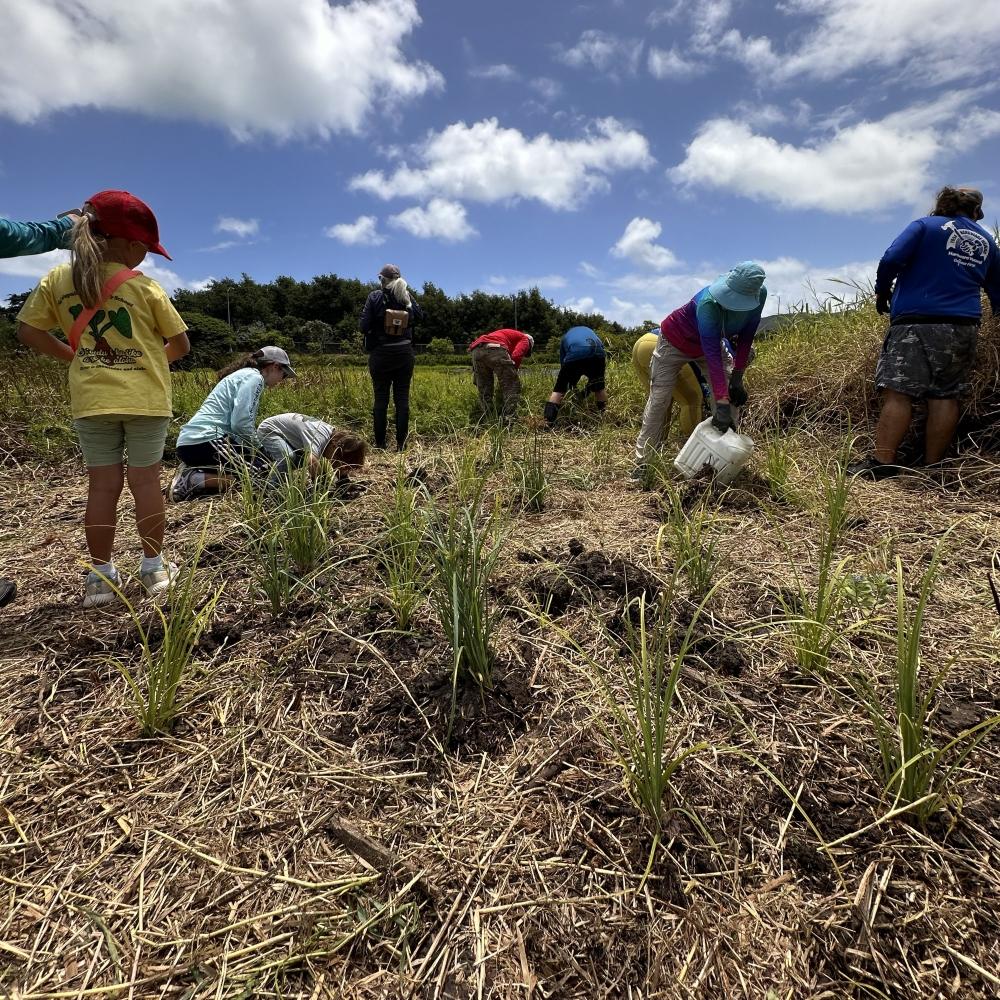
By volunteering to restore wetlands, community members can make a big difference for the ʻalae ʻula and Hawaiʻi’s other endangered waterbirds. We are so grateful to the many volunteers who participated in our restoration workdays at Waimea Valley on May 16 and at Hāmākua Marsh and Kawaʻiele State Waterbird Sanctuary on June 6. Mahalo to everyone who joined us!

May 16: Waimea Valley
On May 16, we partnered with the Hawaiʻi Audubon Society and Livable Maunalua Hui to host a restoration workday at Waimea Valley. Waimea Valley is a wahi pana (a storied and sacred place) located on the North Shore of Oʻahu that is deeply rooted in Hawaiian history and living tradition.
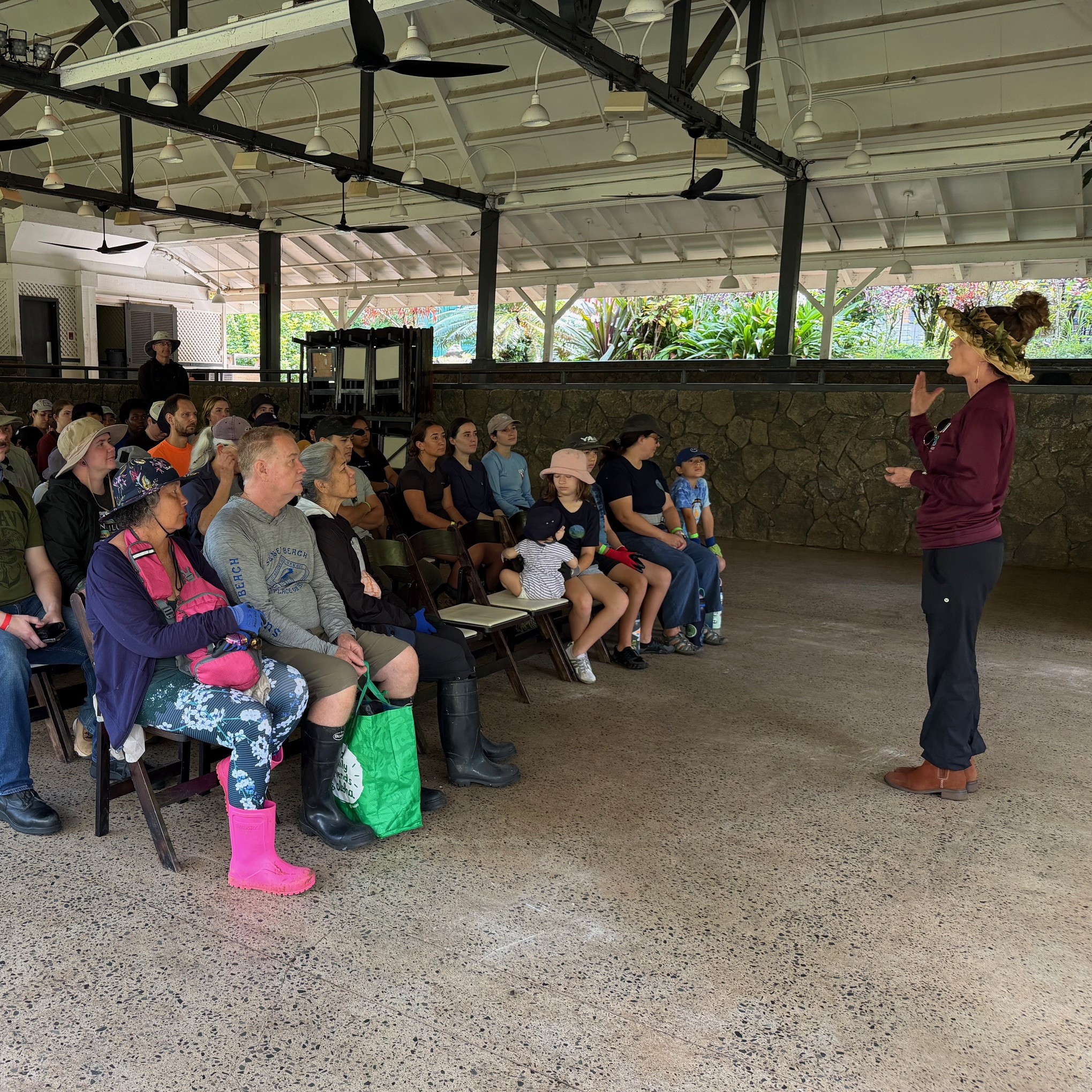
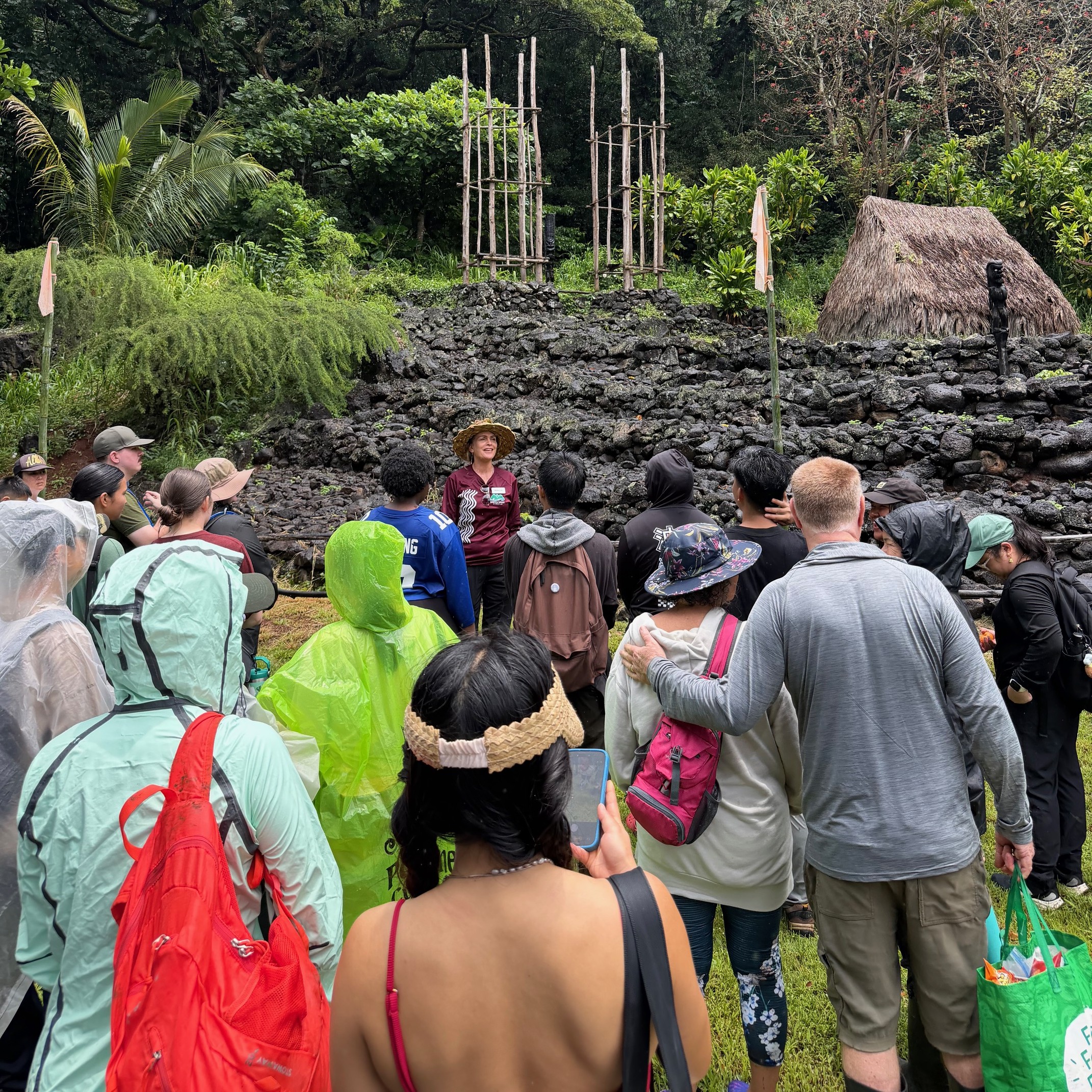
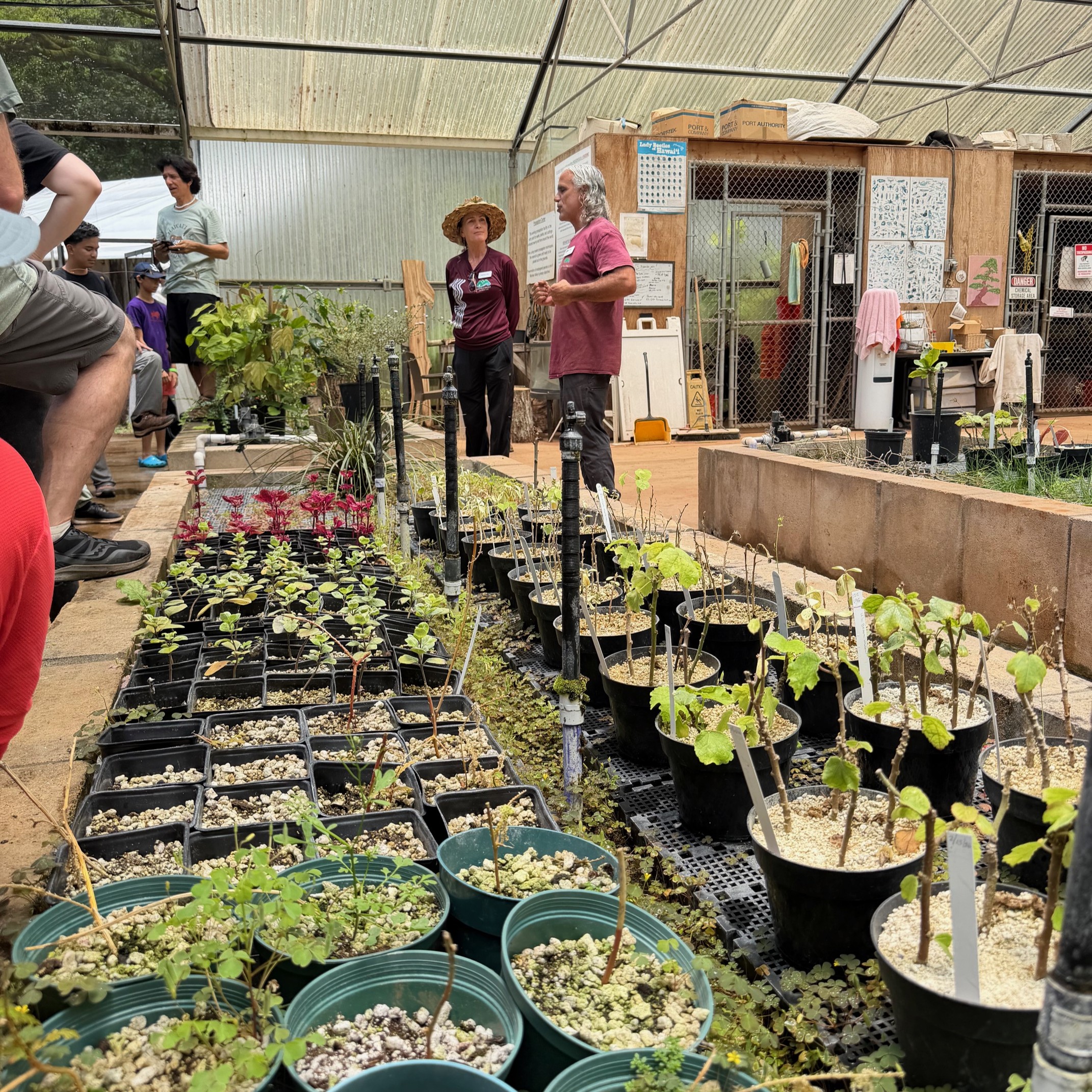
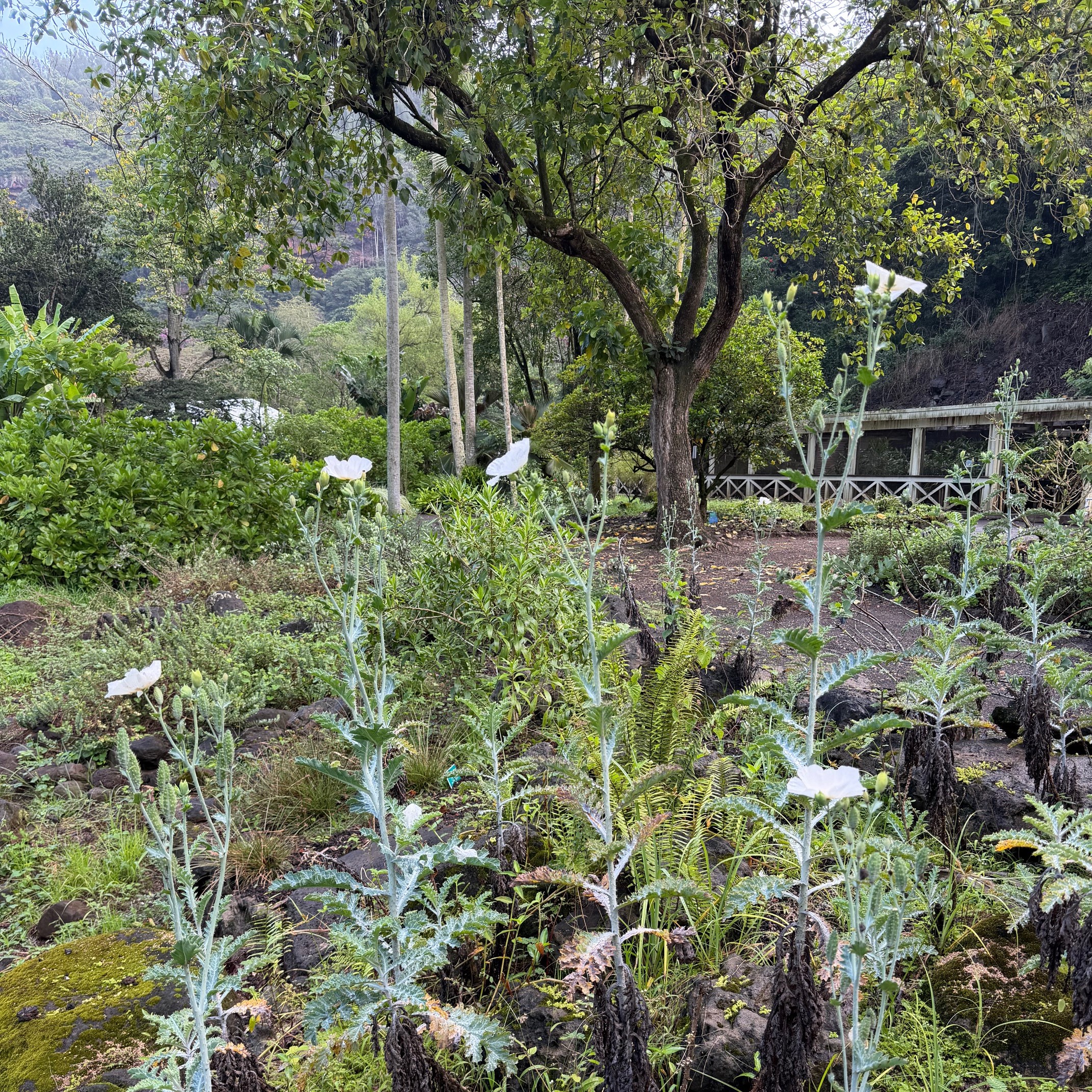
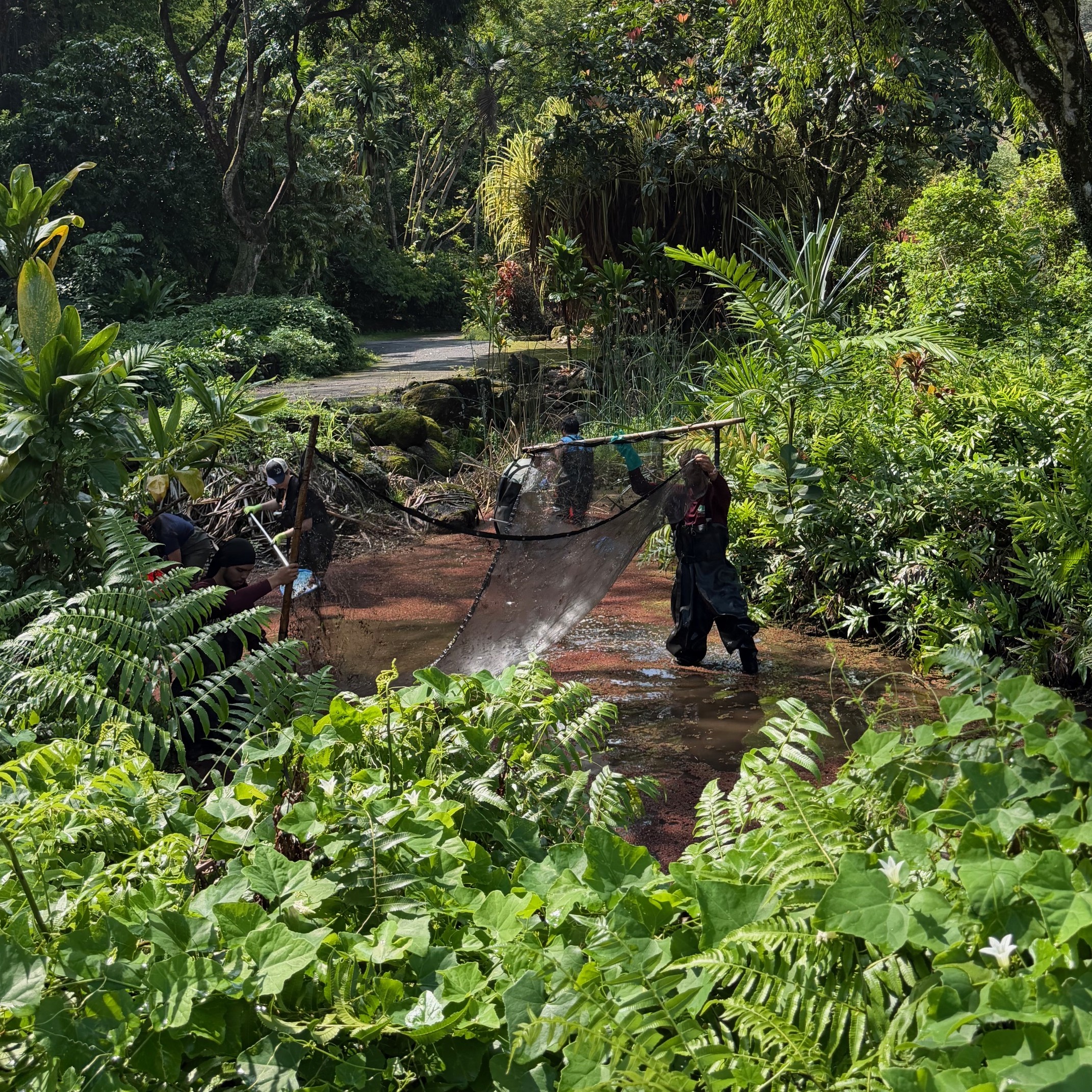
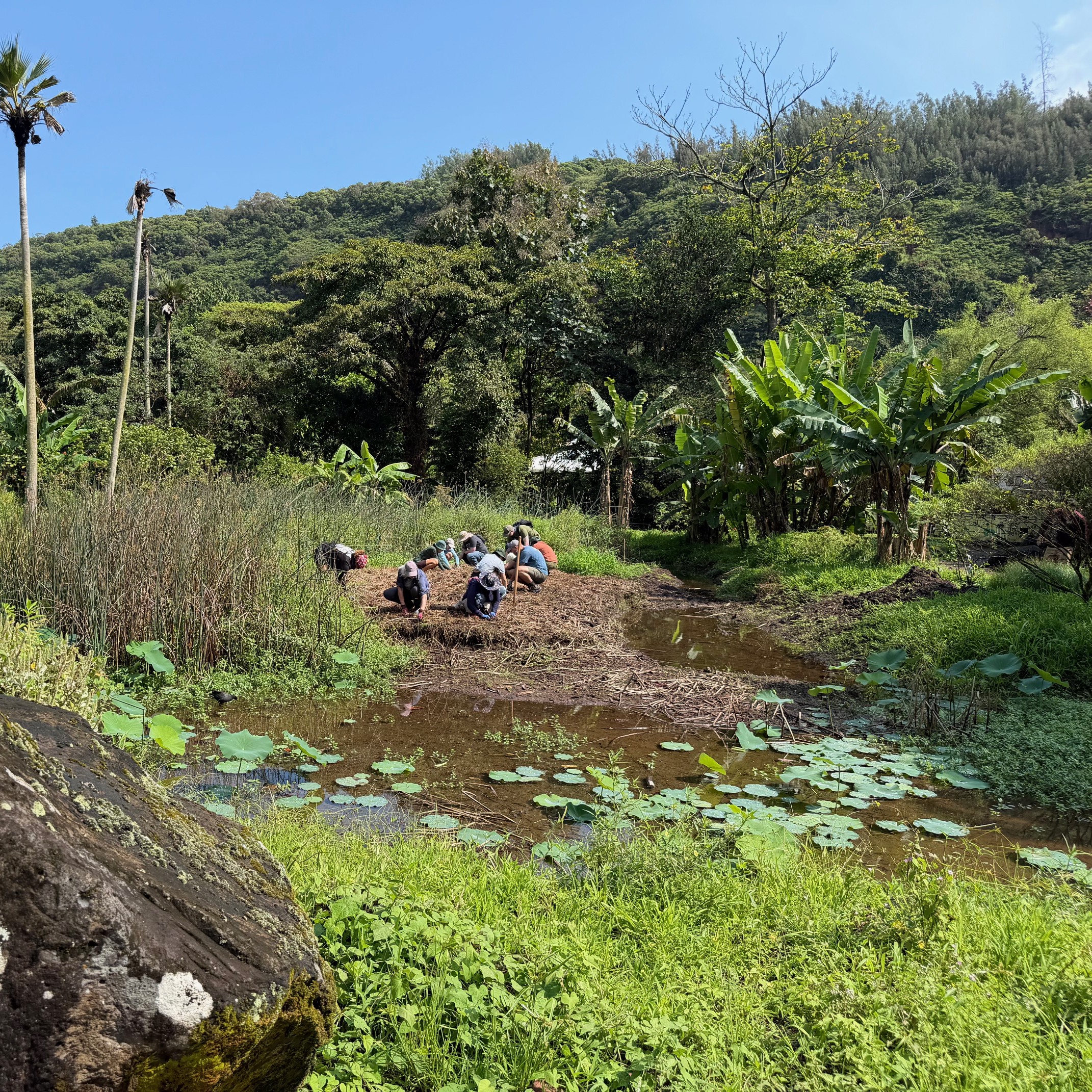
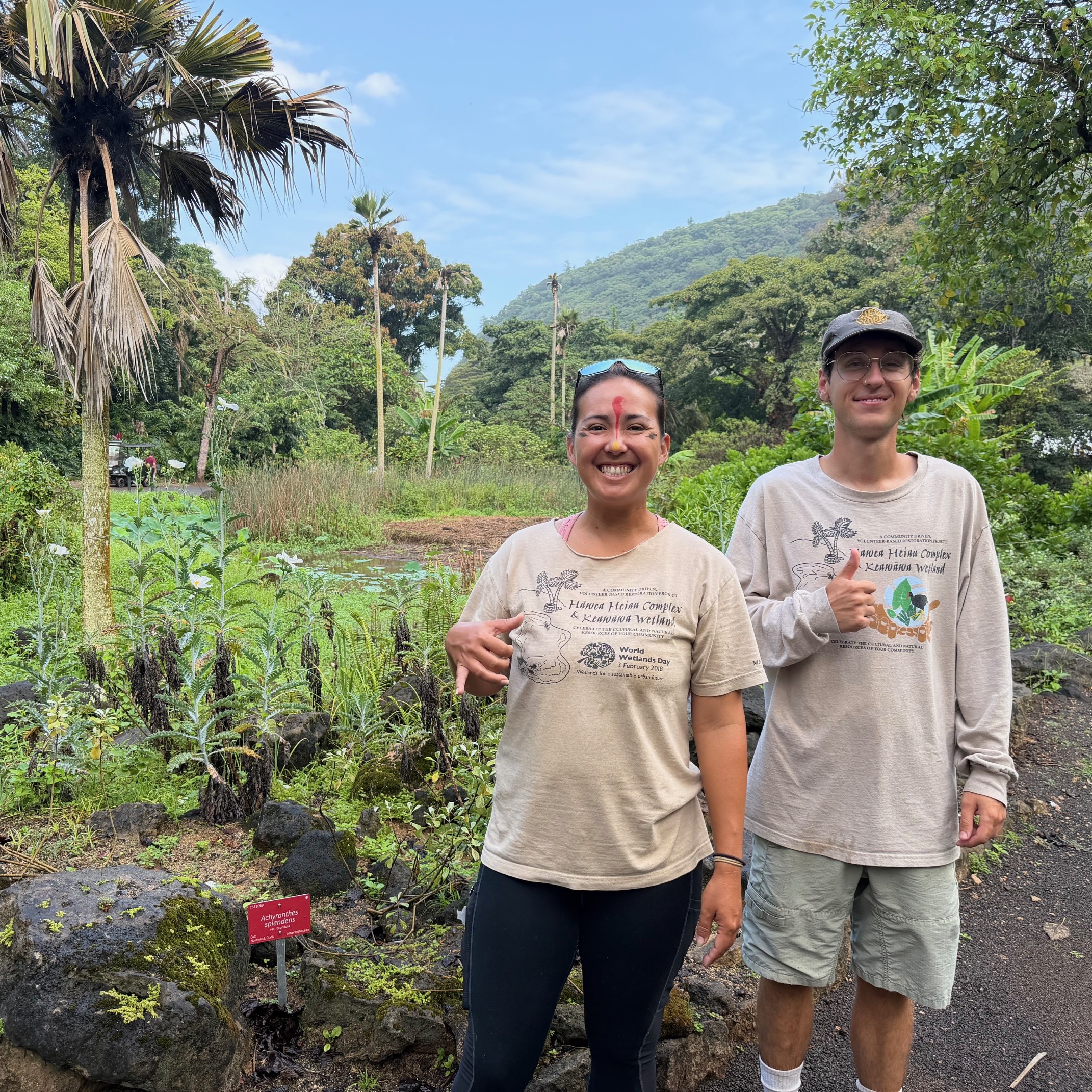
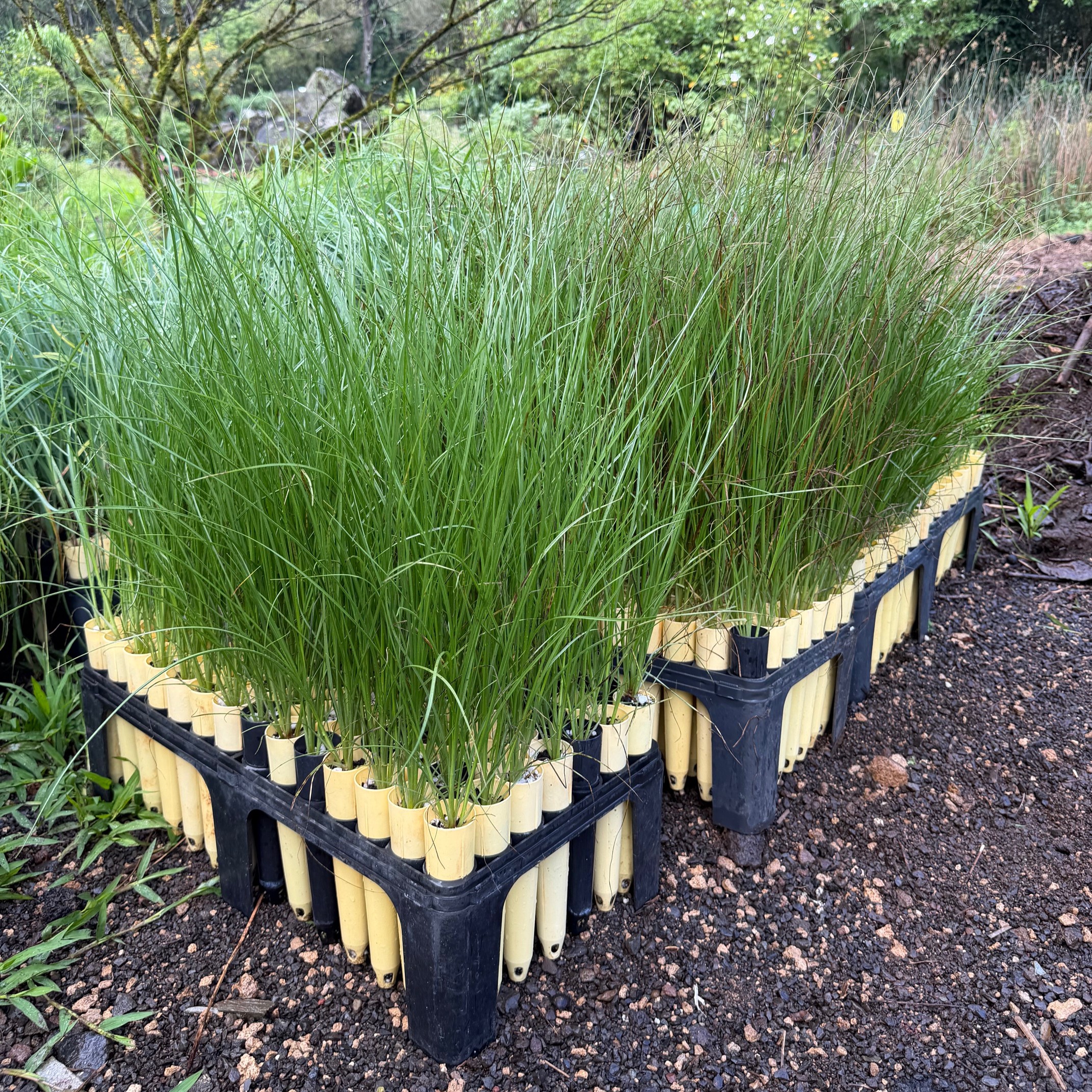
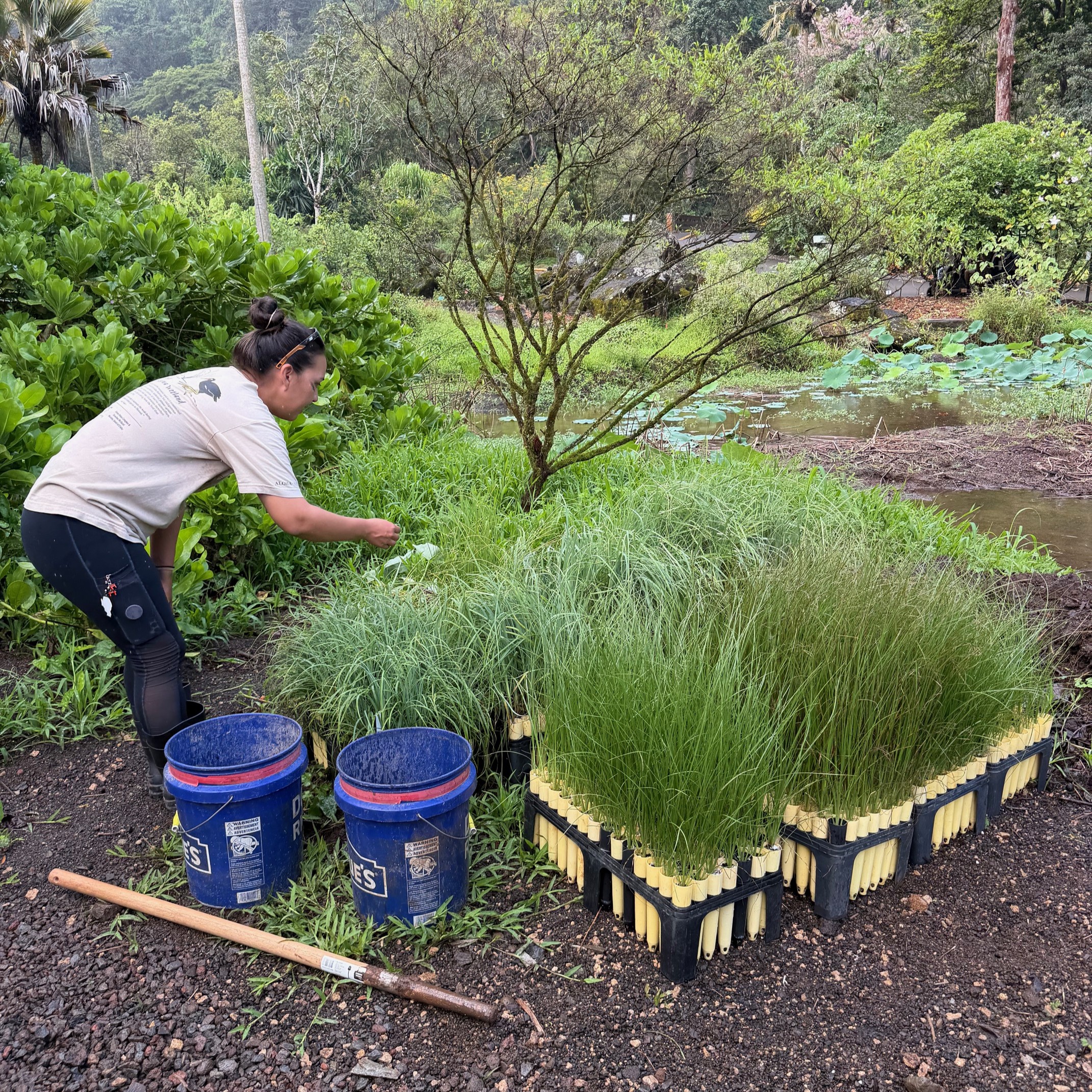
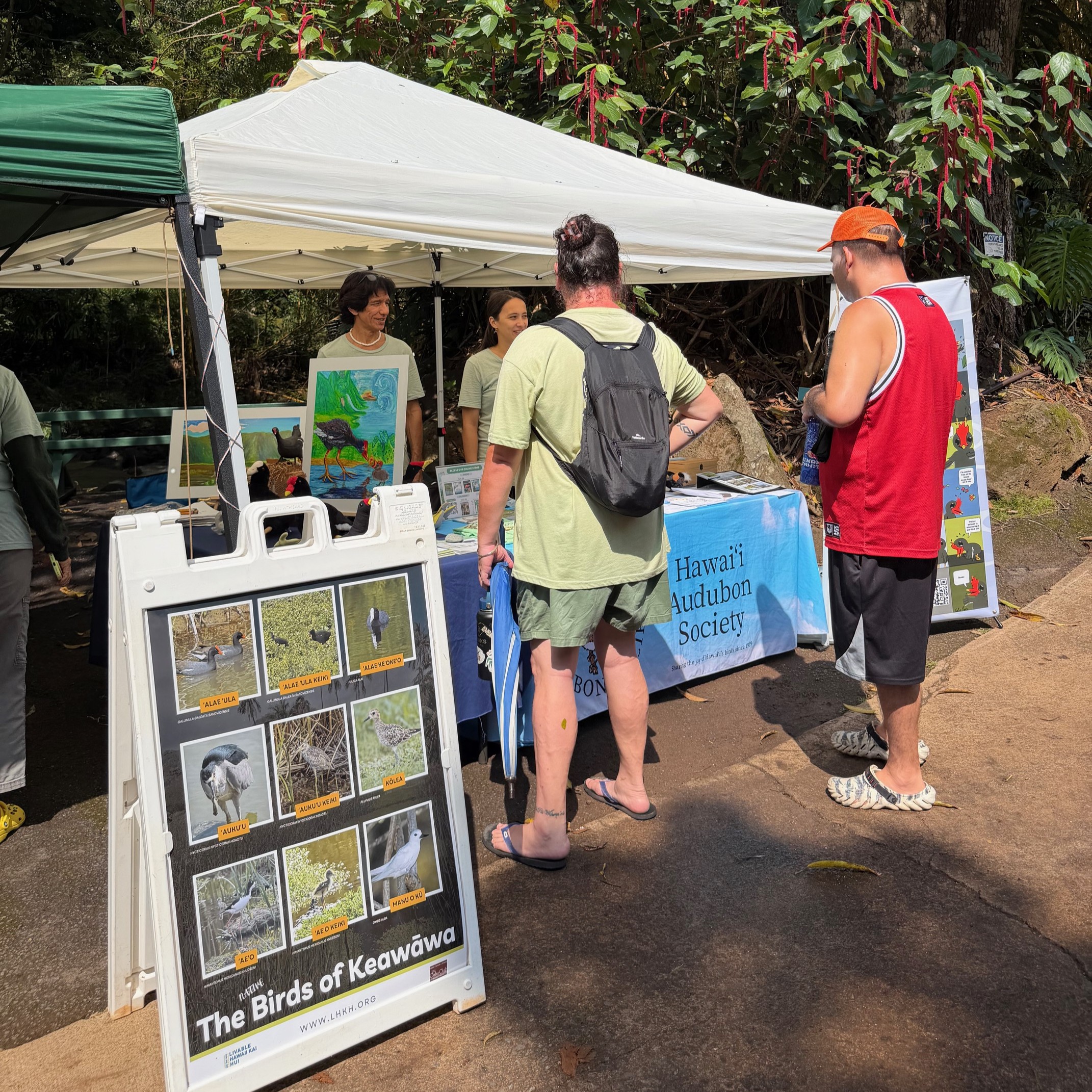
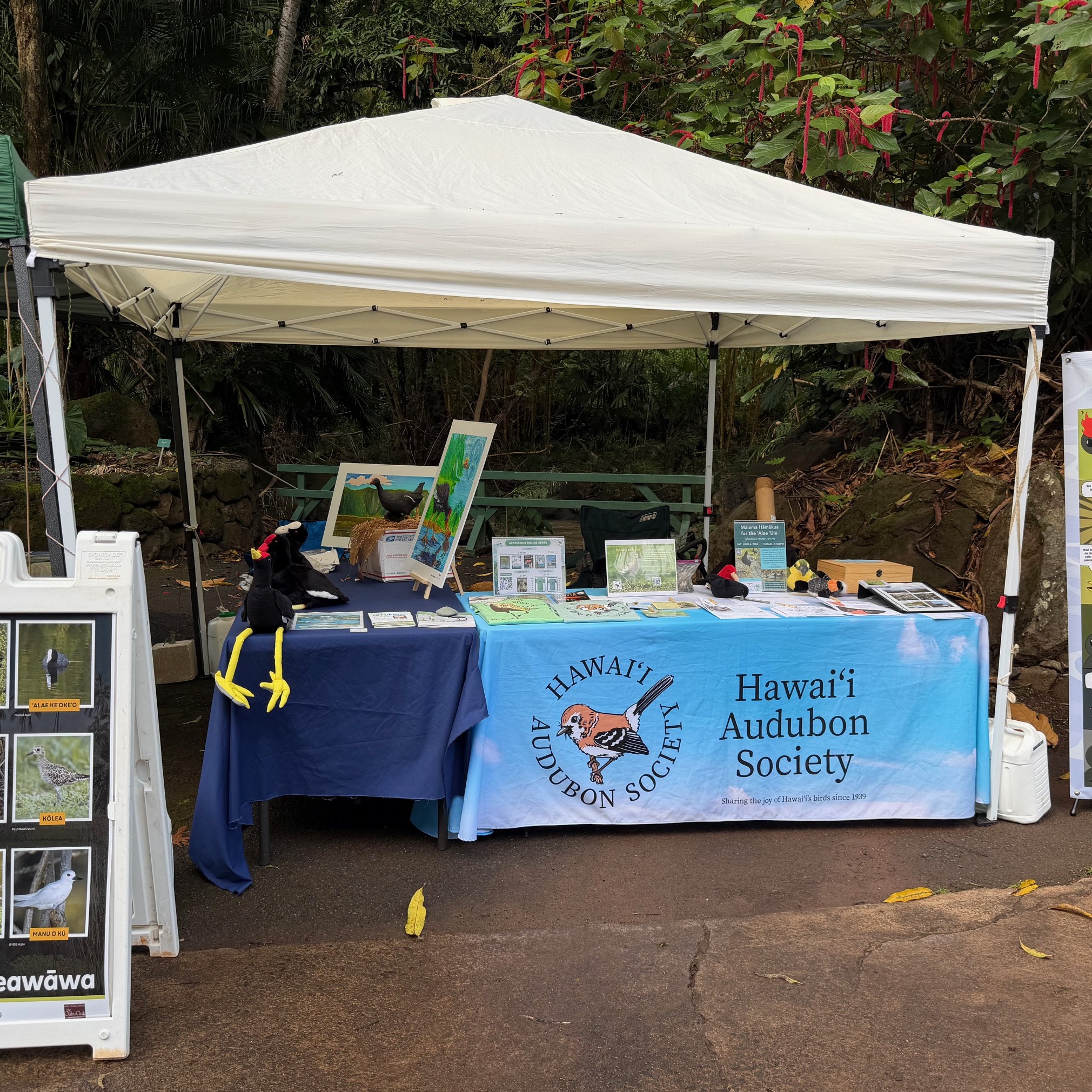
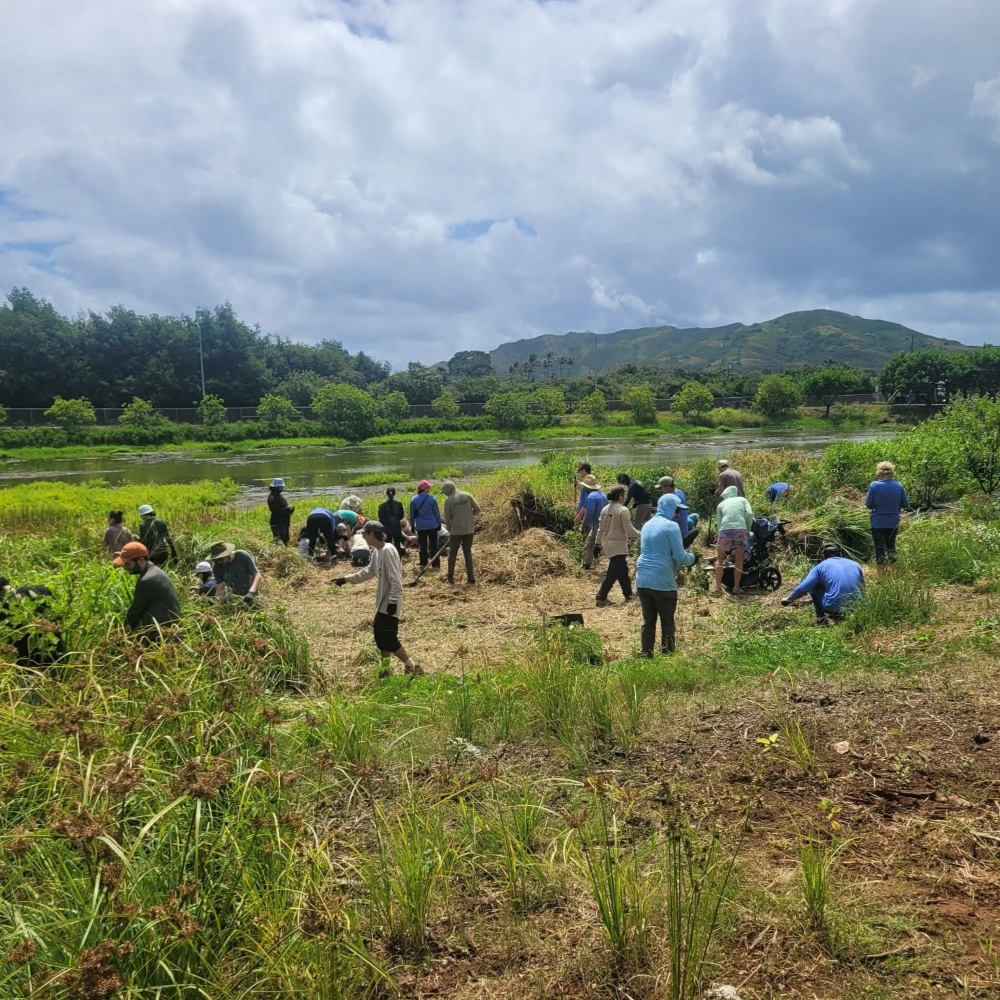
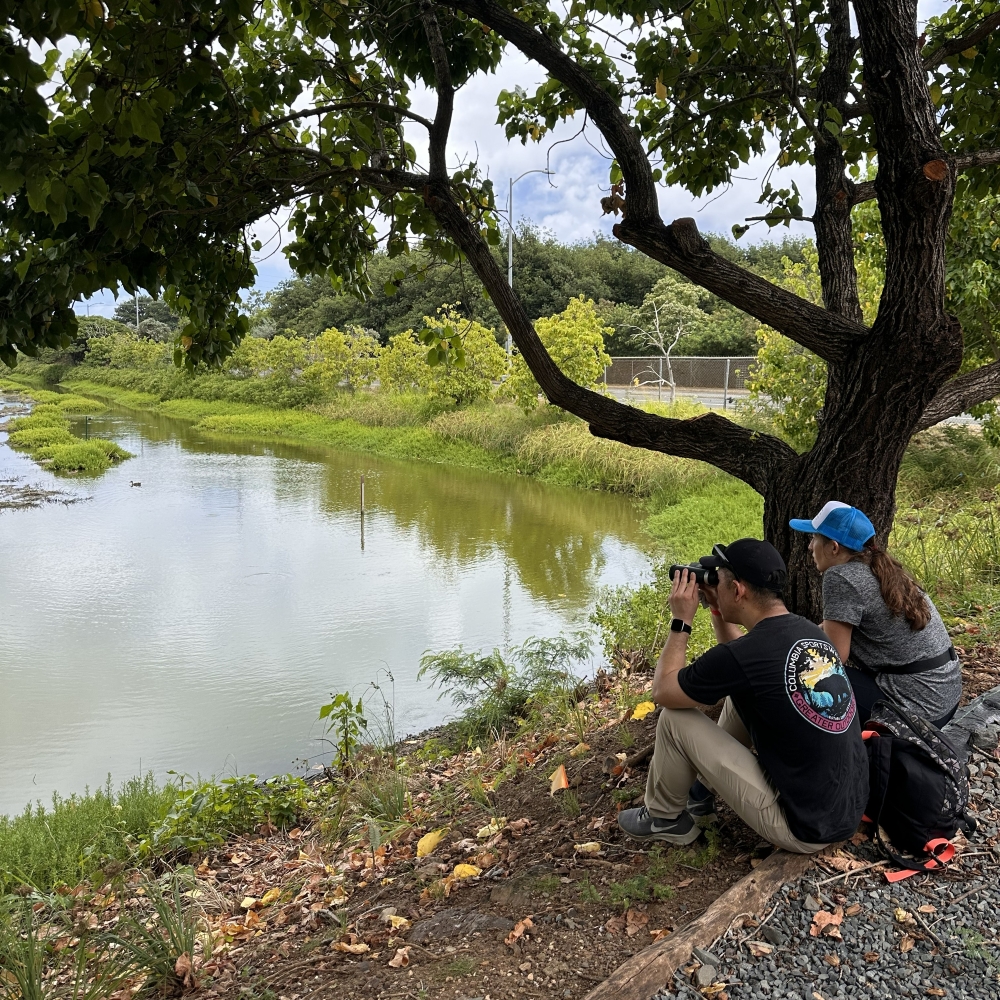
Volunteers waded into ponds to help clear overgrown aquatic plants and remove weeds along the edges, improving open water and healthy habitat for our resident ʻalae ʻula. There were also opportunities for children to help remove invasive plants along stream banks and plant native hala to stabilize soil and reduce erosion. This hands-on work strengthened the natural systems that support clean flowing wai (water) and created safe nesting areas for ʻalae ʻula.
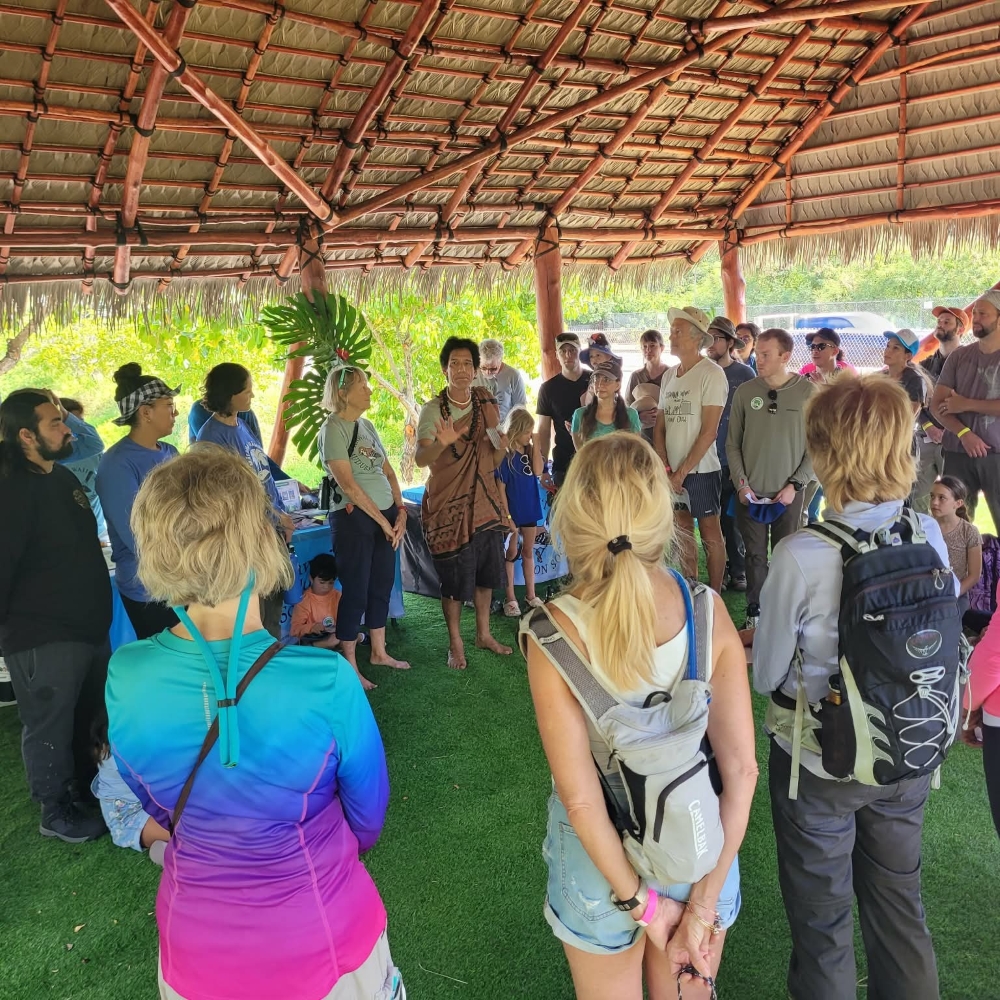
Additionally, the event featured booths for partners to share about their inspiring work, a cultural tour through Waimea Valley, and a special ʻalae ʻula oli (chant). Hawaiian cultural practitioner Keahi Renaud created this oli for our campaign, which he first presented at our campaign launch event at Kukui Grove on April 4.
June 6: Kawaiʻele State Bird Sanctuary and Hāmākua Marsh
On June 6, we co-hosted two volunteer opportunities as part of a statewide coastal restoration workday! These events were also part of the Year of Our Coastal Kuleana, a Hawaiʻi DLNR campaign that celebrates coastal ecosystems and our collective role in helping to care for Hawaiʻi’s coasts.
On Kauaʻi, we partnered with the DLNR Division of Fish and Wildlife to host a restoration workday at the Kawaiʻele State Waterbird Sanctuary. This is a favorite site of native waterbirds, migrant waterfowl, and shorebirds. By removing invasive plants around the ponds, the volunteers greatly improved ʻalae ʻula habitat.
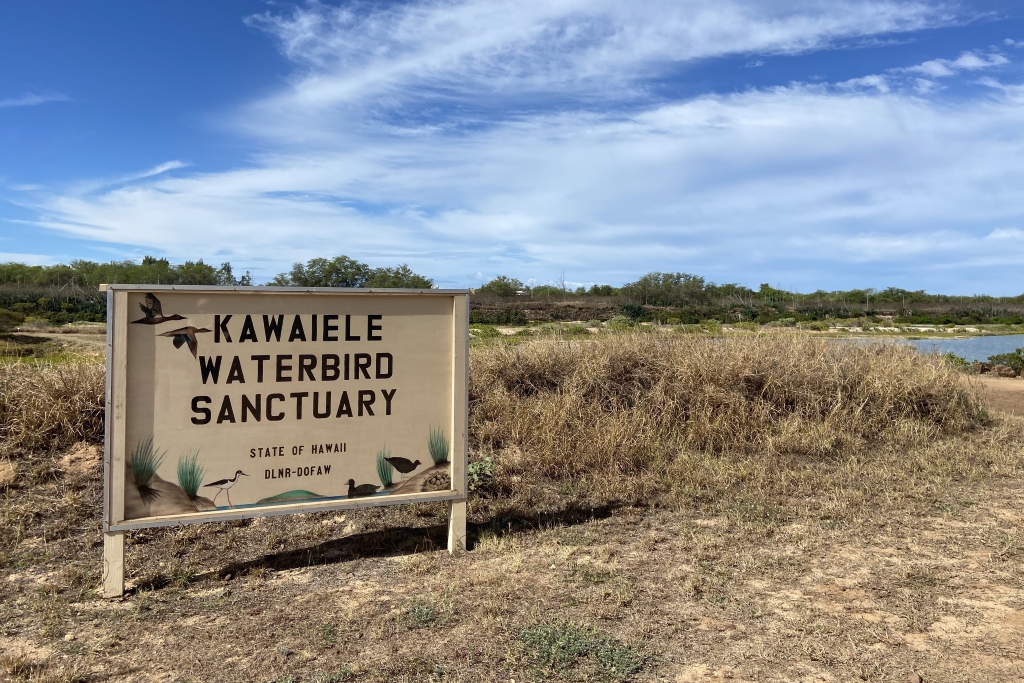
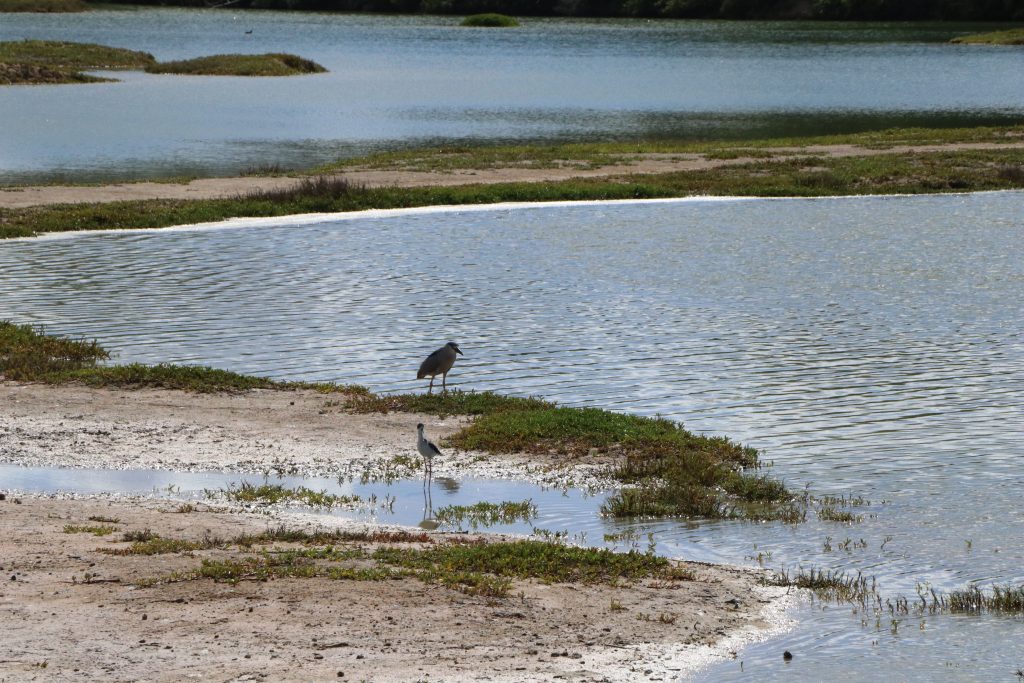
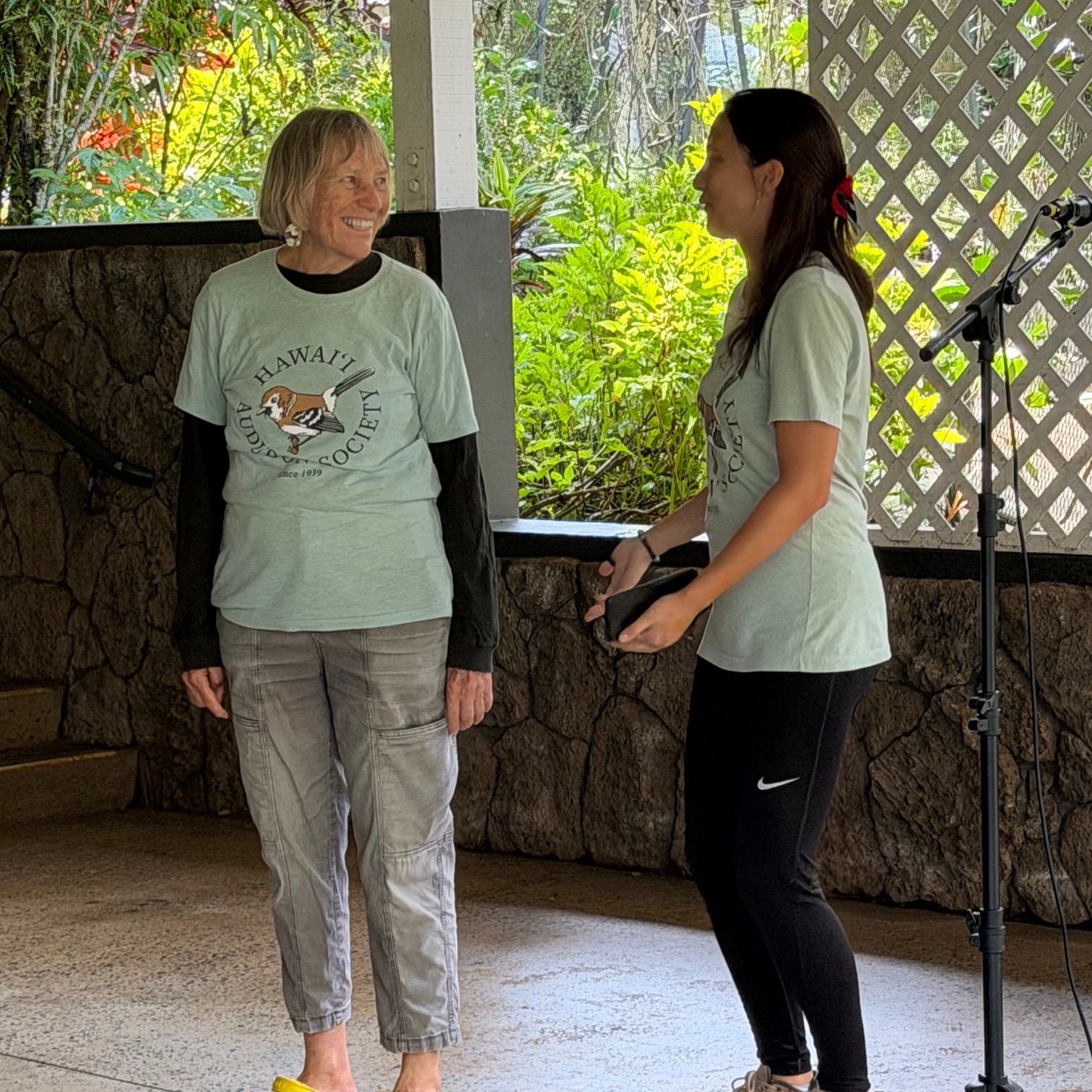
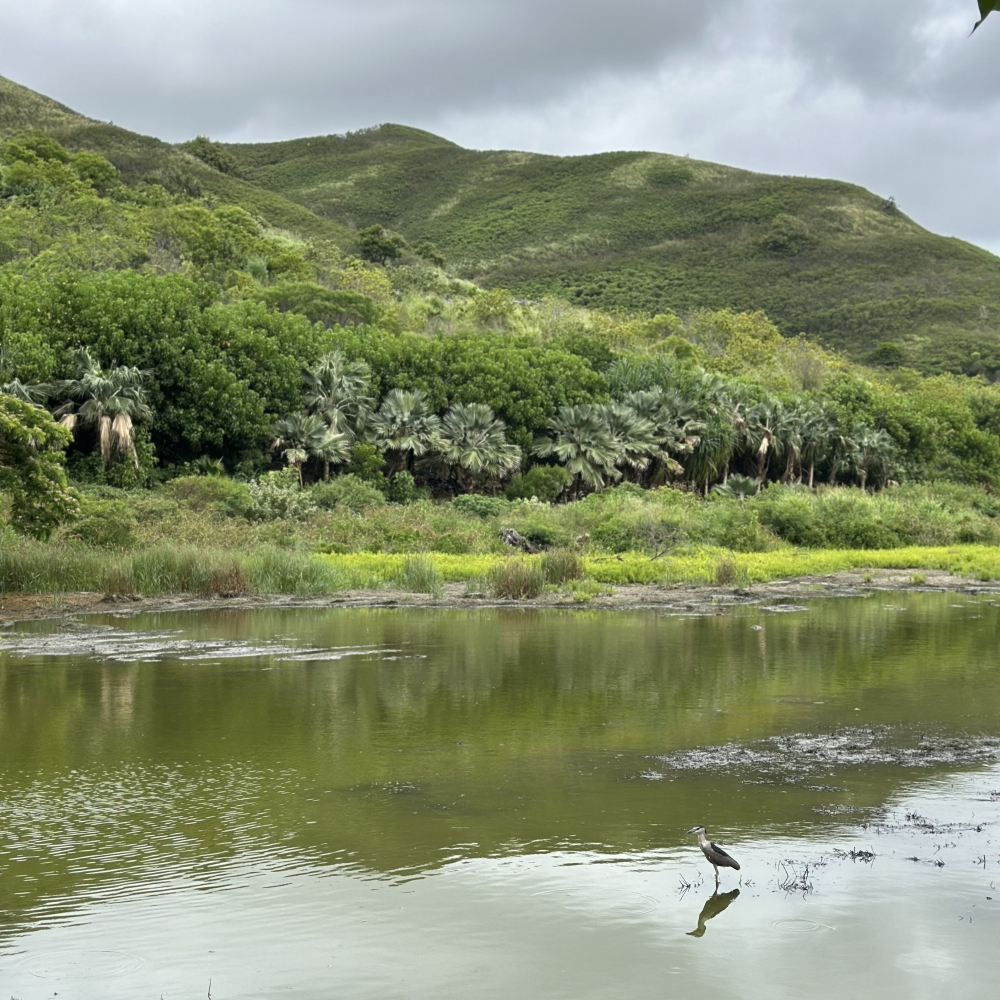
On Oʻahu, we partnered with Hawaiʻi Audubon Society and Healthy Climate Communities for a volunteer day at Hāmākua Marsh! Like the event at Waimea Valley, there were partner booths and the special ʻalae ʻula oli, as well as a bird tour through the marsh led by Hawaiʻi Audubon Society President Susan Scott. Over 80 people participated in the workday.
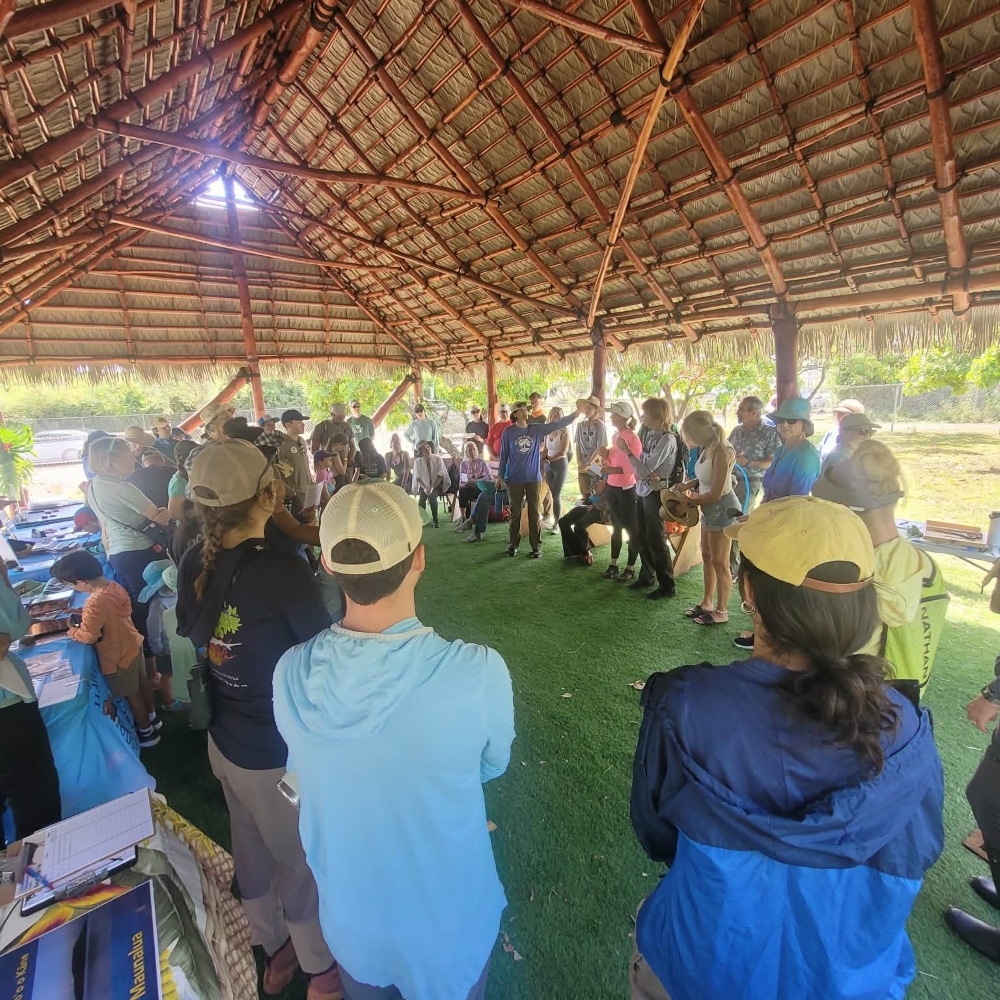
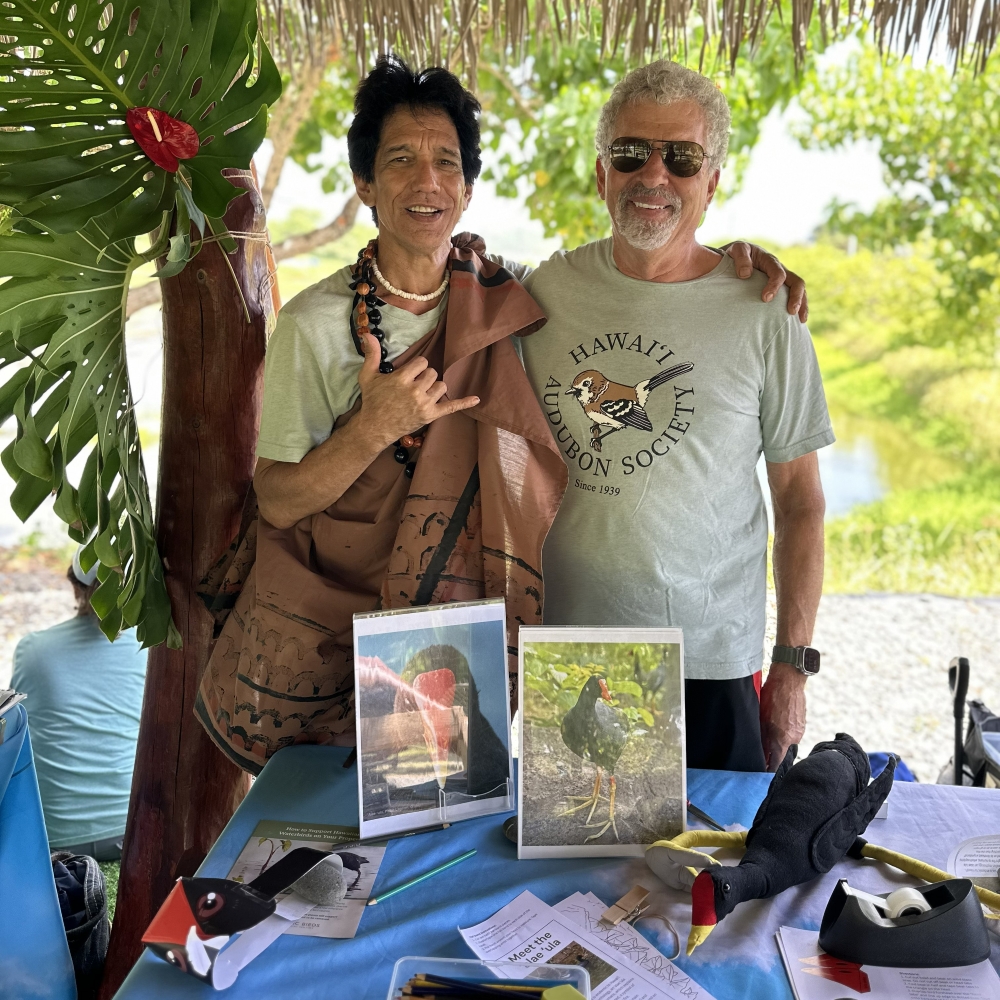
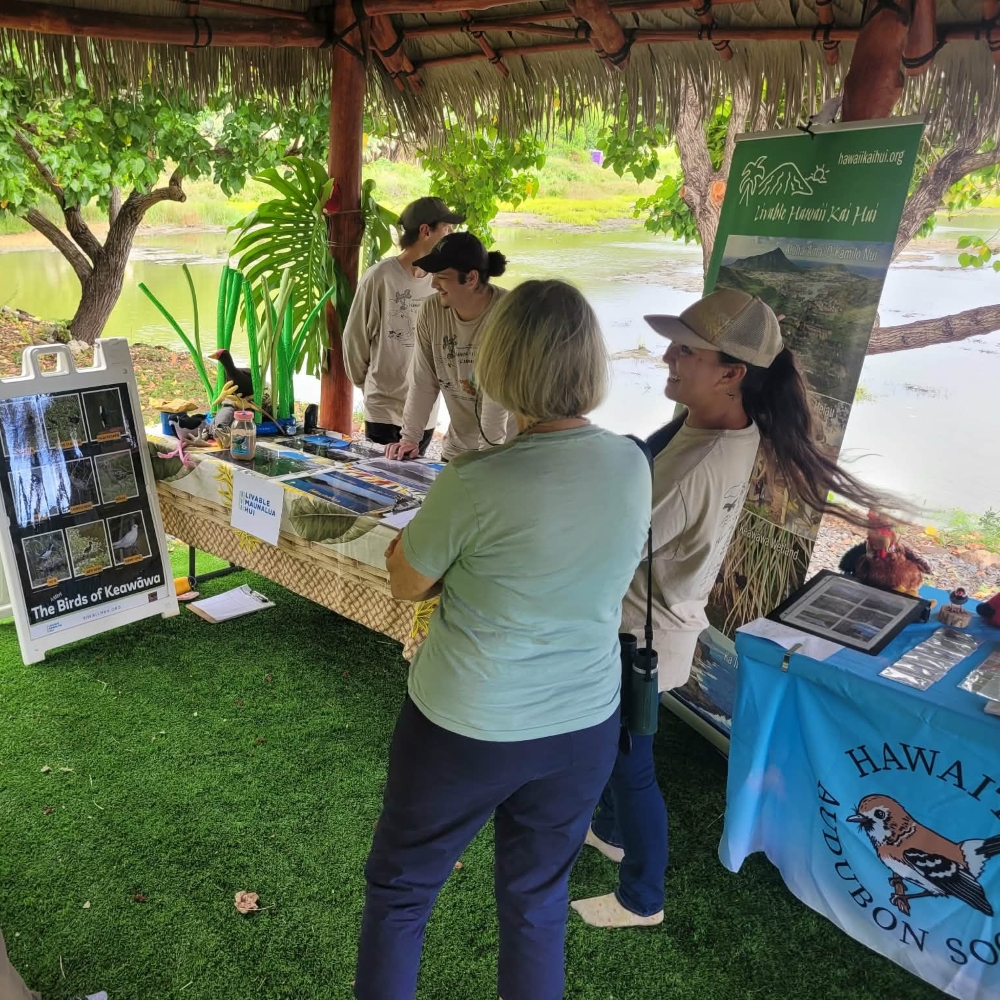
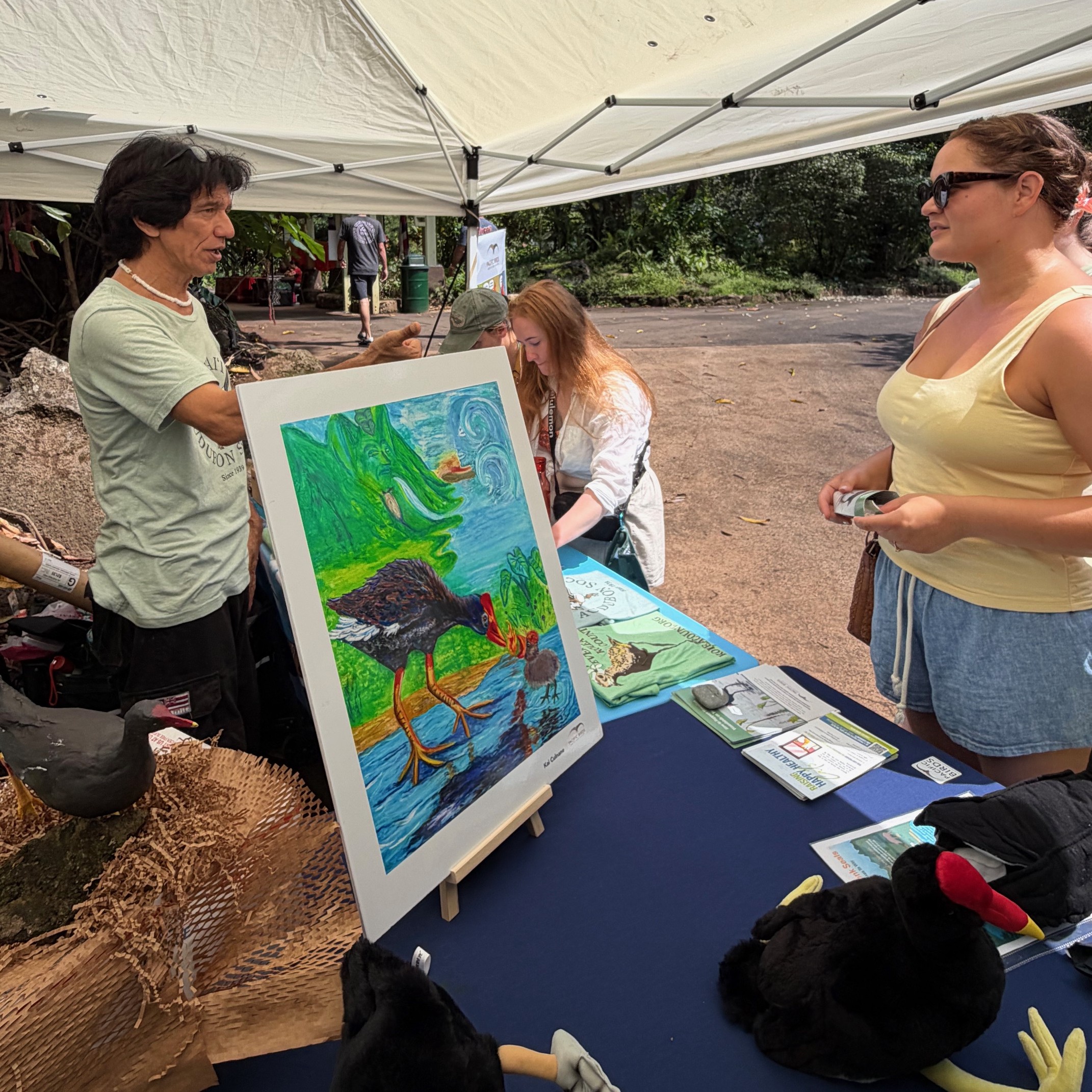
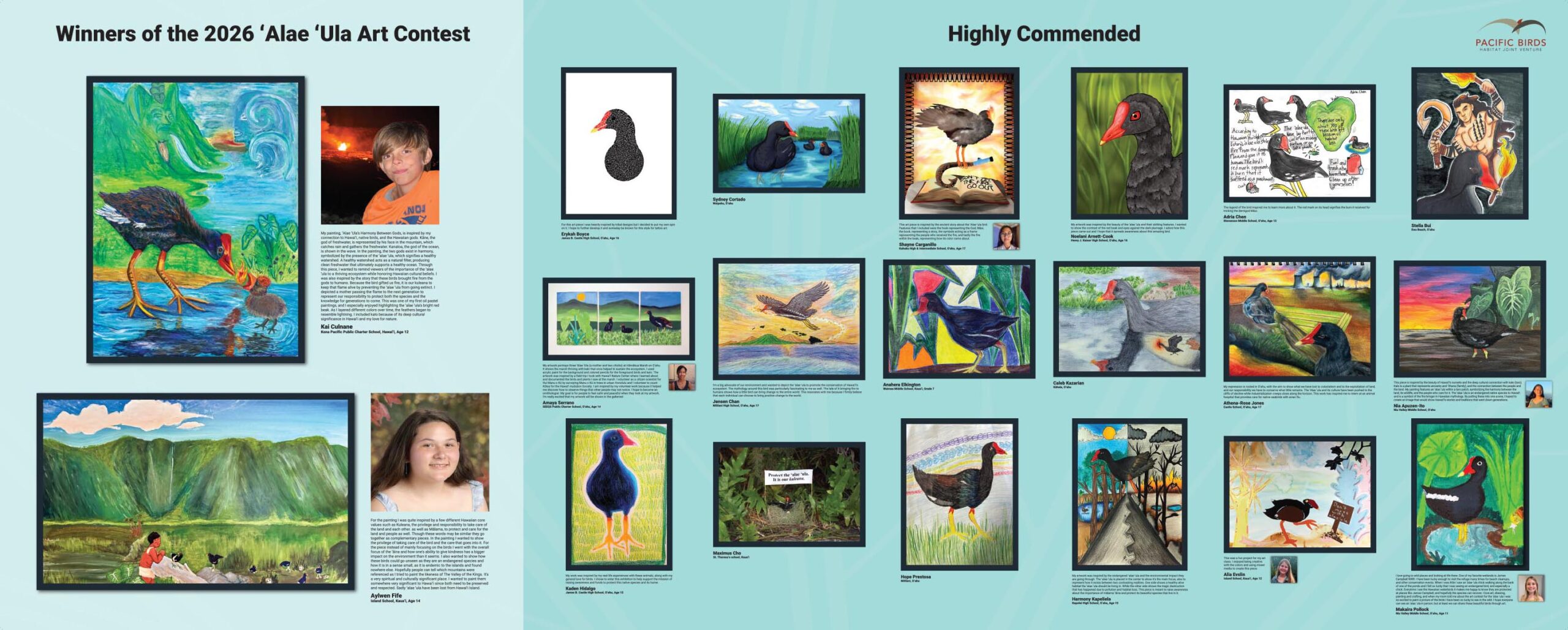
At each of our event booths, Pacific Birds displayed ʻalae ʻula artwork created by middle and high school students in Hawaiʻi. As part of an art contest last winter, over 130 students contributed pieces of art that depicted the ʻalae ʻula and reflected an aspect of Hawaiian culture. Their beautiful artwork has raised awareness of the ʻalae ʻula and how the community can protect it.
Thank You to Our Partners
We appreciate the partnership of Hawaiʻi Audubon Society, Hawaiʻi DLNR, Healthy Climate Communities, Livable Maunalua Hui, and Waimea Valley, who helped us organize these workdays. We look forward to hosting additional volunteer opportunities soon!