For many migratory bird species, Alaska is the northern apex of an annual migration. It is a place where birds travel each year, where they can rely on abundant food resources and diverse habitats in which to rest, refuel, find a mate, make their nest, and raise the next generation.
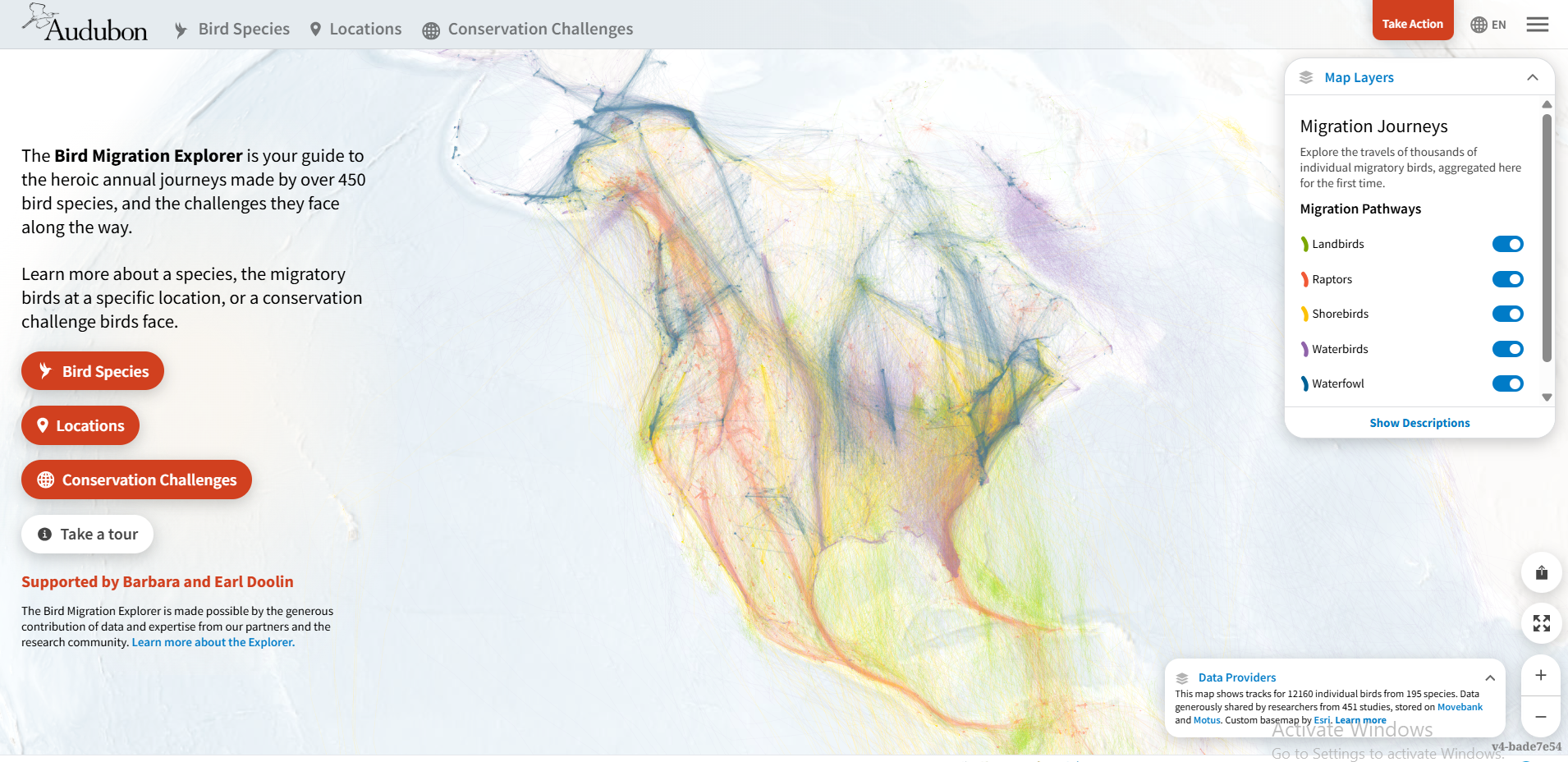
Just as headwaters represent the source of rivers and streams, Alaska is where abundant bird life originates and flows outward across the globe. More specifically, it plays a unique and vital role in the annual journey of migratory birds, serving as the “headwaters” of the Pacific, West Pacific, Midcontinent / Mississippi, Atlantic, and parts of the East Asian-Australasian Flyways. These flyways are vast highways in the sky that birds use to travel between breeding and nonbreeding areas. These important corridors are shaped by geography, wind patterns, food availability, and stopover sites.
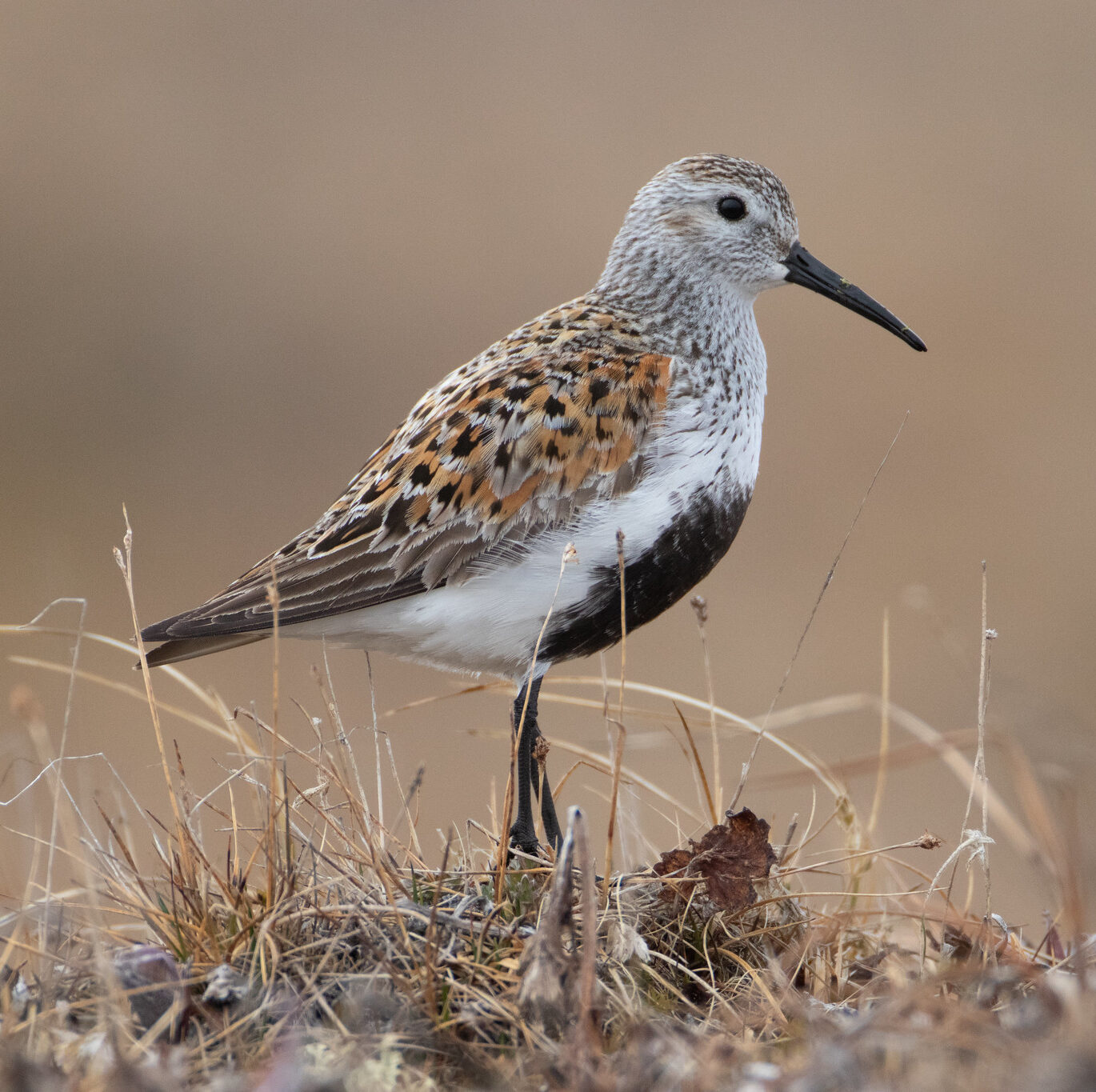
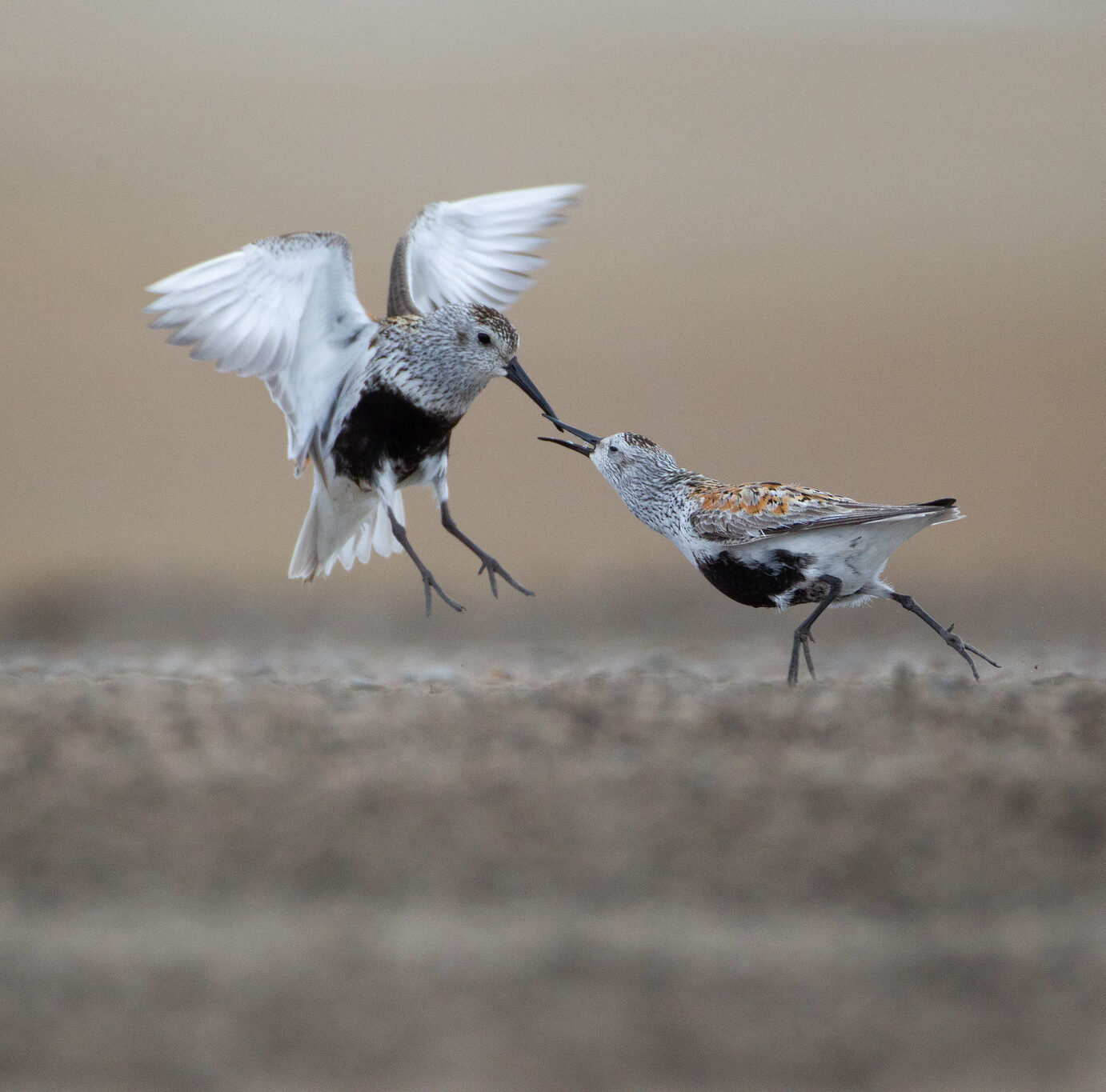
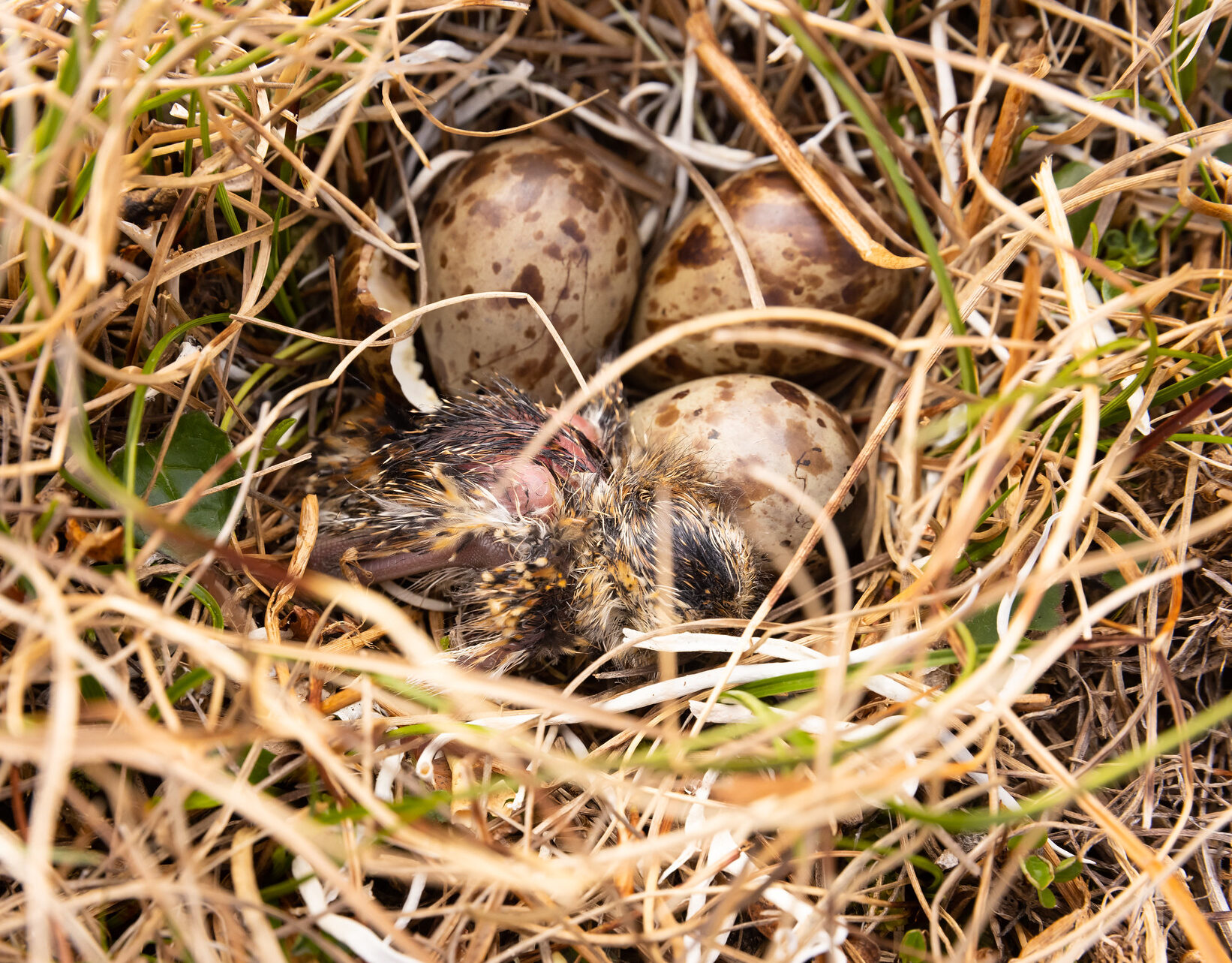
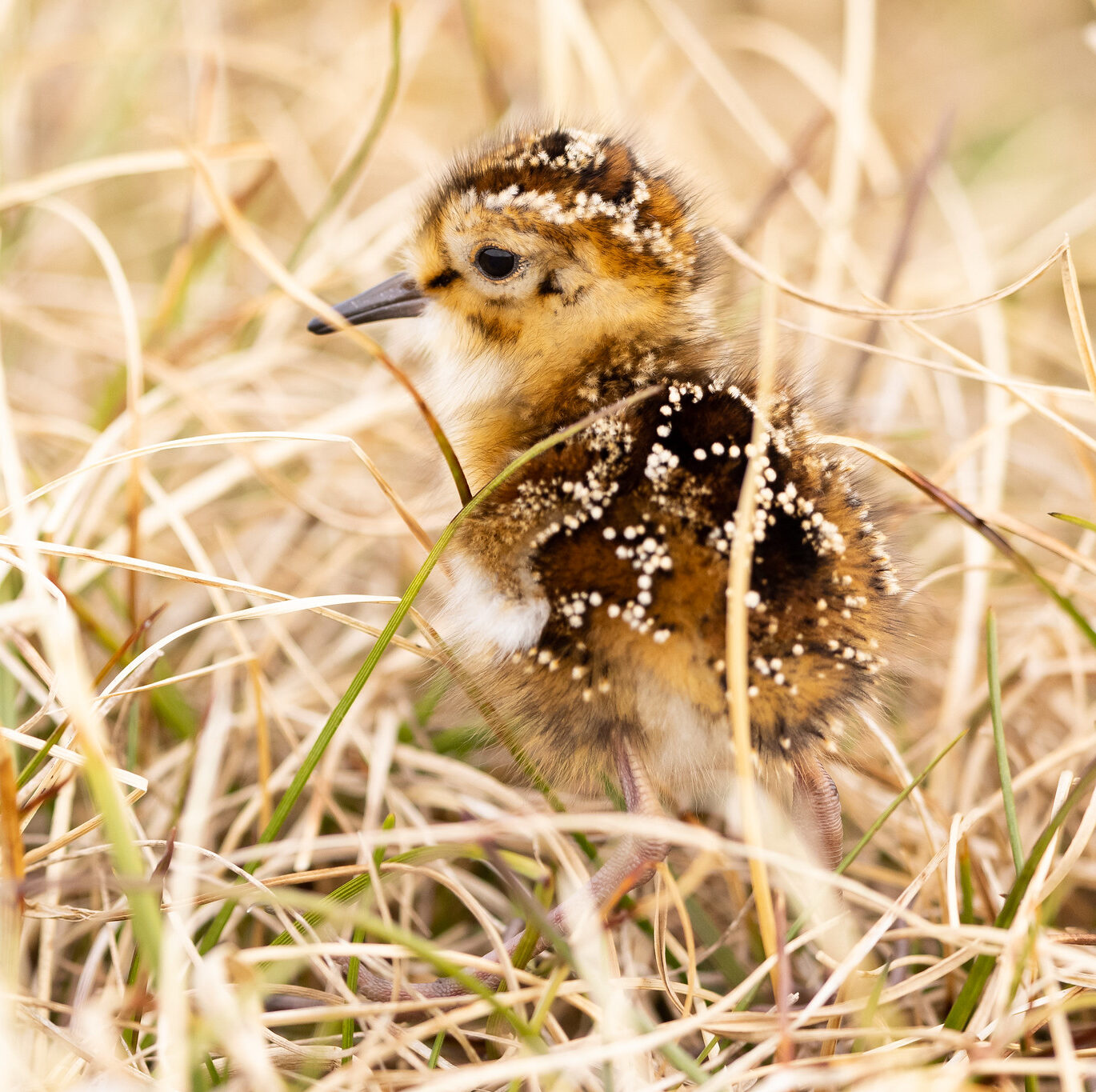
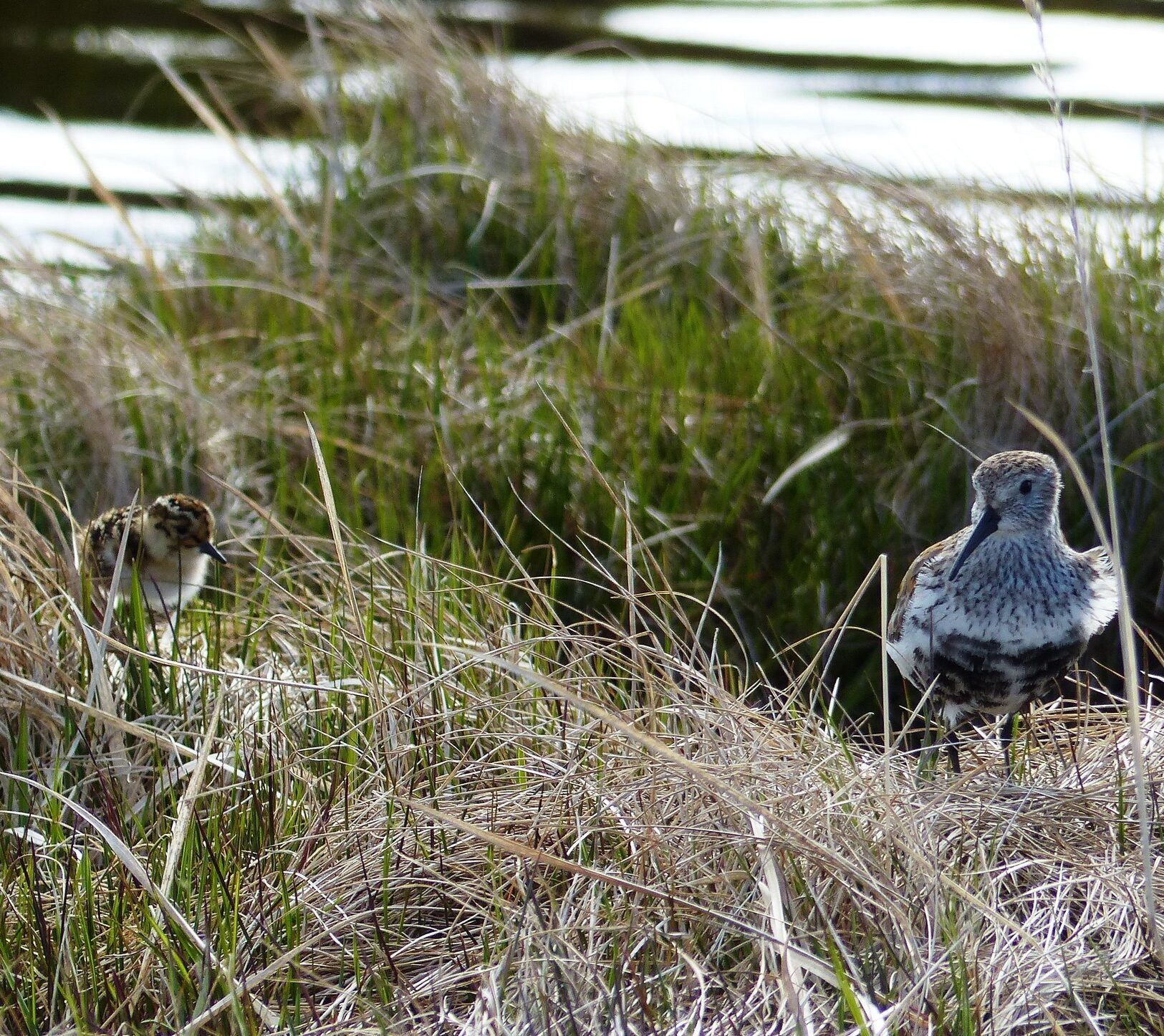
The state’s diverse ecosystems—ranging from Arctic tundra and boreal forests to coastal estuaries and wetlands—offer landscapes that support tiny songbirds like the Yellow Warbler and majestic shorebirds like the Bar-tailed Godwit, which can fly nonstop for more than 7,000 miles from New Zealand to Alaska in just over a week. These habitats are also home to species that only touch ground in the United States at this northern latitude, like the Common Bluethroat.
Downstream Effects
Because so many birds move across the globe and nest in Alaska, what happens in Alaska or anywhere along a birds’ migratory route is not isolated – the effects ripple across ecosystems, continents, and cultures. The effects of habitat loss in one place can be felt and seen across a flyway – from Alaska to Oregon and Washington , as far away as Hawaii and southern Argentina.
Written by Monica Iglecia, U.S. Coordinator of Pacific Birds Habitat Joint Venture