Wetland conservation in Hawaiʻi supports some of the world's rarest waterbirds and provides important ecosystem services for human communities.
Pacific Birds works collaboratively to secure and restore habitats that benefit four Endangered waterbirds and one Threatened goose (nēnē), thirty species of migratory waterfowl, more than thirty species of migratory shorebirds, and a whole host of additional native flora and fauna. The Hawaiʻi Wetlands Committee and our Strategic Plan for Hawaiʻi Wetlands guide our work in Hawaiʻi.
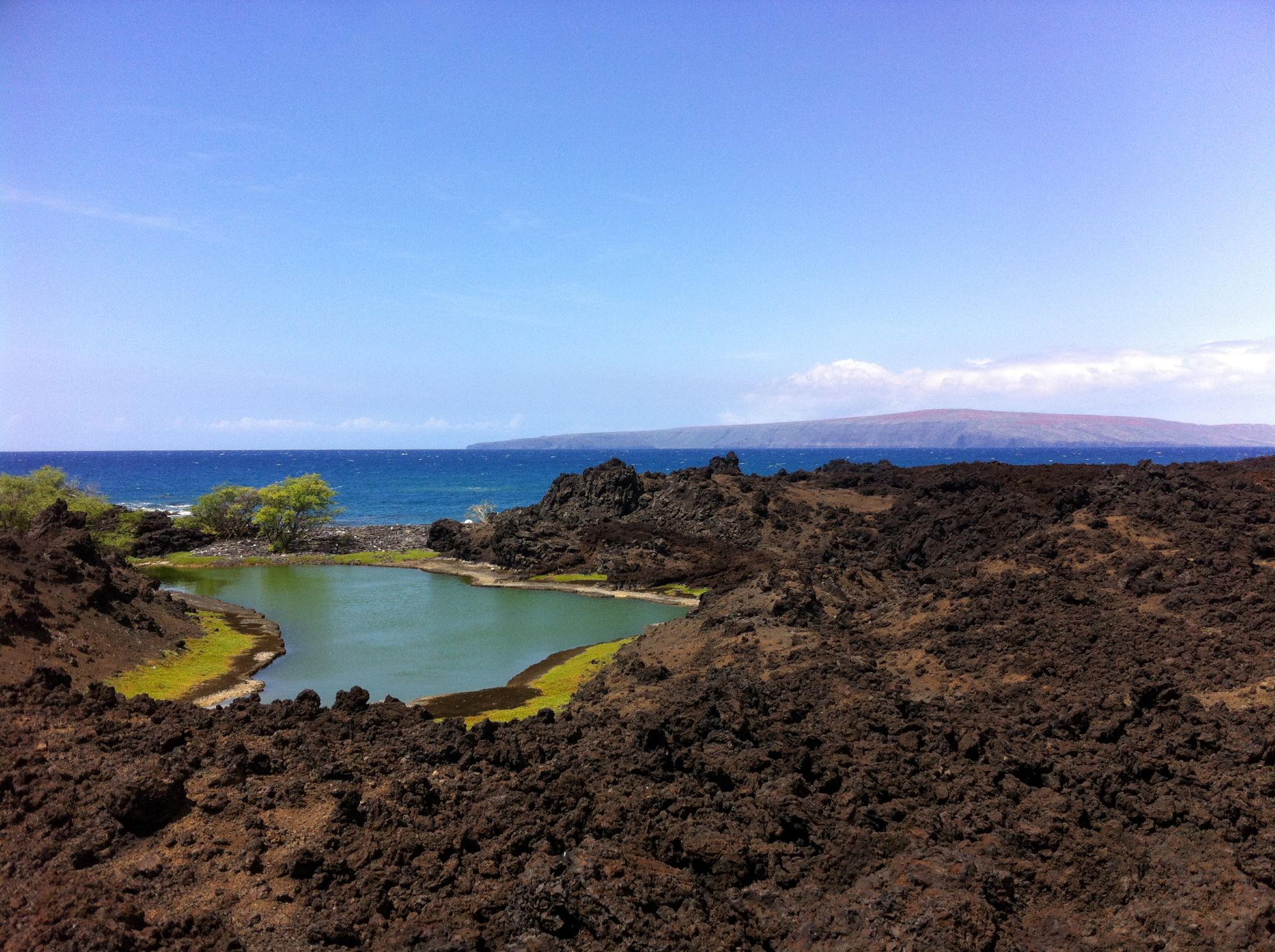
Pacific Birds is working to restore and conserve healthy and climate-resilient wetland habitats across the Hawaiian Islands by:
- Building and maintaining effective partnerships.
- Supporting partners through networking, communications, and sourcing funding to achieve collective conservation goals.
- Increasing the resilience of coastal wetlands in the face of climate change by ensuring that conservation planning accounts for expected climate impacts and by increasing opportunities to include wetlands as nature-based solutions for climate change impacts.
The Case for Conservation
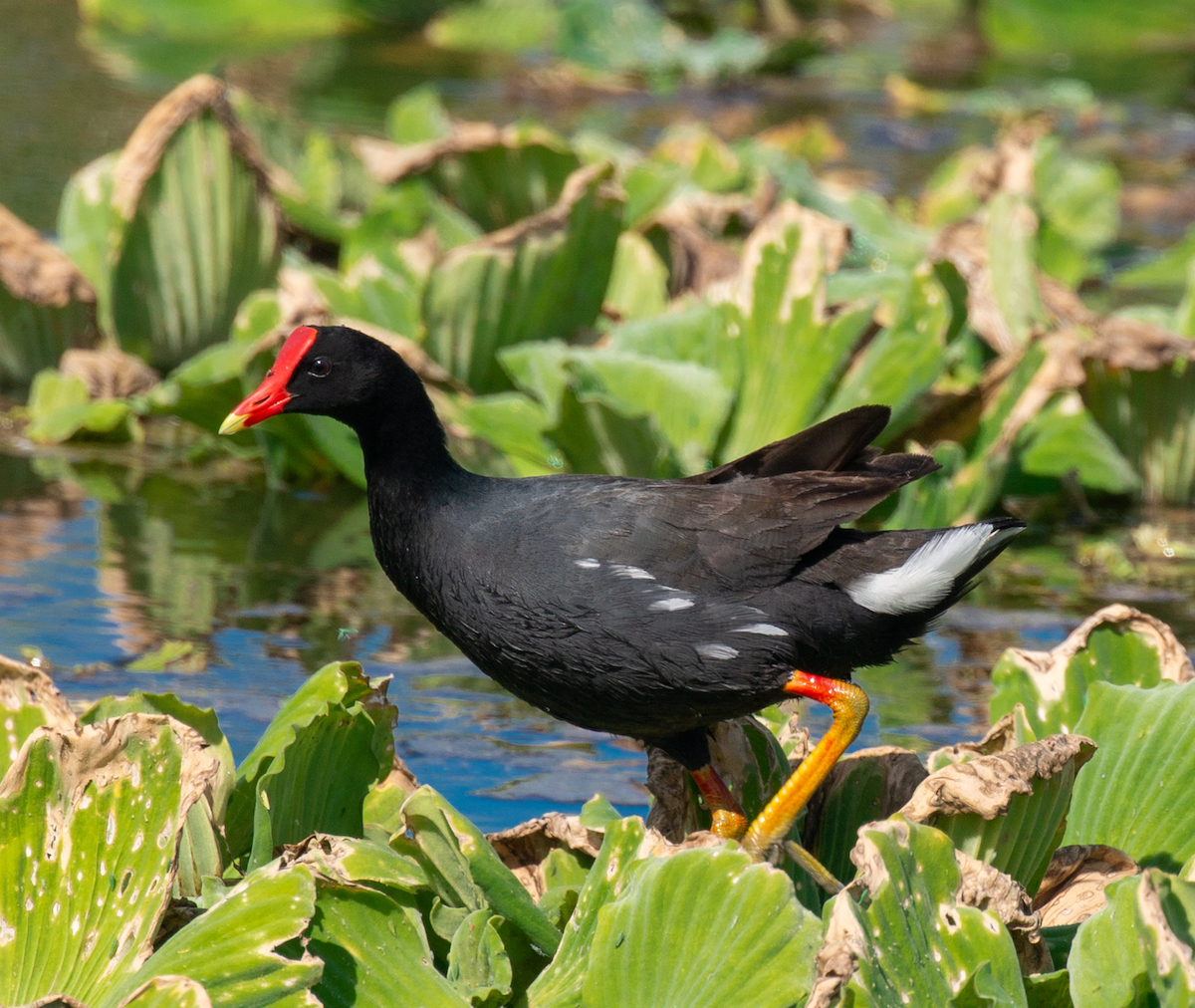
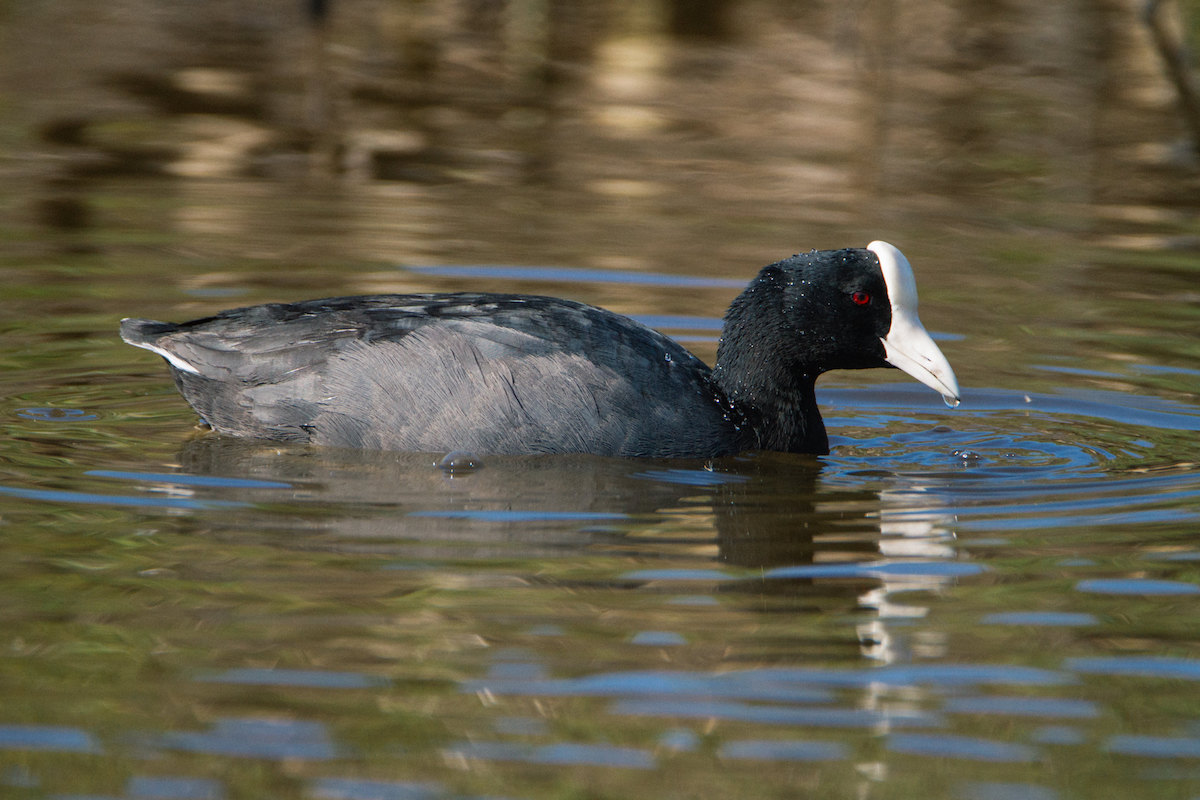
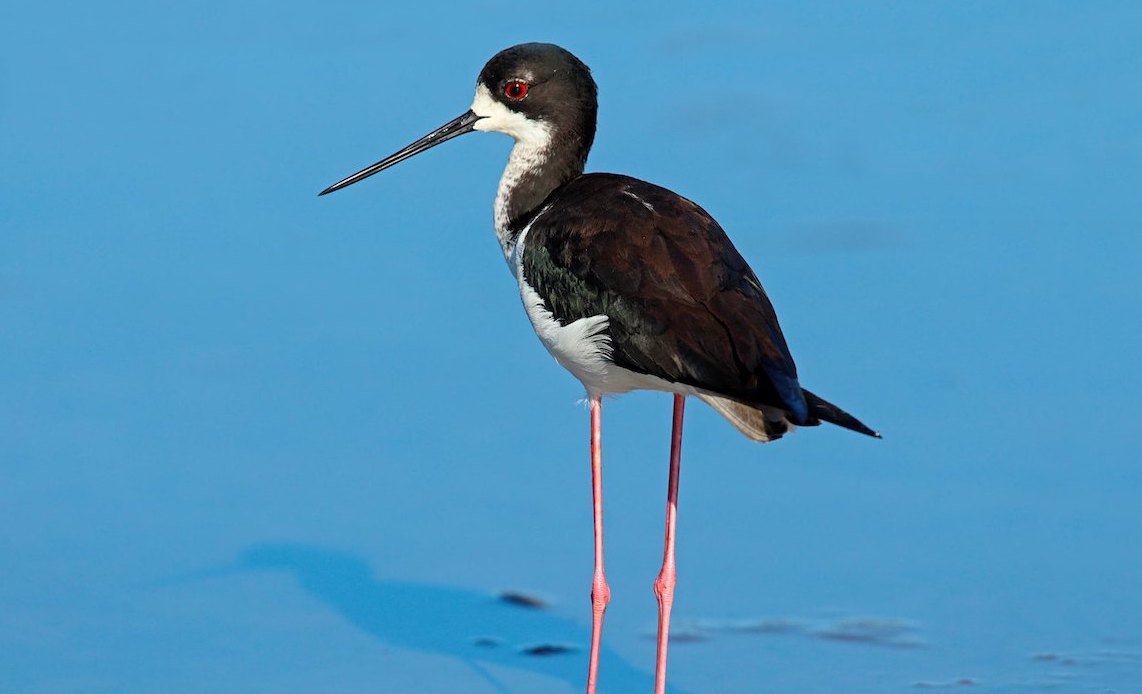
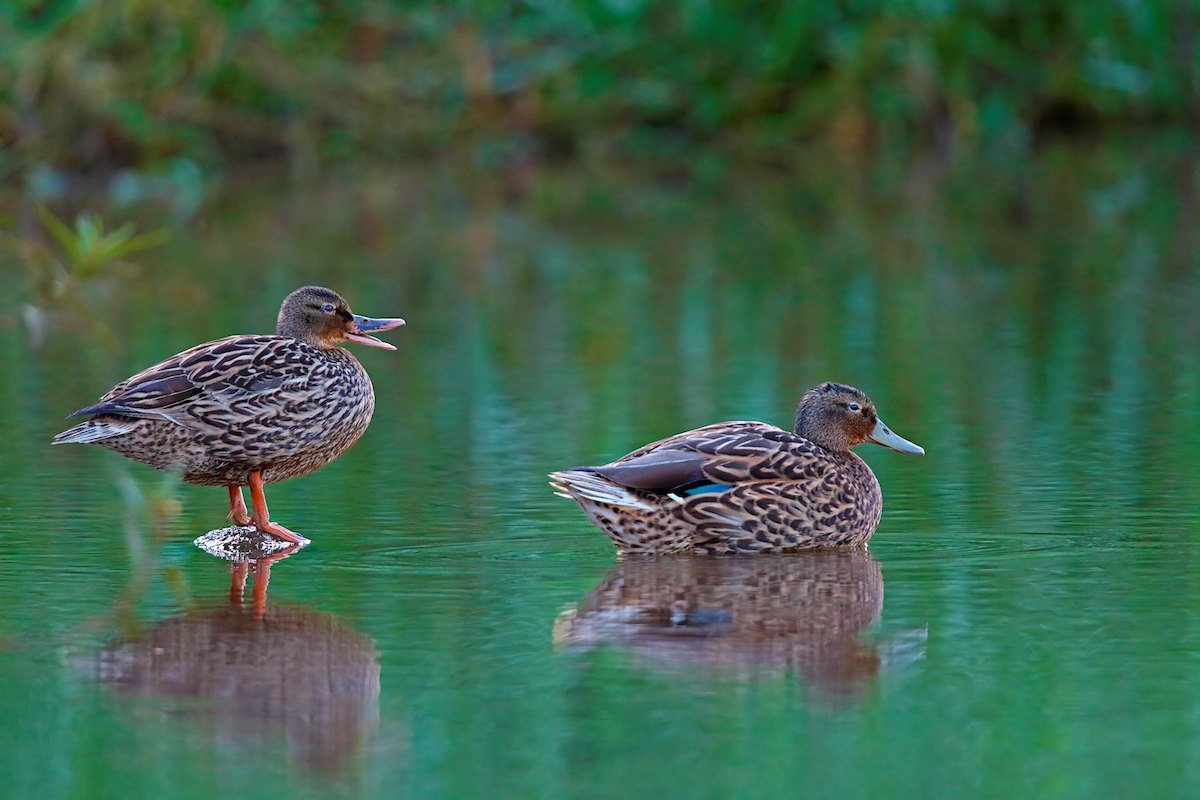
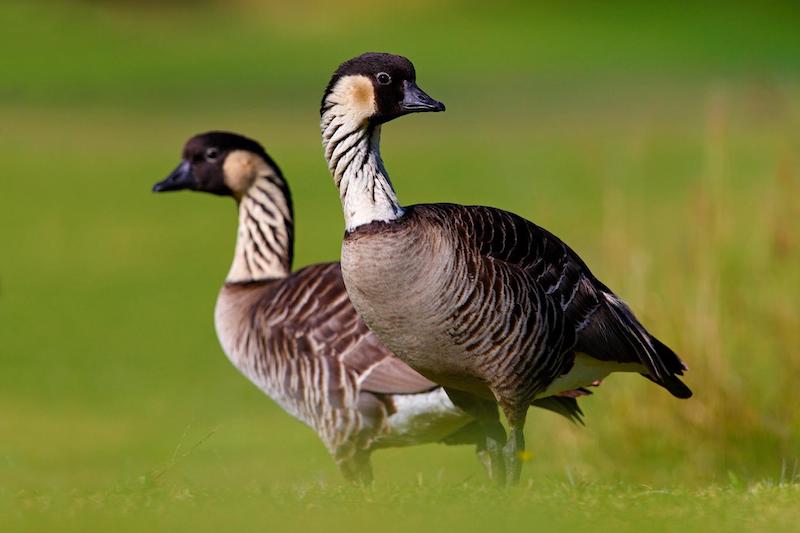
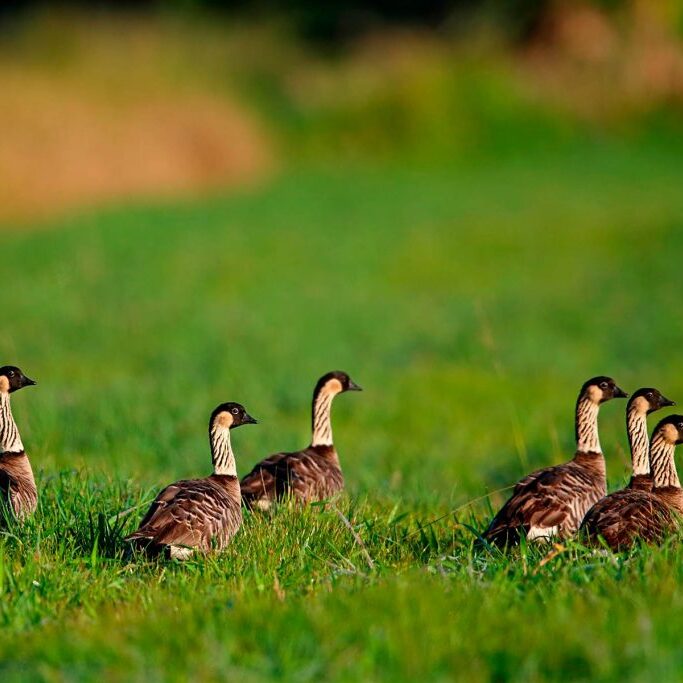
The five native wetland birds shown below are found only in the Hawaiian Islands, in addition to the 30 species of migratory waterfowl and more than 30 species of migratory shorebirds that rely on Hawaiʻi’s wetland habitats.
- ʻAlae ʻula or Hawaiian common gallinule (Gallinula galeata sandvicensis)
- ʻAlae keʻokeʻo or Hawaiian coot (Fulica alai)
- Aeʻo or Hawaiian stilt (Himantopus mexicanus knudseni)
- Koloa maoli or Hawaiian duck (Anas wyvilliana)
- Nēnē or Hawaiian goose (Branta sandvicensis)
Threats to them include introduced predators; habitat loss; hydrologic changes; loss of wetlands connectivity; pollution; invasive species; and diseases such as botulism. Our work in Hawaiʻi aims to raise awareness about the cultural and ecological value of these species and the importance of protecting places they rely upon.
Wetlands are the final line of defense to capture sediment, nutrients, and pollutants, and absorb flood events, and coastal surges that would otherwise harm communities and habitats. A relatively small wetland can help capture and slow the release of flood water, helping protect property and infrastructure. Wetlands also reduce the impact of storm surges on the coast, protecting the land, people, and wildlife.
Communities in Hawaiʻi are vulnerable to the effects of climate change. Towns are commonly connected to essential services by single roads, which often run along the coast. Flash flooding and severe weather cause catastrophic impacts on community access and safety, and impact food supplies. The people of Hawaiʻi have a long tradition of managing and maintaining wetlands for food and other needs, in addition to adapting to localized changes. With the right support, communities can draw on this history to use wetland restoration as a nature-based solution.
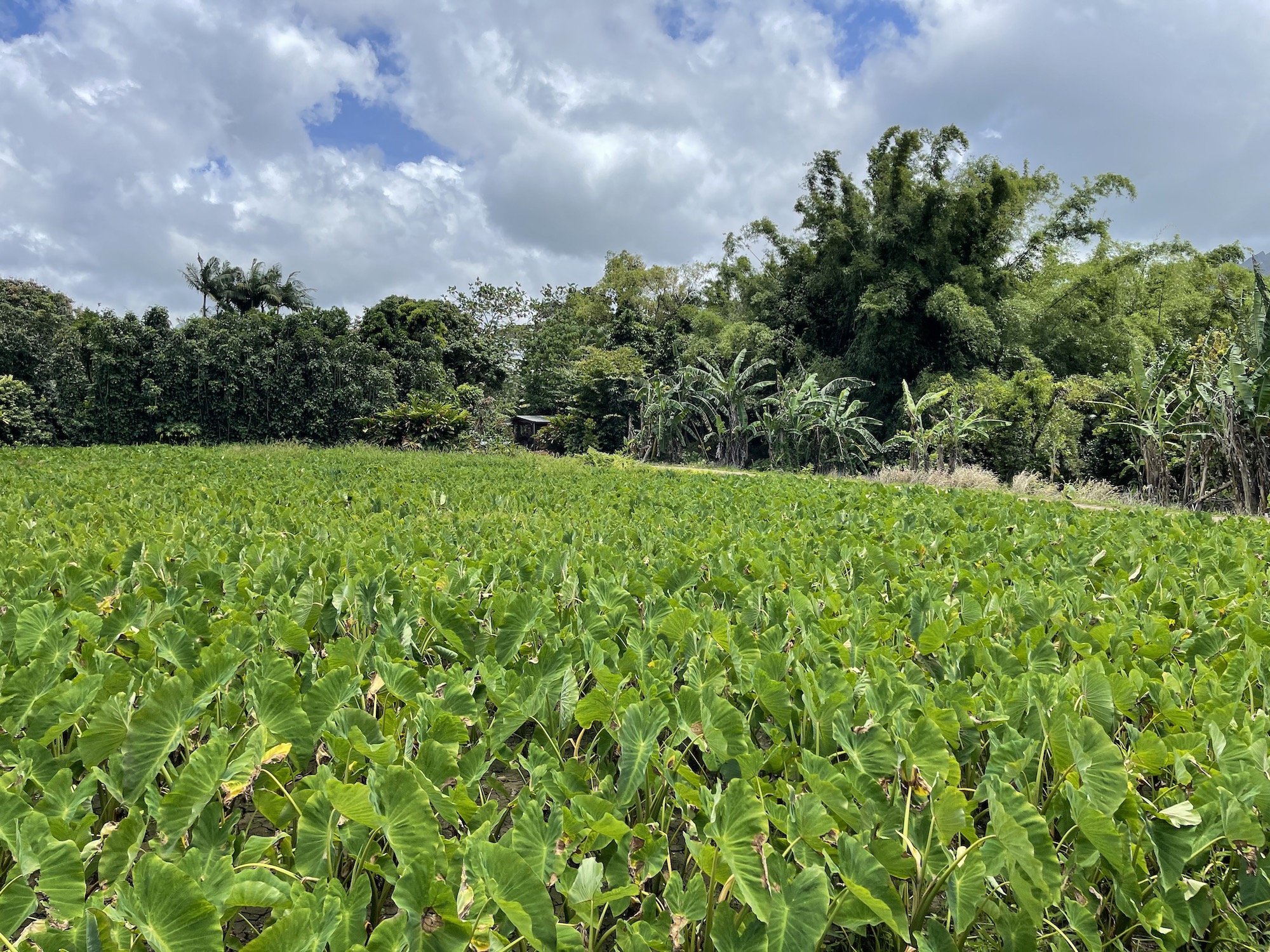
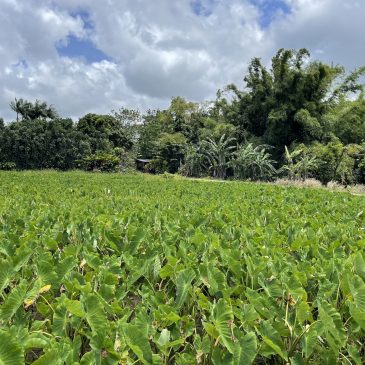
Loʻi kalo (taro pondfields) and loko iʻa (Hawaiian fishponds), along with lotus, watercress, shrimp, ogo, sea asparagus, and other crops can provide similar habitat to natural wetlands for waterbirds while producing sustainable food for local communities and, in some cases, provide an important source of economic revenue.
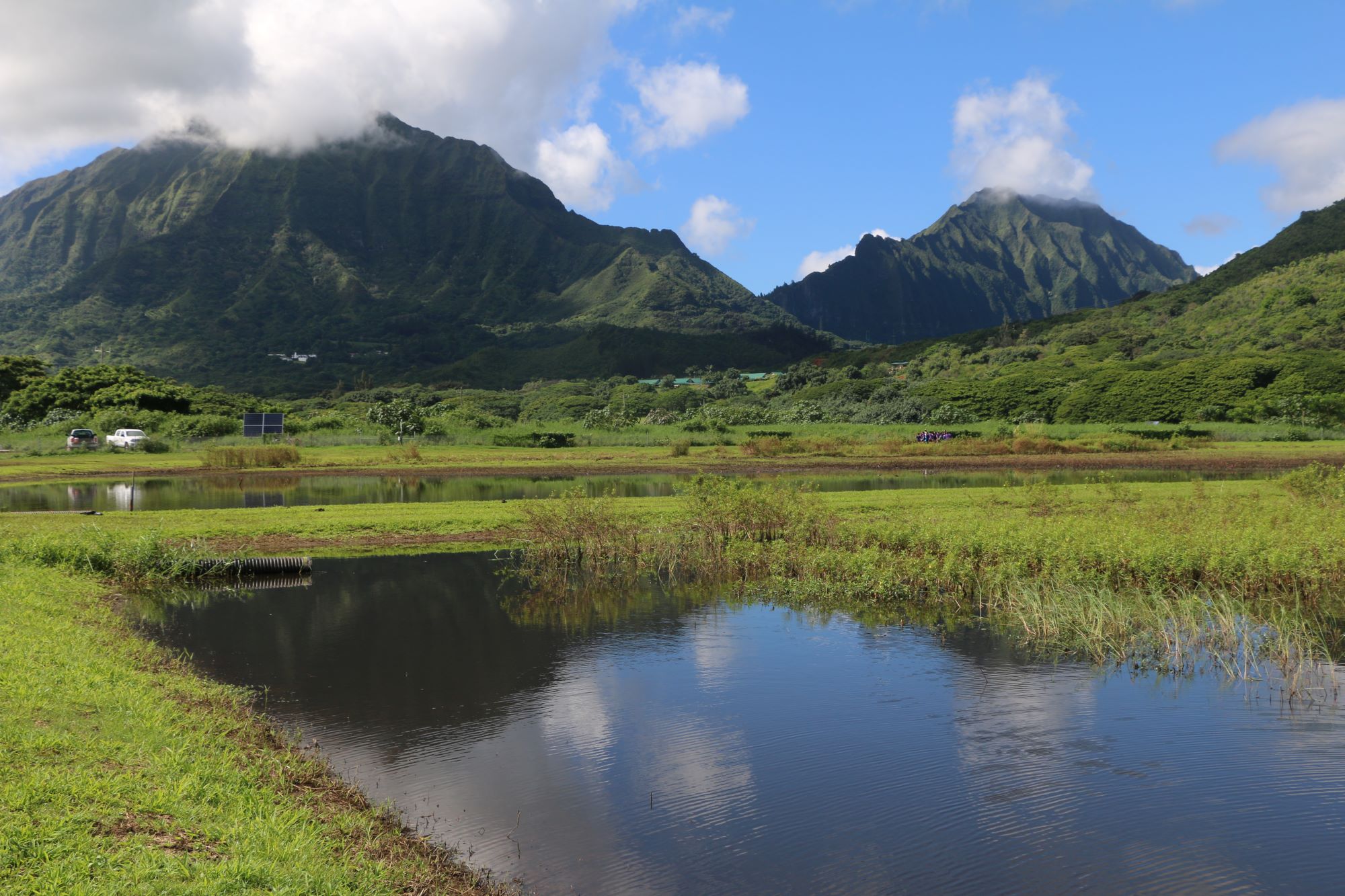
Priority Habitats
These focal habitats were selected as priorities based on a series of criteria including their ability to provide habitat for Threatened and Endangered waterbirds, their climate resilience, and their benefit to communities. Wetland habitats were defined by the revised coastal wetland classifications outlined in Drexler et al. (2023), based on Erickson and Puttock (2006).
Habitats and Land Uses:
- Mudflats
- Lowland swamps
- Coastal shrub wetlands
- Coastal fens
- Herbaceous marshes
- Estuarine and intertidal wetlands
- Lakes
- Reservoirs
- Indigenous agroecology, particularly loʻi kalo (taro pondfields) and loko iʻa (Hawaiian fishponds)
- Flooded aquaculture (e.g. shrimp or lotus farms)
Strategies for Hawai‘i Wetlands
Pacific Birds benefits from the expertise and dedication many collaborators through the Hawaiʻi Wetlands Commmittee. We have worked with this committee and other partners to identify key strategies that address specific threats and challenges to Hawaiʻi’s wetlands. View a full list of Hawaiʻi Wetlands Committee members here.
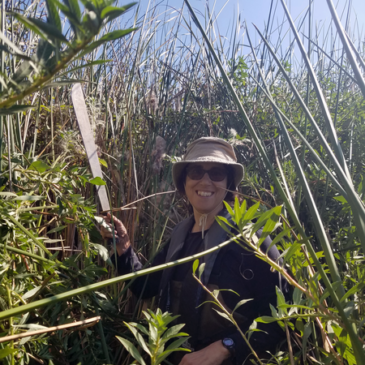

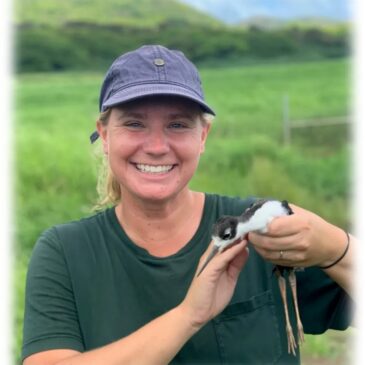
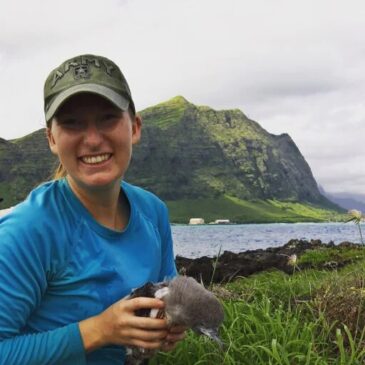
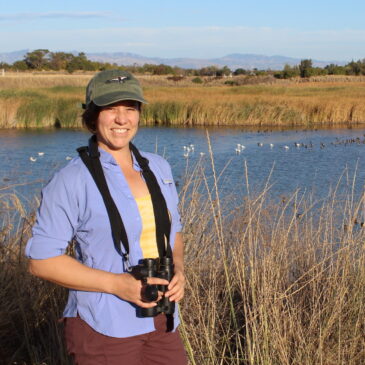

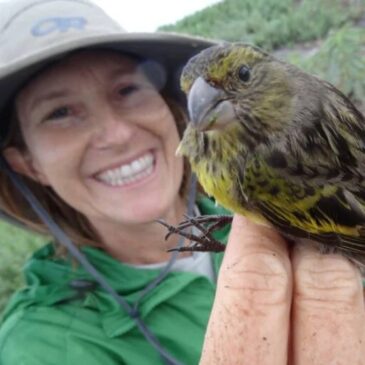



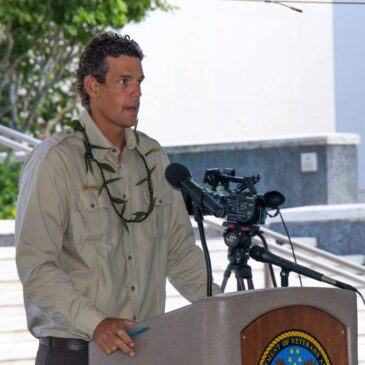
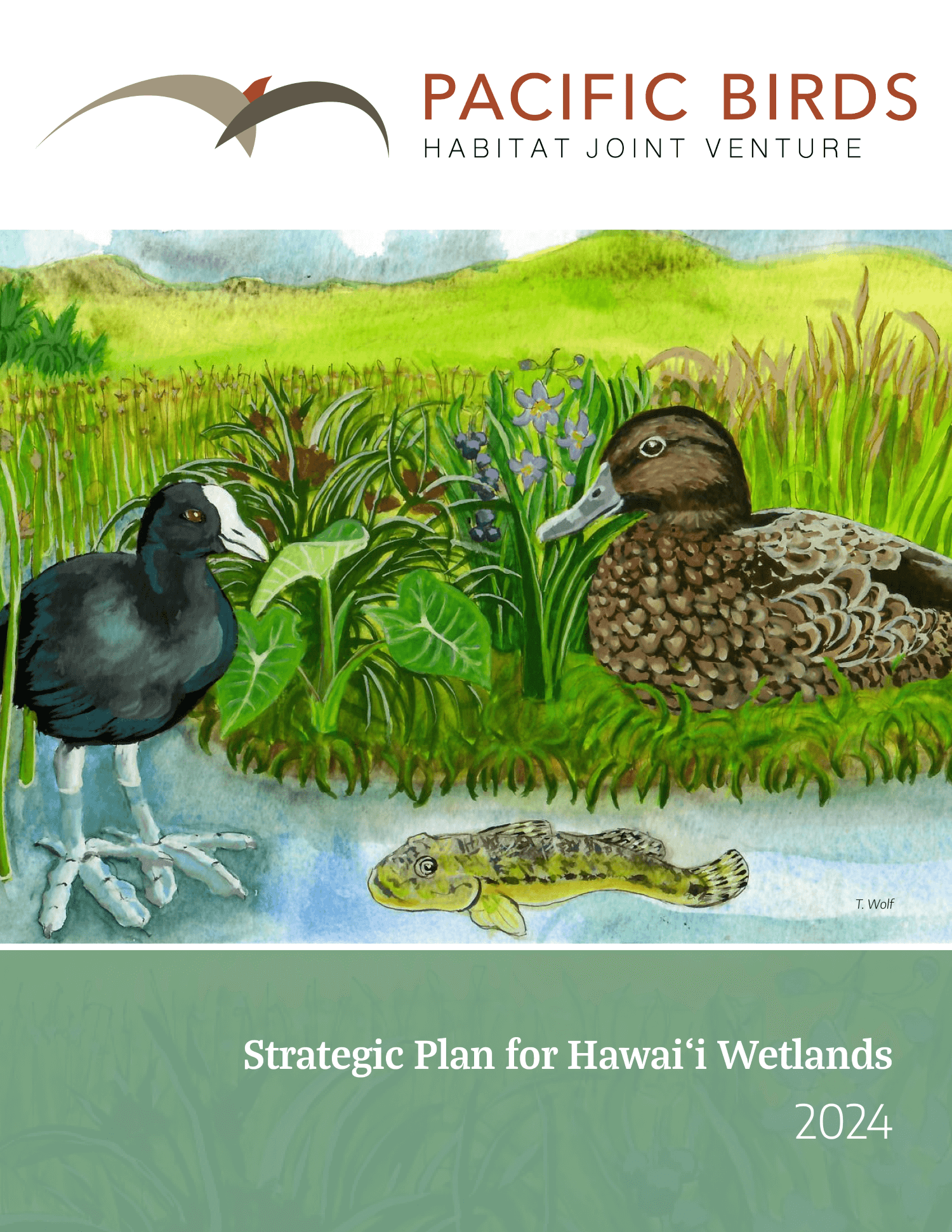
The 2024 Strategic Plan for Hawaiʻi Wetlands aims to guide the effective protection, restoration, and management of wetlands in Hawaiʻi for the benefit of Threatened and Endangered (T&E) waterbirds, migratory shorebirds and waterfowl, human communities, ecosystems, and climate resilience. It prioritizes wetland sites and conservation actions to improve habitats for waterbirds and people, based on current and future conditions. It also includes detailed site narratives on wetlands sites across the state.
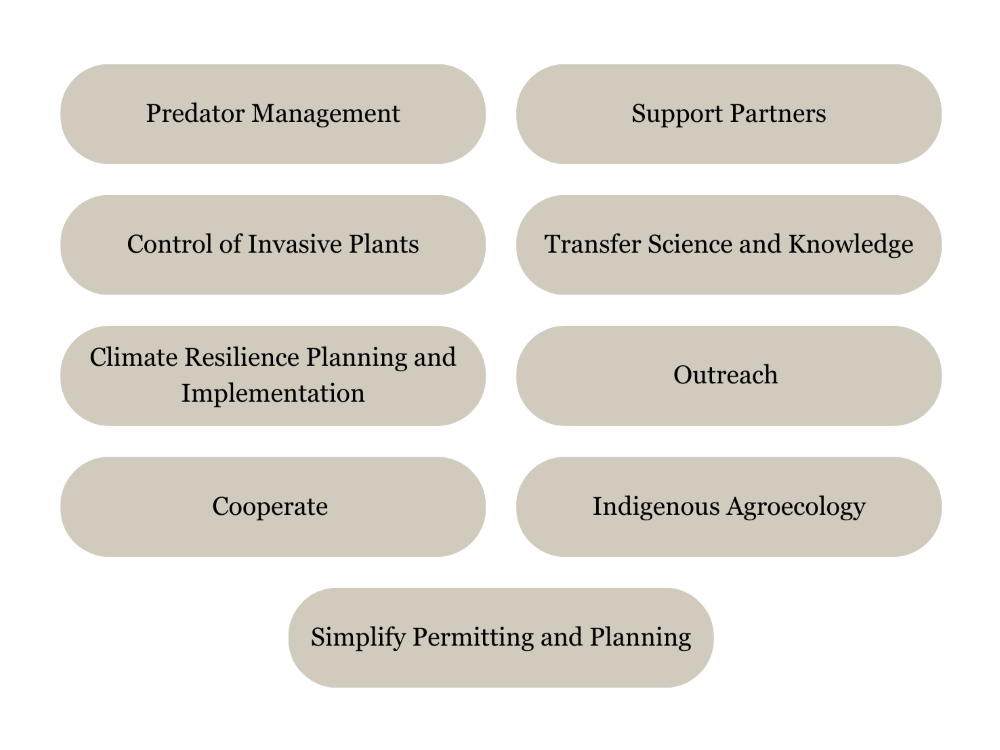
The scope and scale of conservation actions needed require the implementation of multiple strategies across the state by a diverse collaboration of partners. Strategies appear in order of rank.
Partnerships in Action
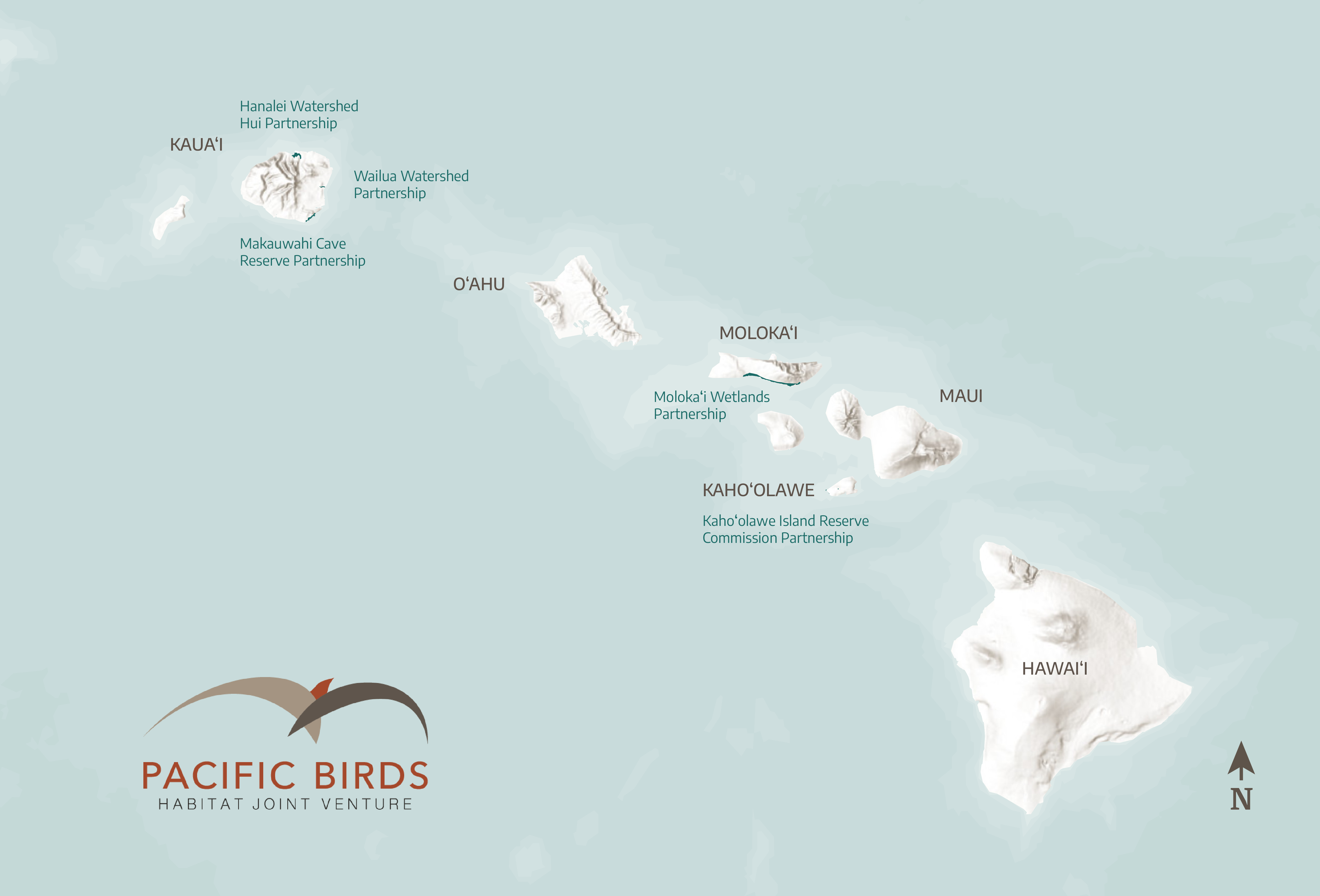
Pacific Birds participates in, supports, and works with partnerships across the Hawaiian Islands. We are:
- Building partnerships such as the Molokaʻi Wetland Partnership.
- Supporting partners with capacity building, finding funding, and strategic planning. We are a point of contact for NAWCA grants, support USFWS with their NCWCG program, provide a small grants program, and provide technical advice and support to partners applying for wetland conservation funding.
- Hosting the Statewide Wetland Group, a biannual meeting for anyone with an interest in wetlands and waterbirds. Our mailing list also provides news and information regularly. To sign up for both, email our Hawaiʻi Conservation Coordinator Helen Raine at helen_raine@pacificbirds.org.
- Organizing learning opportunities such as workshops around wetland and waterbird conservation, outreach at the state and national levels, and coordinating wetland actions across the state of Hawai‘i.
Explore Projects
EXPLORE HAWAIʻI WETLANDS PROJECTS Celebrating the ʻAlae ʻUla
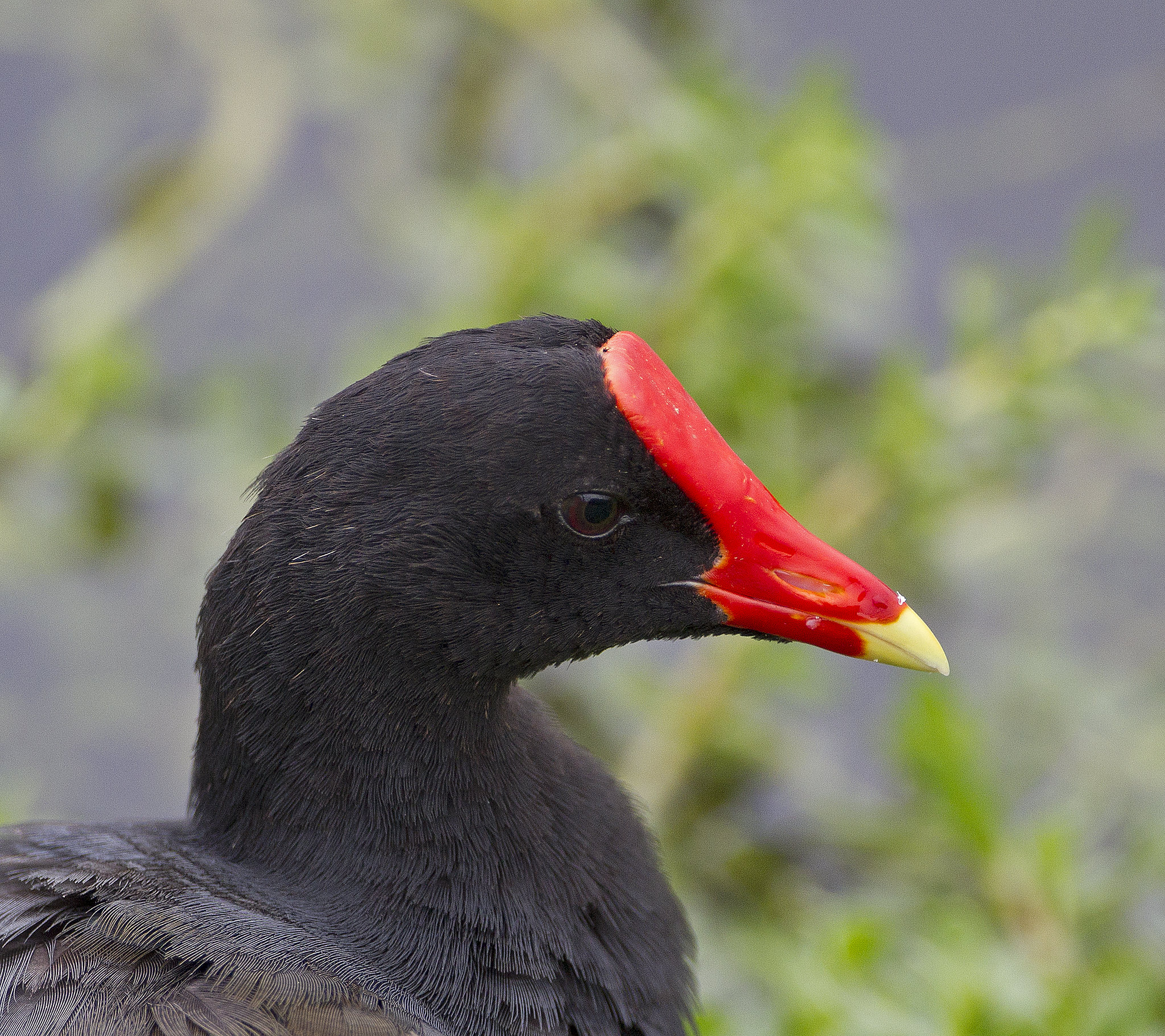
In 2026, Pacific Birds is leading a campaign to celebrate the ʻalae ʻula. There are just 712 of these waterbirds left. Although they are endemic to Hawaiʻi, they have been lost from all of the islands except Kauaʻi and Oʻahu. The good news is that we know what these birds need! High quality wetlands, thriving and expansive loʻi kalo, and spaces that are safe from predators like cats, dogs, rats, and pigs.

Contact Us about Hawaiʻi Wetlands:
Helen Raine, Hawaiʻi Wetlands Coordinator
Recent News About Hawaiʻi Wetlands