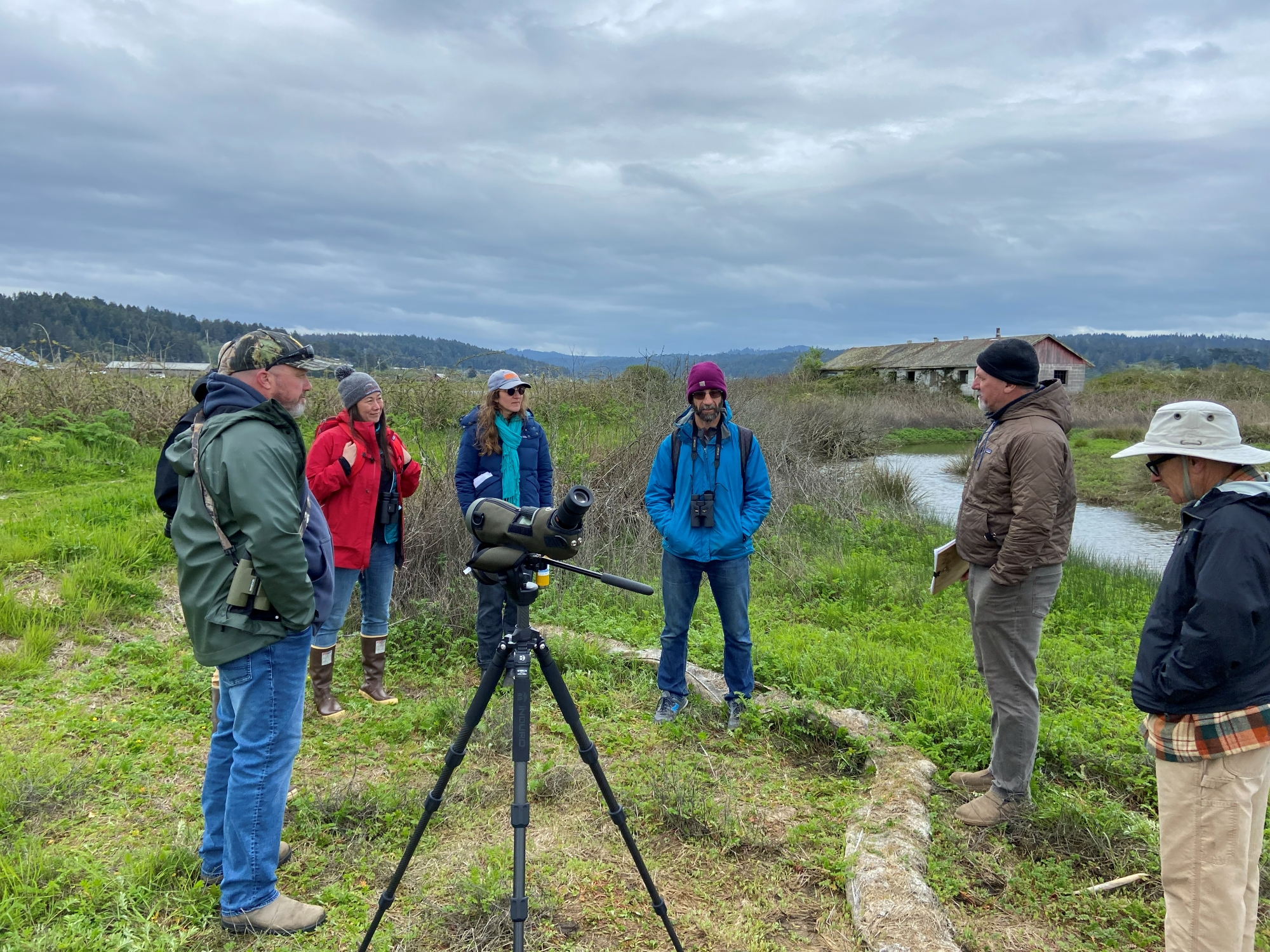
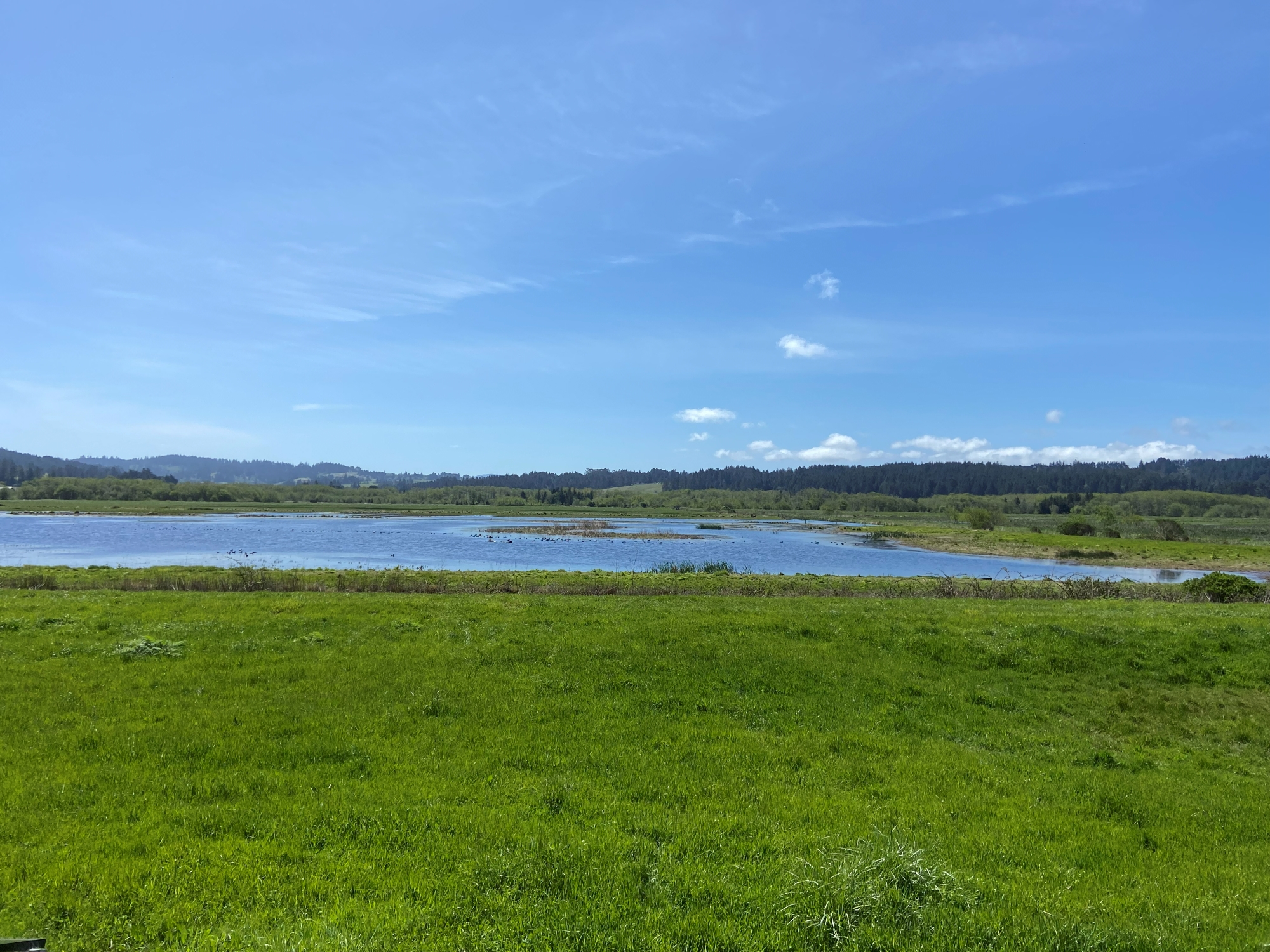
Major habitat restoration work is underway at the Elk River Estuary, which is part of the Humboldt Bay Complex in Northern California just south of Eureka. One 114-acre parcel has already been restored by the City of Eureka. Just upstream, CalTrout and partners are leading a broader 857-acre effort that will improve habitat for migratory birds and salmon. Restoration design and acquisition are ongoing for other parcels in the planning area, with additional construction planned for 2026.
Pacific Birds is excited to highlight this incredible story from our partners! This blog post was written in collaboration with Michael Bowen of the California State Coastal Conservancy.
These restoration projects in the Elk River Estuary were led by the City of Eureka and CalTrout, but were collaboratively grant-funded by many Pacific Birds partners with contributions from California State Coastal Conservancy, U.S. Fish and Wildlife Service, National Fish and Wildlife Foundation, Ocean Protection Council, and others. Pacific Birds supported the project by providing technical assistance for grant applications, including helping partners navigate restoration design to maximize benefits to birds in addition to salmonids.
This case study shows the power of collaborative conservation, with partners from all levels of government (including Tribes) plus private landowners and non-profit organizations working together to bring the Elk River back to life. It demonstrates how much a landscape can transform, for the betterment of all living things, when humans pay respect to the land and the plants and wildlife that inhabit it.
The Humboldt Bay Complex: A Site of Hemispheric Importance
The Humboldt Bay Complex has been designated a Site of Hemispheric Importance by the Western Hemisphere Shorebird Reserve Network (WHSRN), and a Global Important Bird Area (IBA) by BirdLife International. It contains the largest bay between San Francisco in California and Coos Bay in Oregon, as well as the delta wetlands of three rivers – the Elk River, the Eel River, and the Mad River. In addition, the Complex has the largest eelgrass beds between Willapa Bay in Washington and Baja California in Mexico. The site’s rich diversity of habitats also includes salt marshes, sand dunes, palustrine and riverine wetlands, and seasonally flooded agricultural fields.
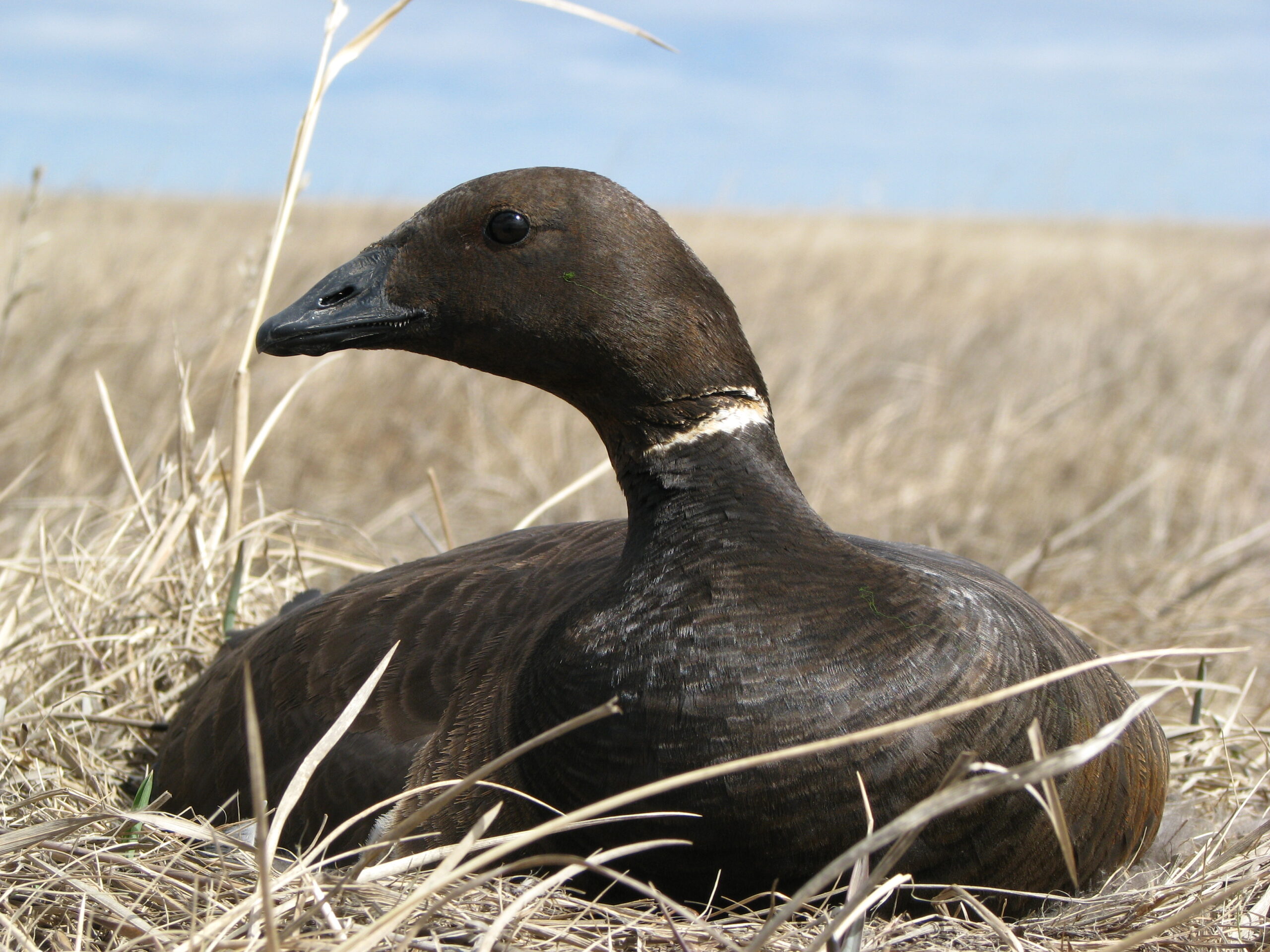
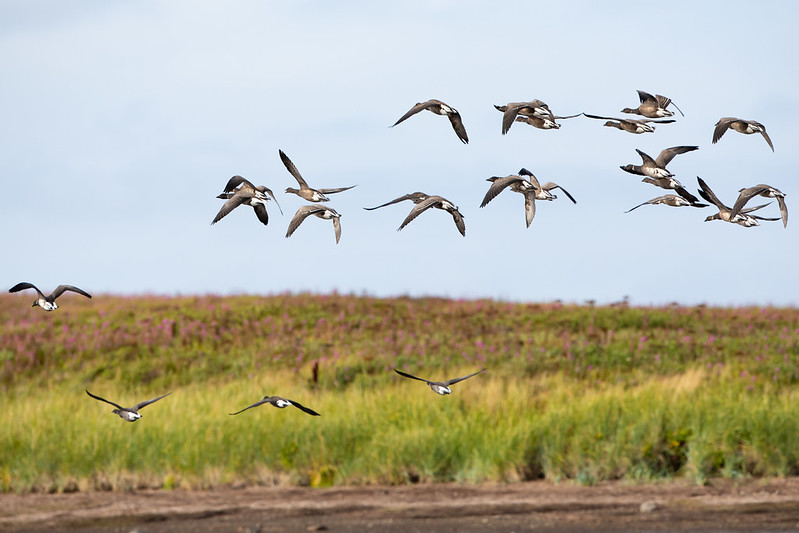
According to WHSRN, over 325 species of birds have been found within the Humboldt Bay Complex, including approximately 30 species of waterfowl and 50 species of shorebirds. The eelgrass beds and invertebrate-rich tidal mudflats provide food for the hundreds of thousands of shorebirds and waterfowl that migrate through Humboldt Bay, especially Pacific Black Brant (Branta bernicla nigricans). In addition to birds, this site is home to salmonids – including three species listed as threatened under the Endangered Species Act, as well as Dungeness crab (Metacarcinus magister) and the endangered tidewater goby (Eucyclogobius newberryi).
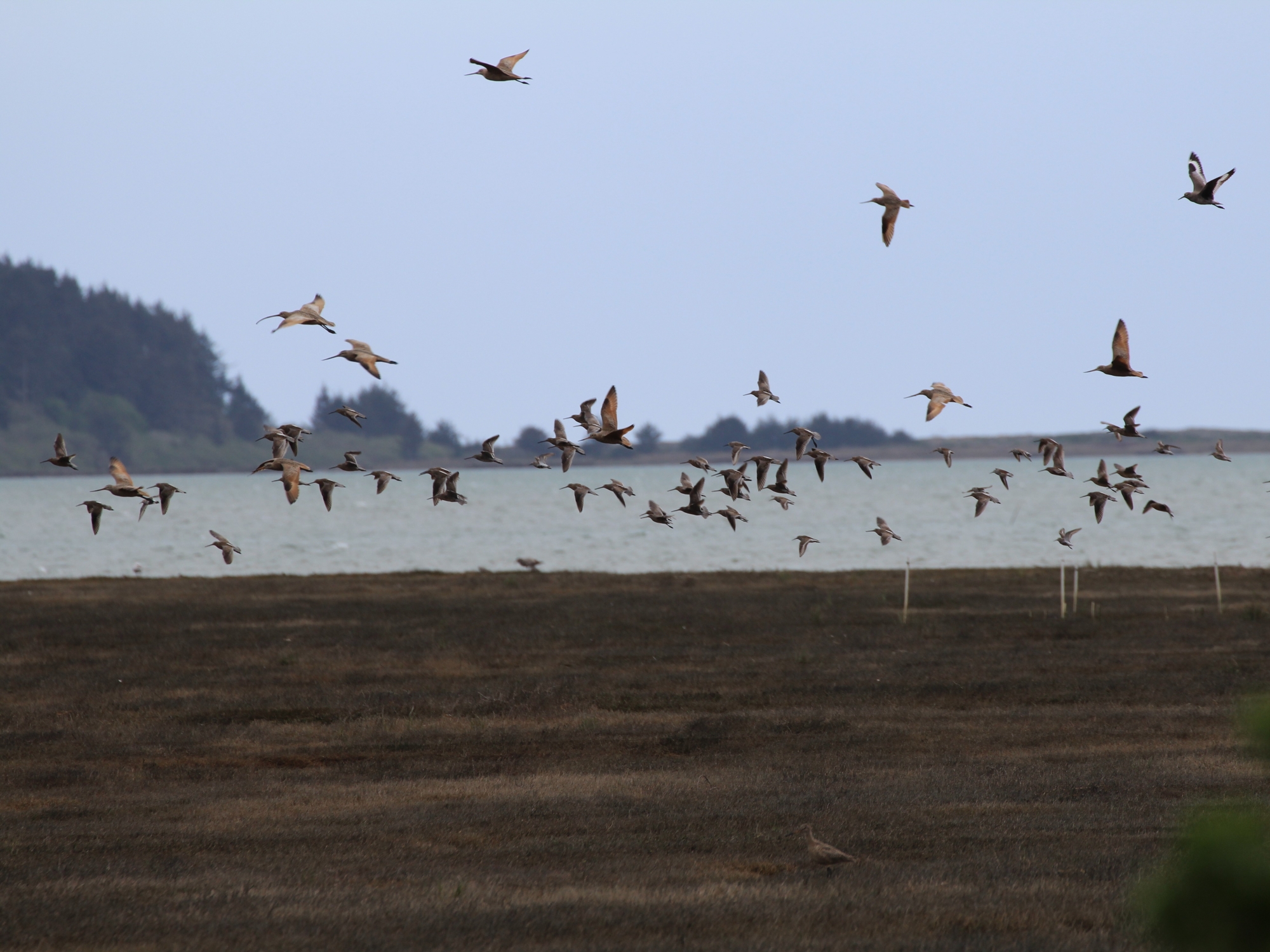
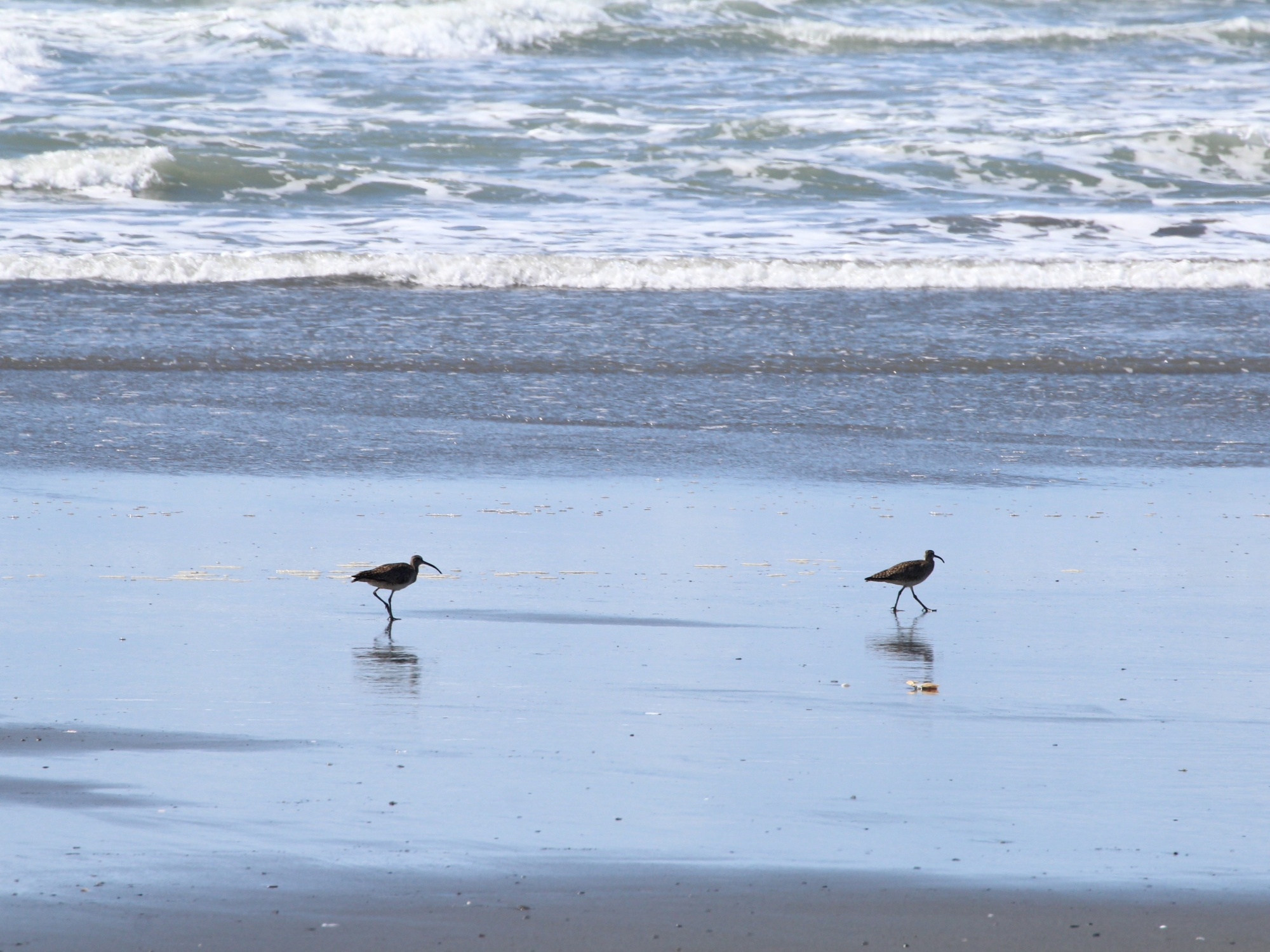
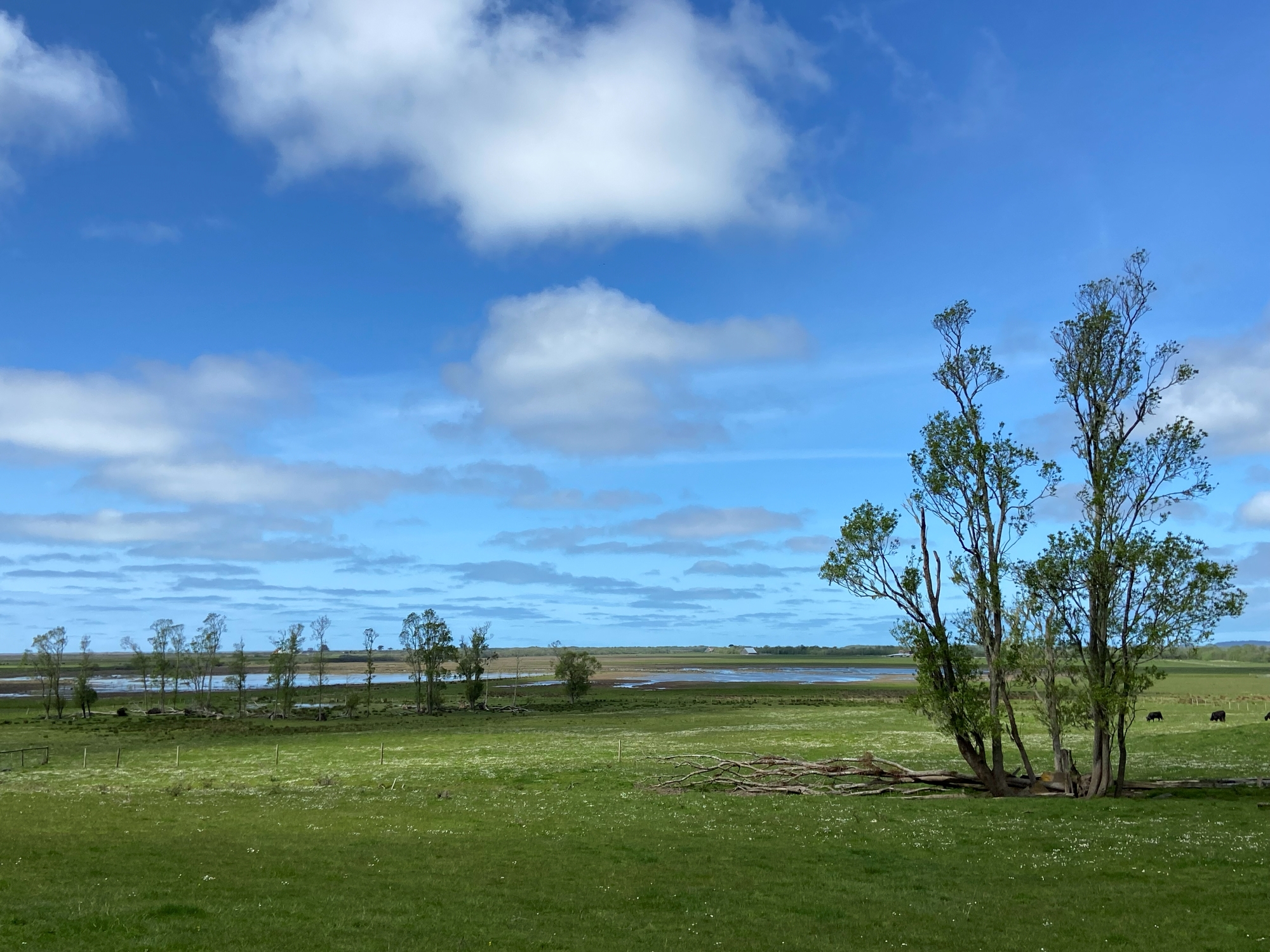
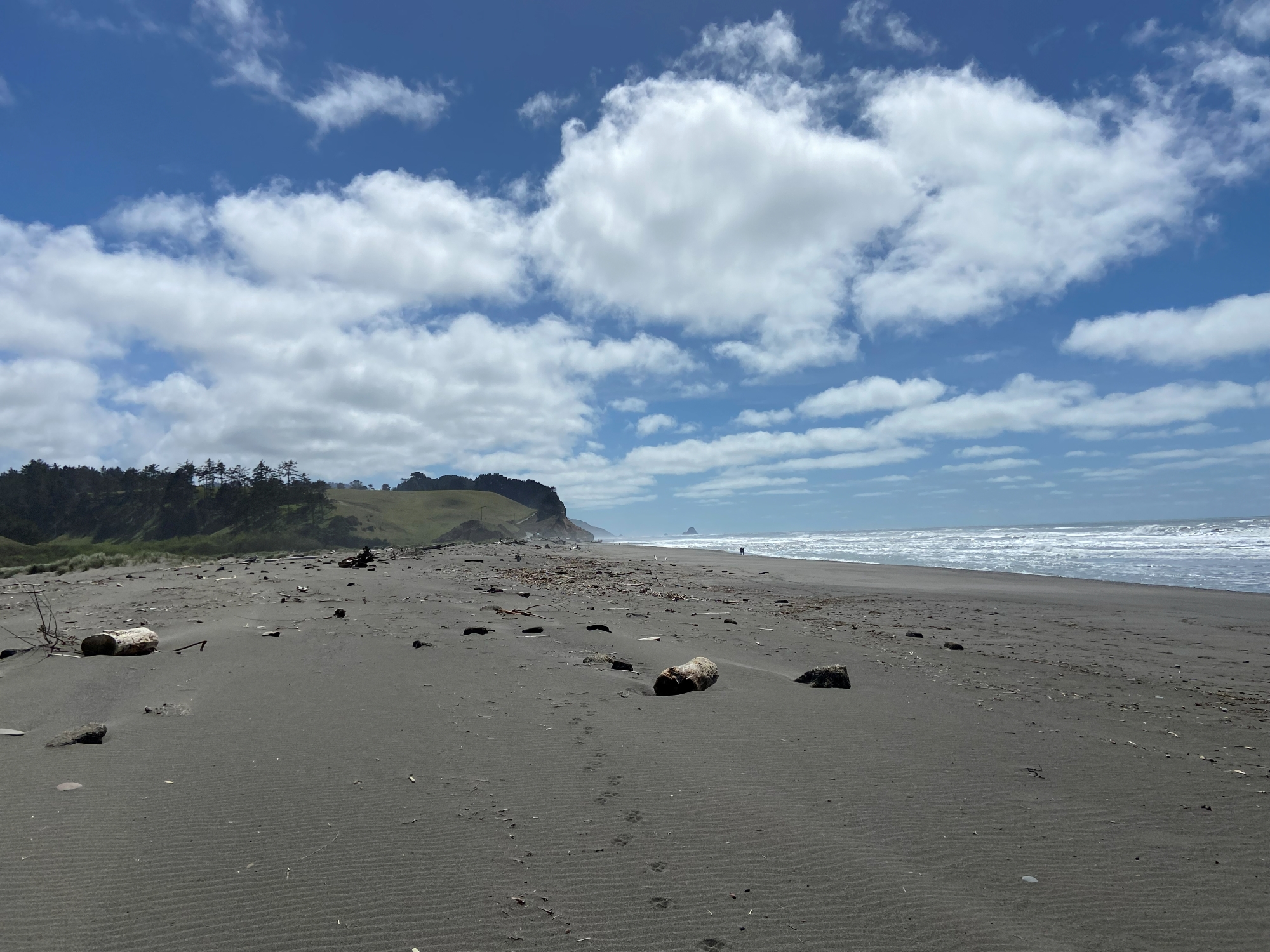
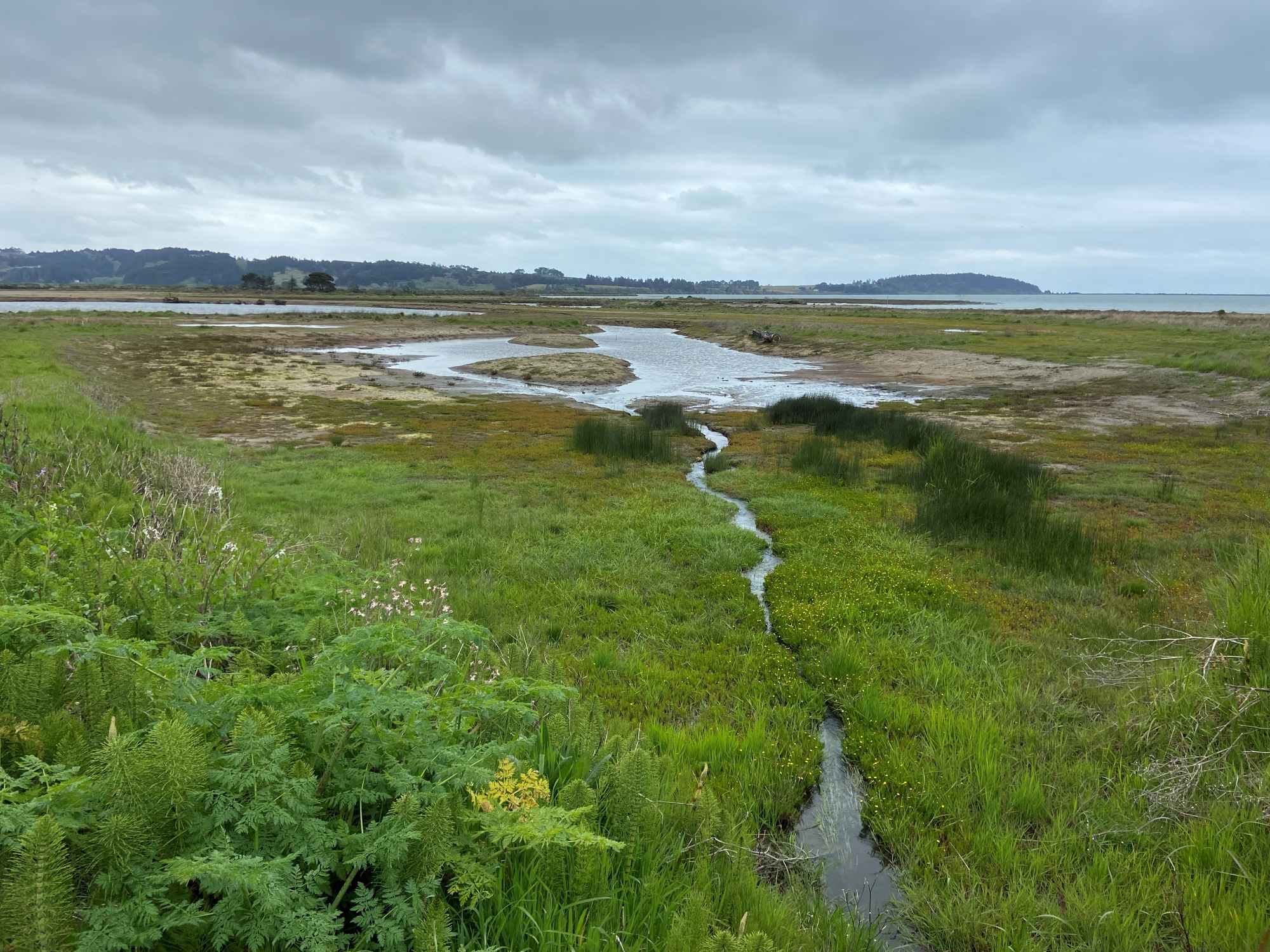
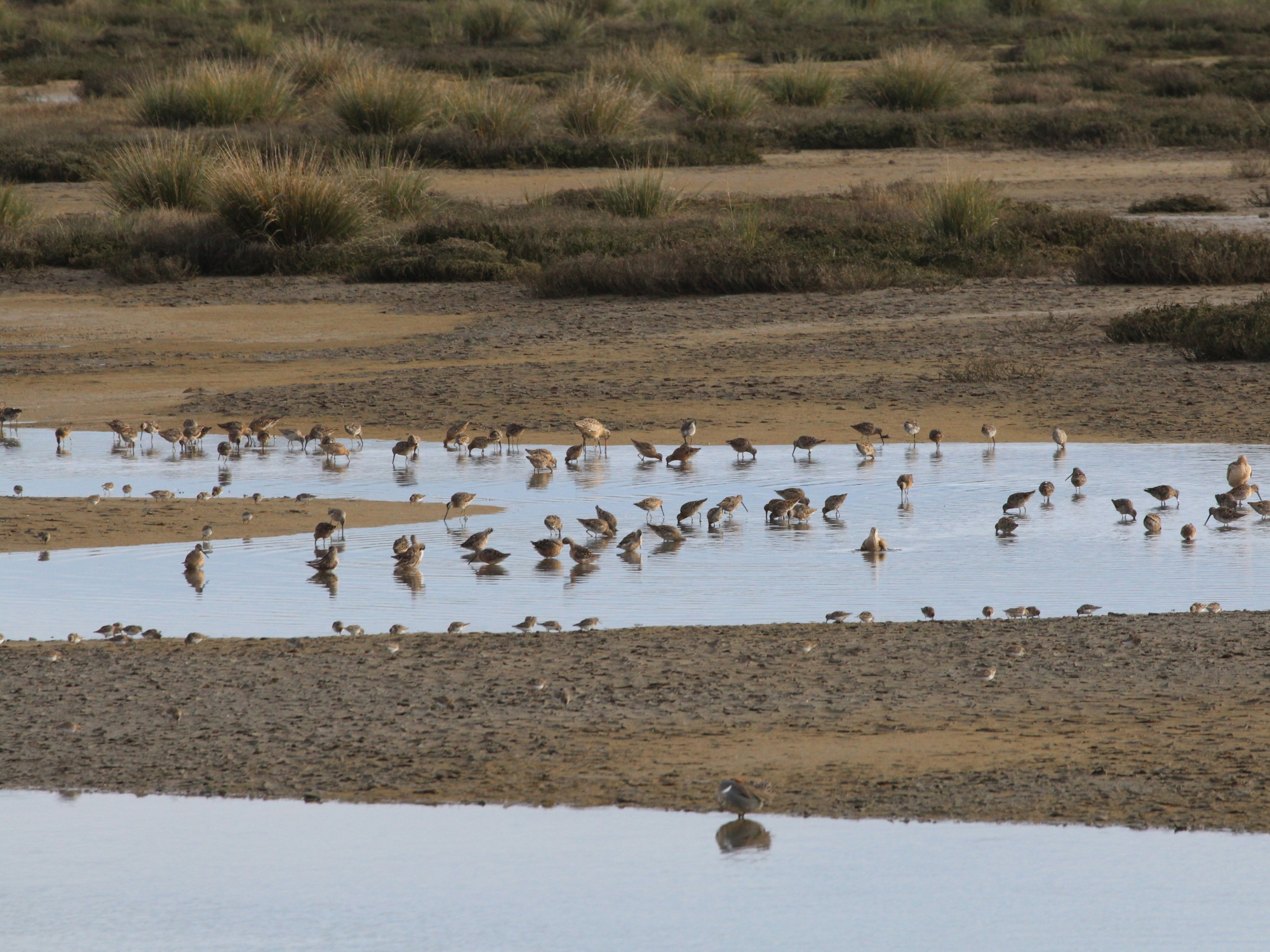
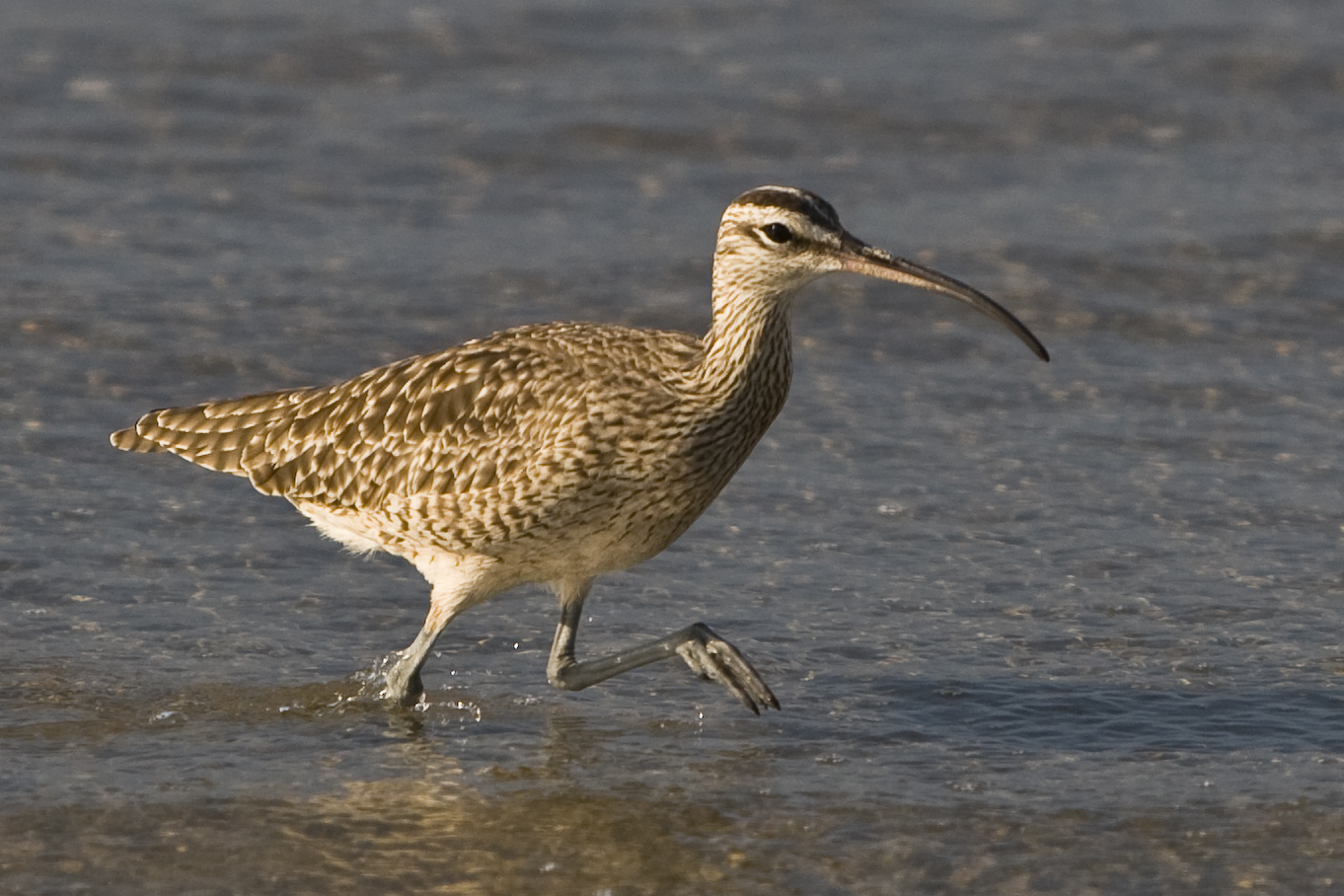
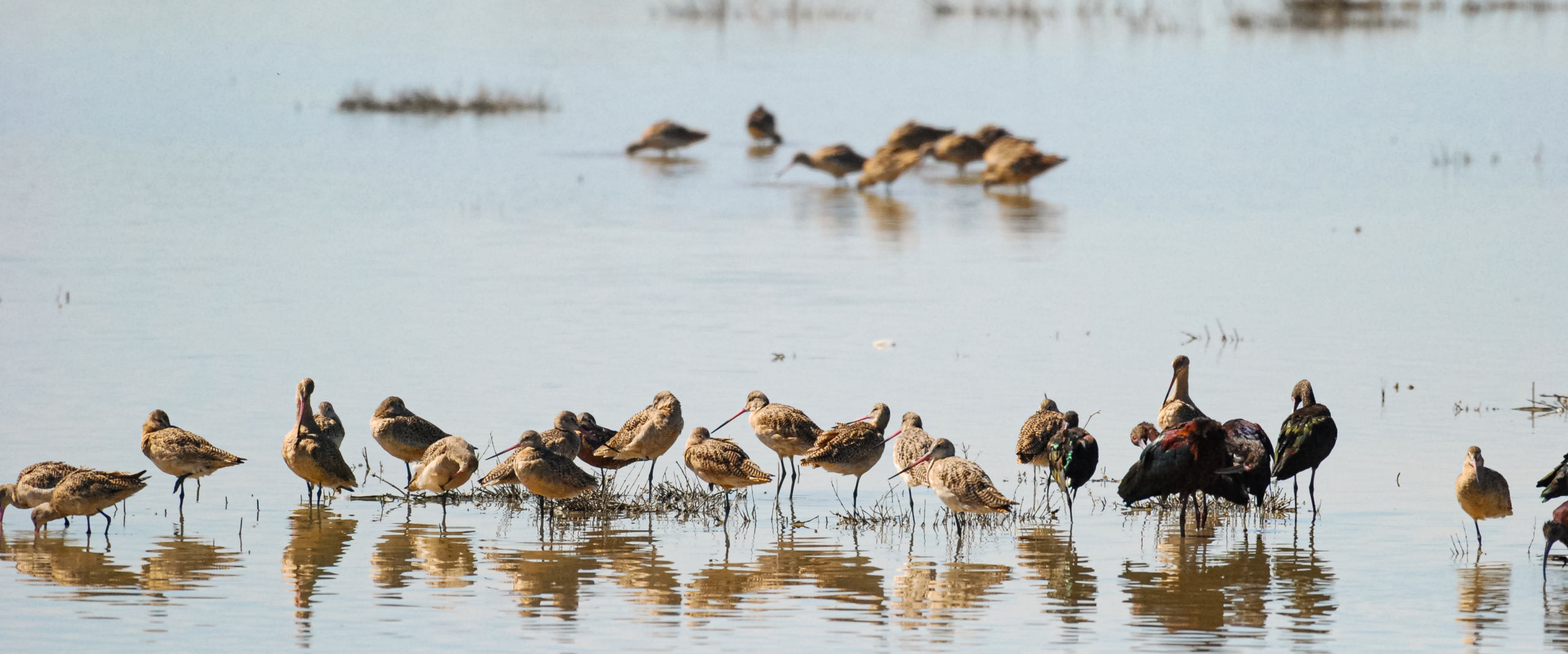
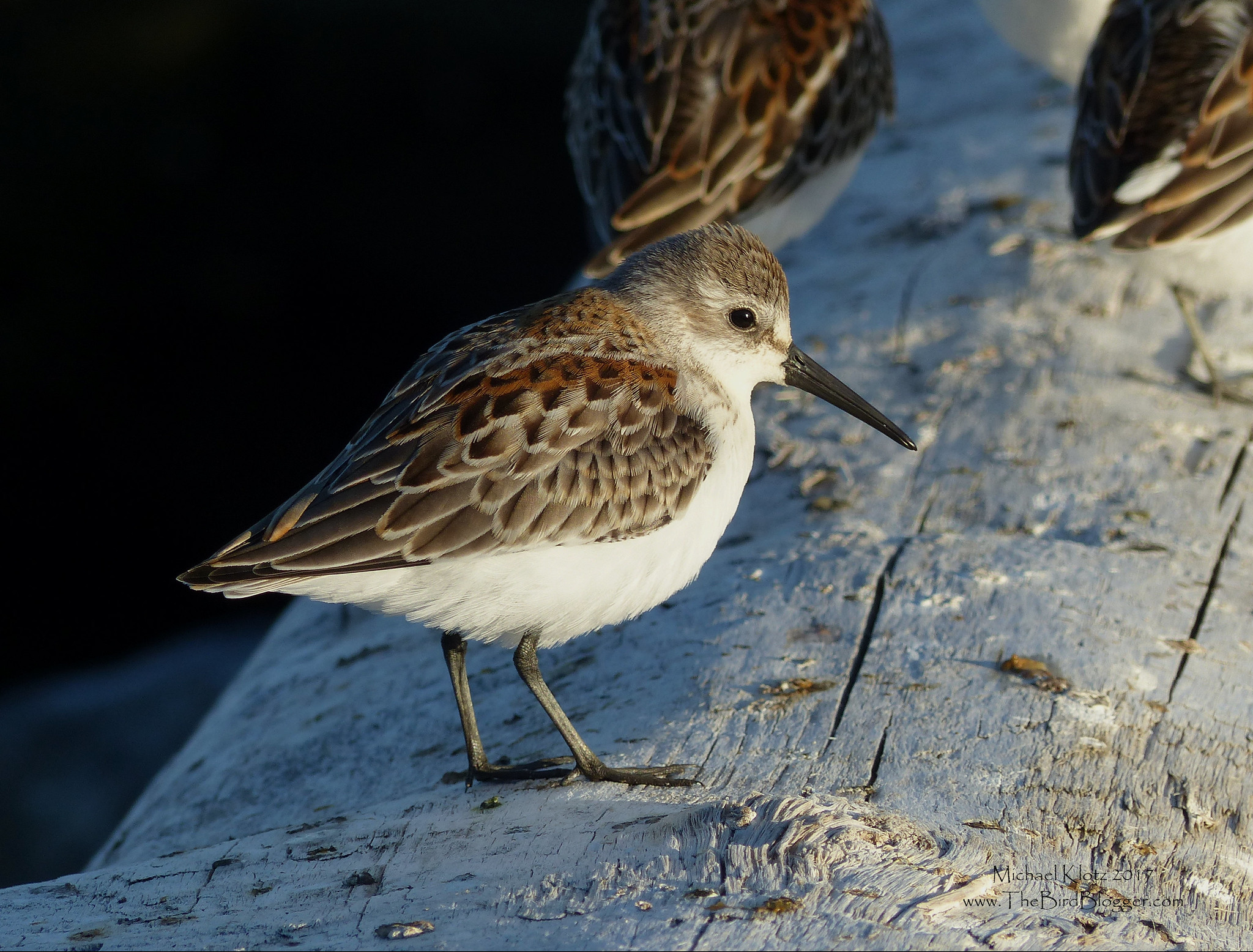
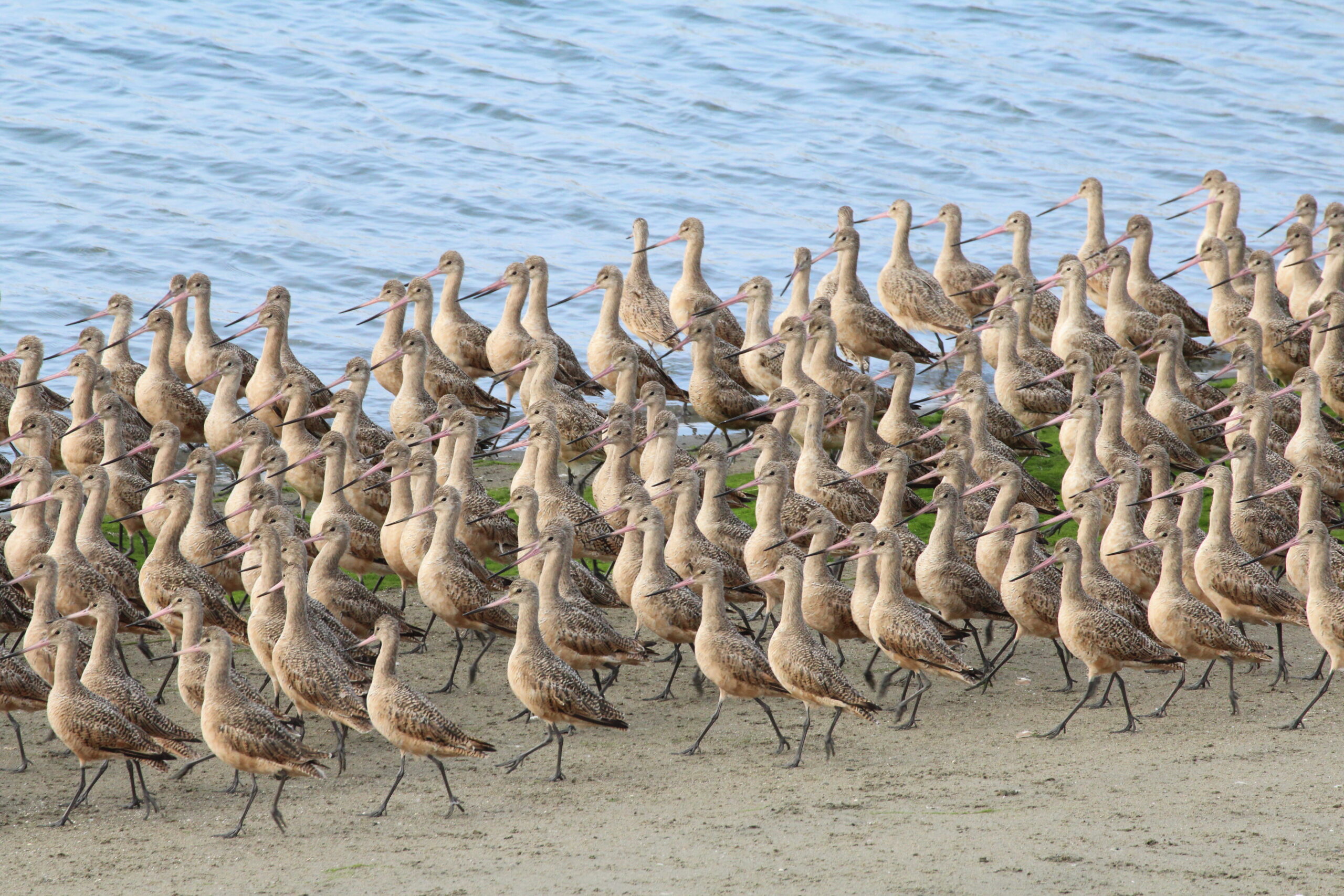
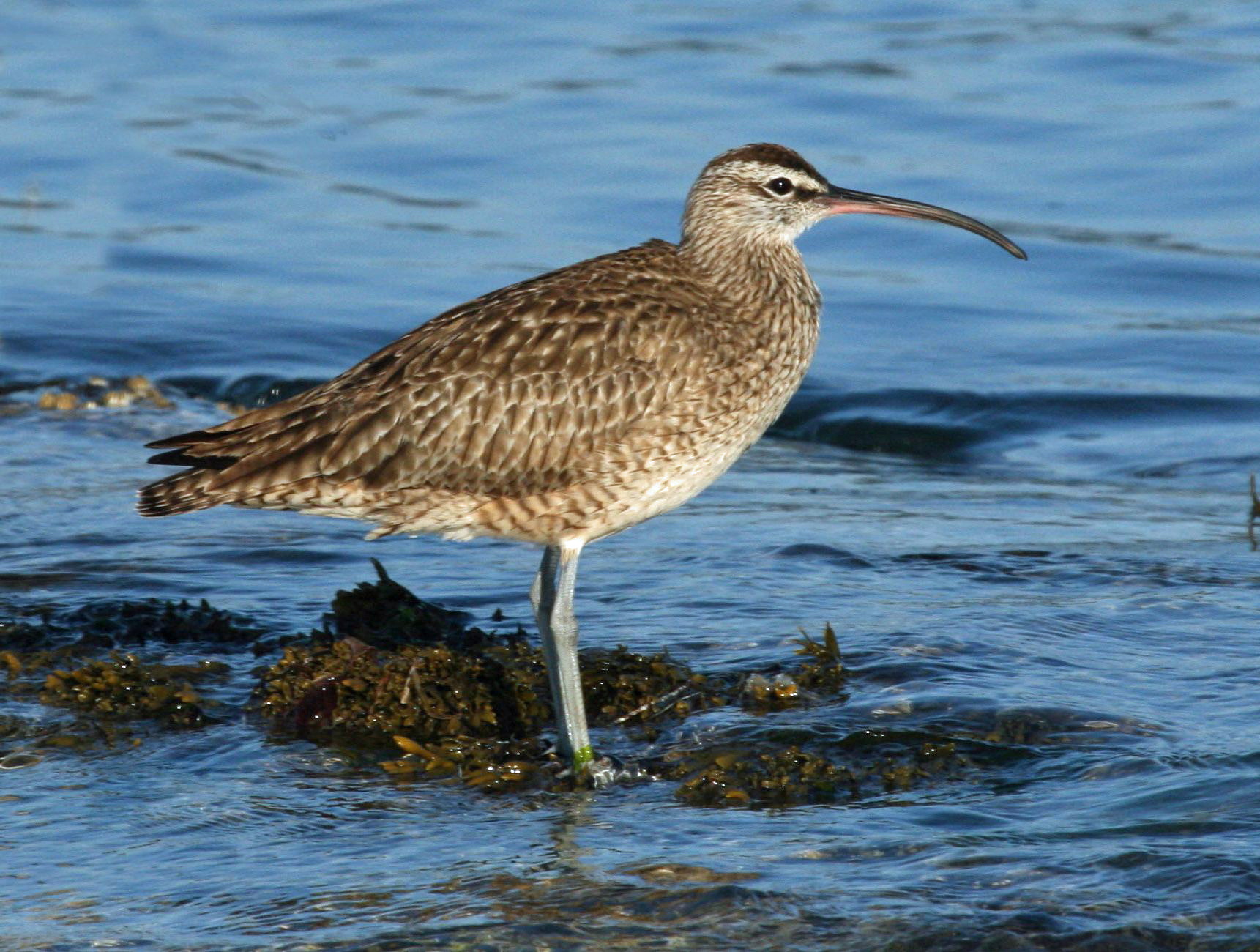
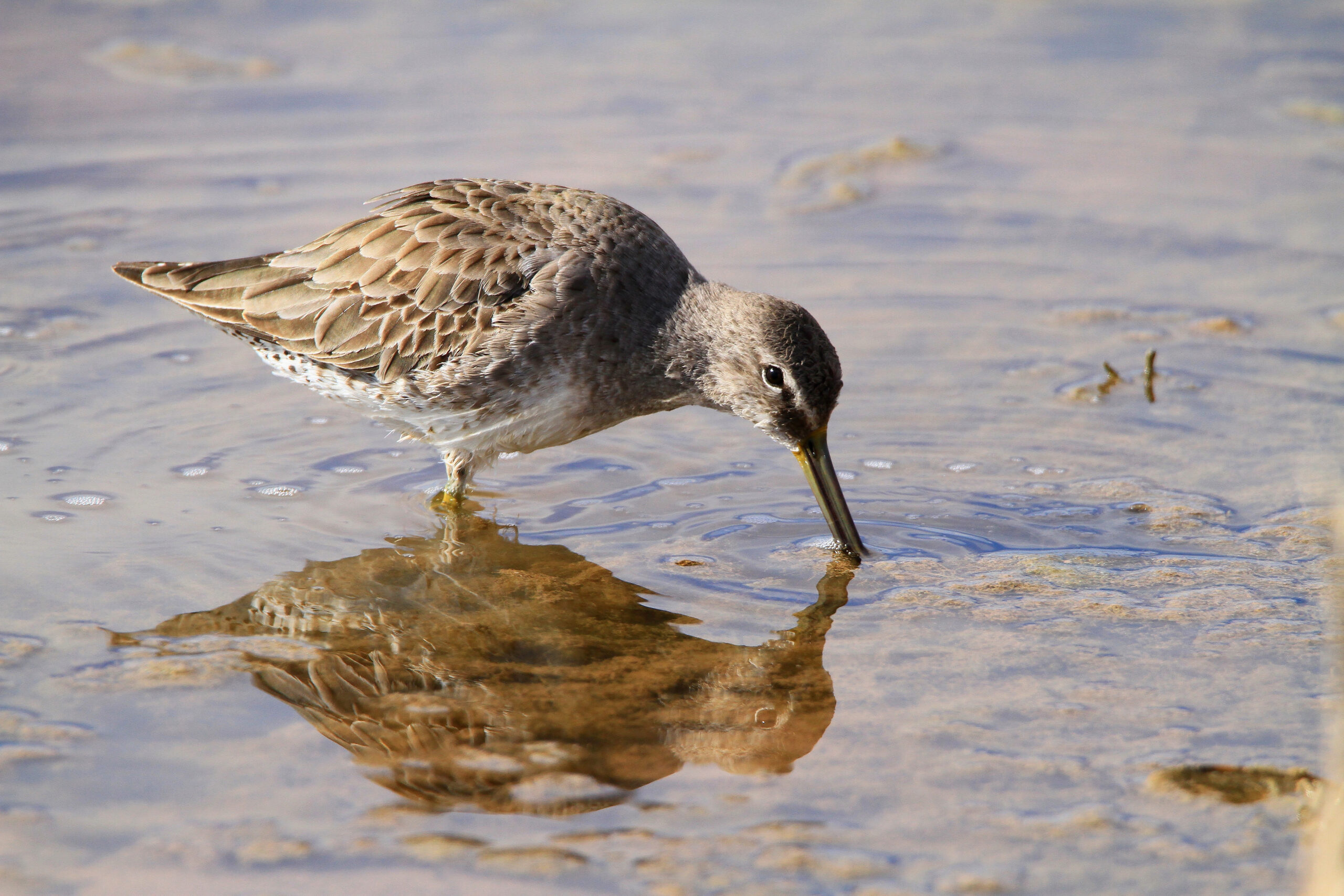
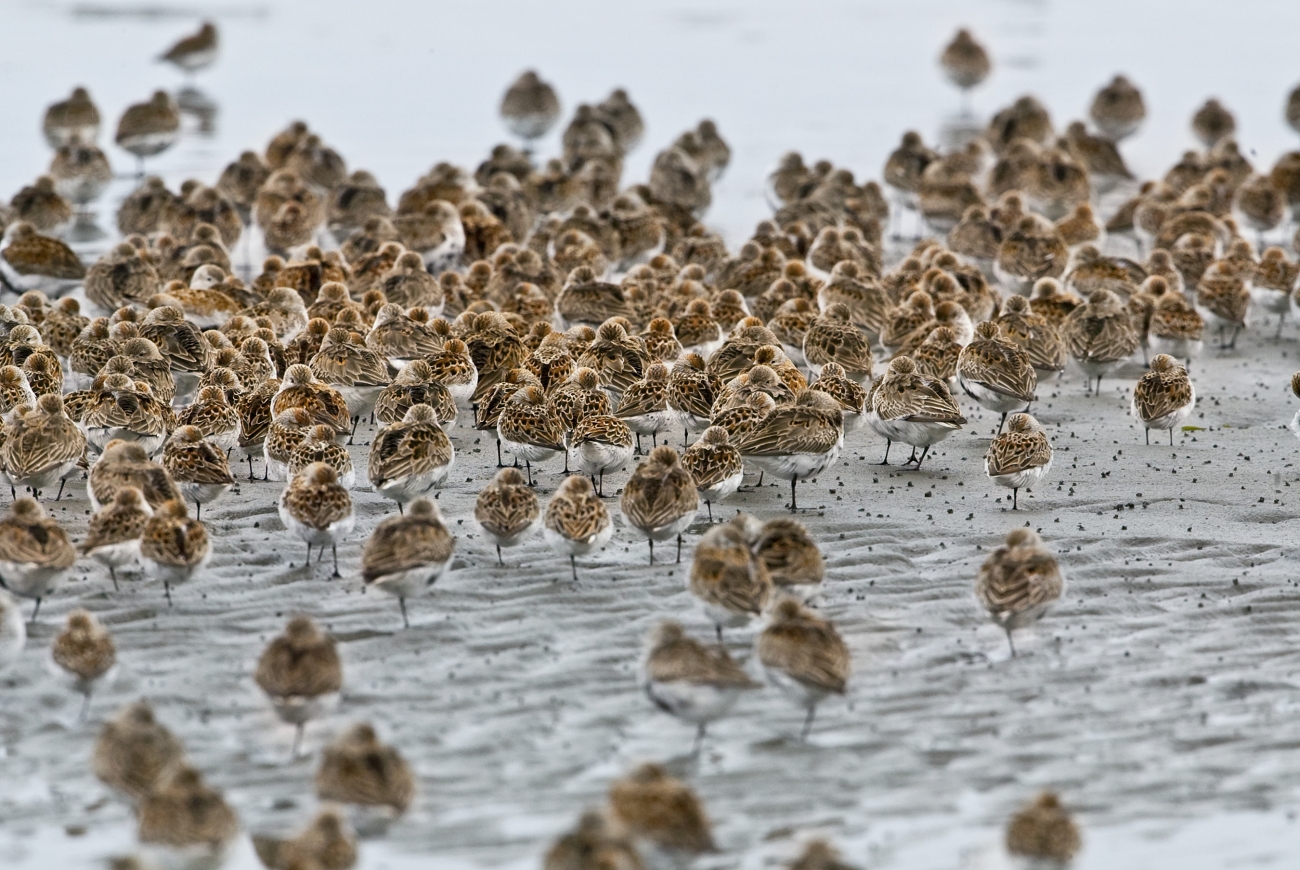
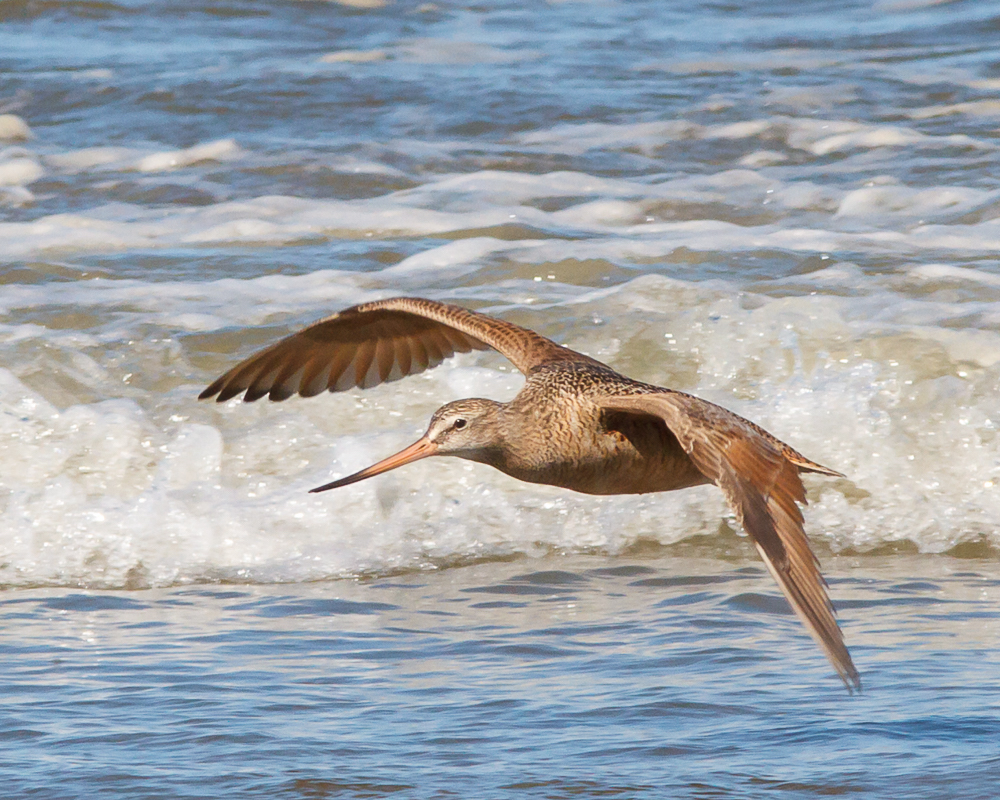
The Humboldt Bay Complex aligns with Pacific Birds’ highest priority coastal wetland habitats and species, as described in our Coastal Wetlands Strategic Plan. Those priority habitats include tidal wetlands and intertidal mudflats, eelgrass meadows, freshwater wetlands, and bird-friendly working lands and waters. In addition to Pacific Black Brant, other priority species that rely upon the Humboldt Bay Complex include Long-billed Dowitchers (Limnodromus scolopaceus), Western Sandpipers (Calidris mauri), Hudsonian Whimbrels (Numenius hudsonicus), and Marbled Godwits (Limosa fedoa).
History of the Elk River Watershed
The Elk River watershed is the largest freshwater tributary to Humboldt Bay. Located in the coastal temperate forest of Humboldt County, the Elk River is a symbol of the abundant resources that have supported Northern California’s economy for generations. Its pastures grow beef, the river produces large amounts of Coho and Chinook salmon as well as steelhead and coastal cutthroat trout, and its forests hold one of the largest groves of old-growth redwood trees in California.
Over time, the Elk River Valley became severely and adversely impacted by timber harvests in the upper watershed, as well as agricultural practices in the lower watershed. The timber industry dominated the regional economy from the mid-19th century to the 1980s, and many old-growth redwood groves were rapidly clearcut. As a result, the Elk River began filling with sediment. The hillsides, empty of trees, slid into rivers and creeks as winter storms set in. Water spread out across the valley, flooding roads, apple orchards, and homes. Populations of salmon and steelhead, which once filled the Elk River, crashed. Fishing and agriculture, industries that once thrived in the area, suffered greatly.
About ten years ago, Darren Mierau of CalTrout, a nonprofit that works to restore fisheries and watersheds across California, reached out to the Elk River Valley community to see how CalTrout could help. As he learned more about the ongoing challenges that the community faced, CalTrout and community leaders put together a plan to restore the Elk River.
“The Elk River watershed is the largest freshwater tributary to Humboldt Bay… Restoration of the Elk River watershed is extremely important to salmon recovery. If we can help restore the river while also improving the lives of people who live here, that’s a win.”
- Darren Mierau, Science Director for CalTrout
The concept was contagious. While CalTrout was working upriver to gather support for restoring the Elk River, the City of Eureka and its partners began a restoration project at the mouth of the Elk River. By 2023, the City had restored 114 acres of property in the Elk River Estuary.
About the Elk River Estuary Restoration Project
There are several different restoration subareas in the Elk River estuary. The project featured removal of a double tidegate to improve estuarine function, as well as the physical restoration of 114 acres of habitat. That work included the excavation of tidal channels to increase the tidal prism and restore eelgrass, the enhancement of native salt and freshwater marsh and riparian habitat through active and passive revegetation, and the removal of invasive Spartina. An abandoned railroad grade was modified to create new freshwater wetlands that clean storm water before it overflows into primary tidal channels.
In addition to providing 114 acres of critical habitat to birds, salmonids, and other fish and wildlife, the project provides many benefits to nearby communities, including:
- Restoring natural water filtration dynamics of estuaries
- Sequestering carbon to mitigate impacts of climate change
- Protecting Highway 101, power transmission lines, and wastewater pipelines from flooding and storms
- Expanding recreational opportunities and coastal access via construction of a new section of the California Coastal Trail through the Elk River estuary
Project Impact and Next Steps
Days after completion of the Elk River Estuary Restoration Project, more than sixty bird species not seen there for many decades arrived to enjoy their restored habitat. Though farming, logging and fishing continue, these industries now operate alongside a new restoration workforce committed to the recovery and protection of the region’s important ecosystems.
“The Elk River is the lungs for Wigi [Humboldt Bay]… We’re helping the land and water to breathe again.”
- Ted Hernandez, Tribal Historic Preservation Officer for the Wiyot Tribe
Restoration work will continue in the Elk River Valley. In 2024, CalTrout and the community secured a huge win when a landowner near the City’s restoration project agreed to sell 175 acres of valley floor for habitat restoration. 40 acres, including a historic Wiyot Tribe village site, were immediately transferred to the Wiyot Tribe. The remaining acreage will be restored and added to the Elk River Wildlife Area, which is managed by the California Department of Fish and Wildlife. California Climate Investments funding will support restoration of this property, which will begin in 2027.