The Pacific Northwest Oak Alliance and Cascadia Prairie-Oak Partnership have released an updated version of our Prairie, Oaks, and People Investment Strategy. This plan turns over 20 years of regional conservation planning into one shared, fundable strategy.
For over two decades, conservation practitioners, agency staff, Tribal partners, scientists, and landowners have built the expertise, policy, and funding needed to protect and restore what remains of oak and prairie habitat across the Pacific Northwest, from northern California to southern British Columbia.
We are ready to increase the pace and scale of that work — with your help.
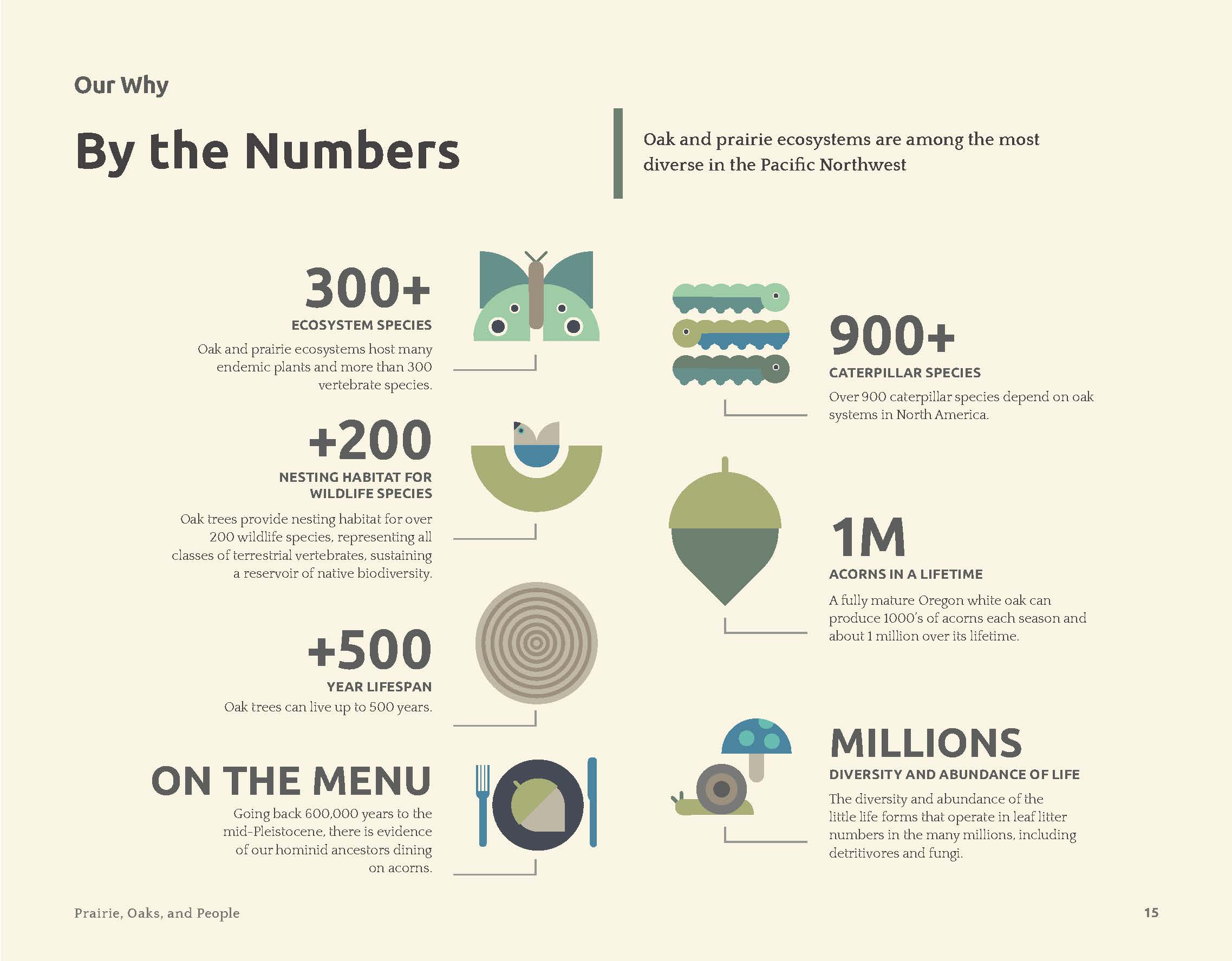
Oak and prairie systems are some of the most biologically diverse, culturally important, and climate-resilient habitats in the Pacific Northwest. They are also among the most imperiled. Today, these are the landscapes where the majority of people in the Pacific Northwest live, farm, and recreate. As a result, these meadows, tree-dotted savannas, and dense woodlands are disappearing at an alarming rate. This makes them a top regional priority for conservation.
Investing now in oak and prairie systems and species is critical. We have the information, tools, and partnerships to do something about these threats.
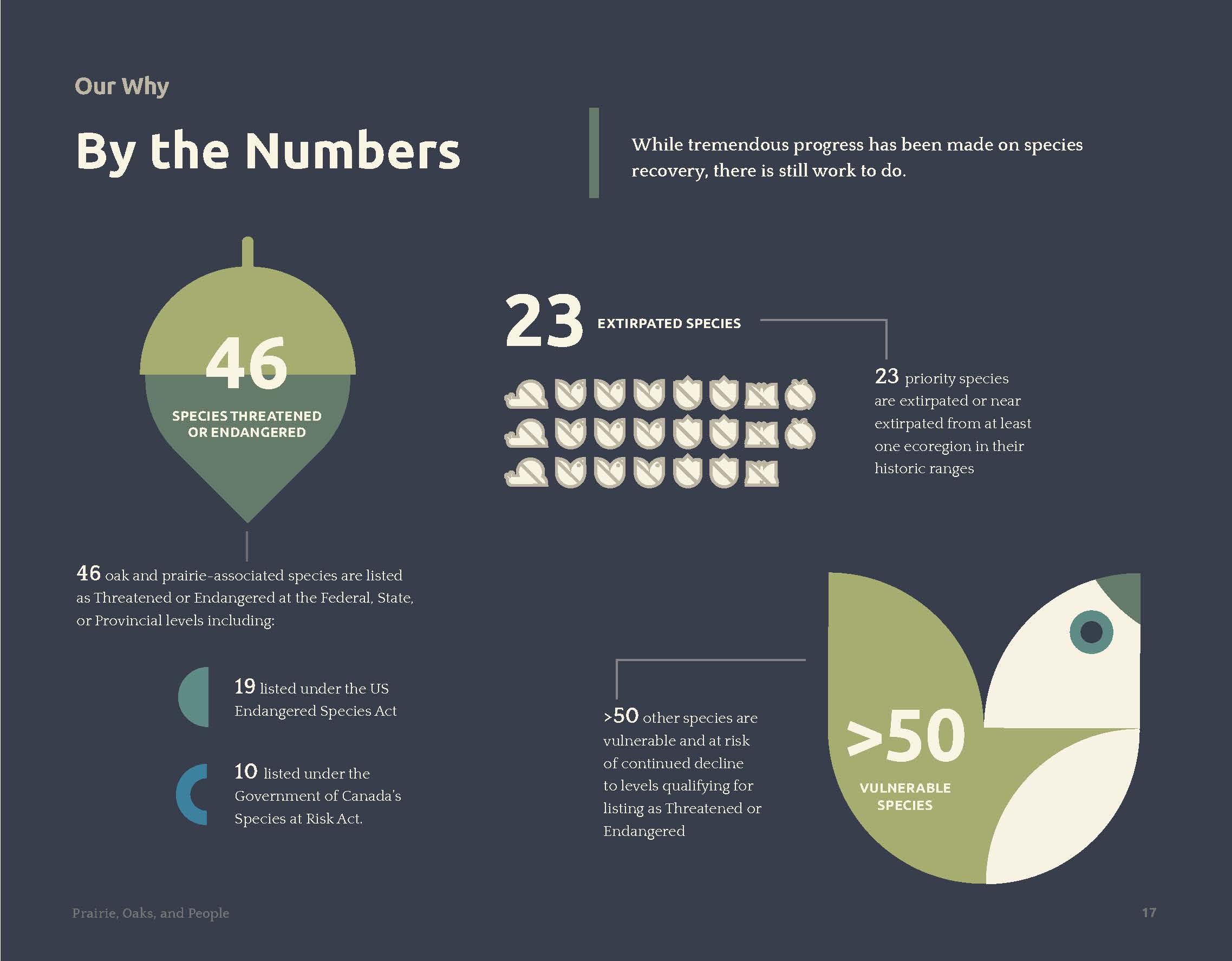
Our goal is to protect and rebuild healthy oak and prairie systems across the Pacific Northwest to sustain their important biological, cultural, and economic values. With targeted, coordinated investment, we can revitalize these imperiled oak and prairie ecosystems and the range of important benefits they provide.
Nine local oak and prairie partnerships are positioned to put investments in the ground now. Over the next five years, we are asking for:
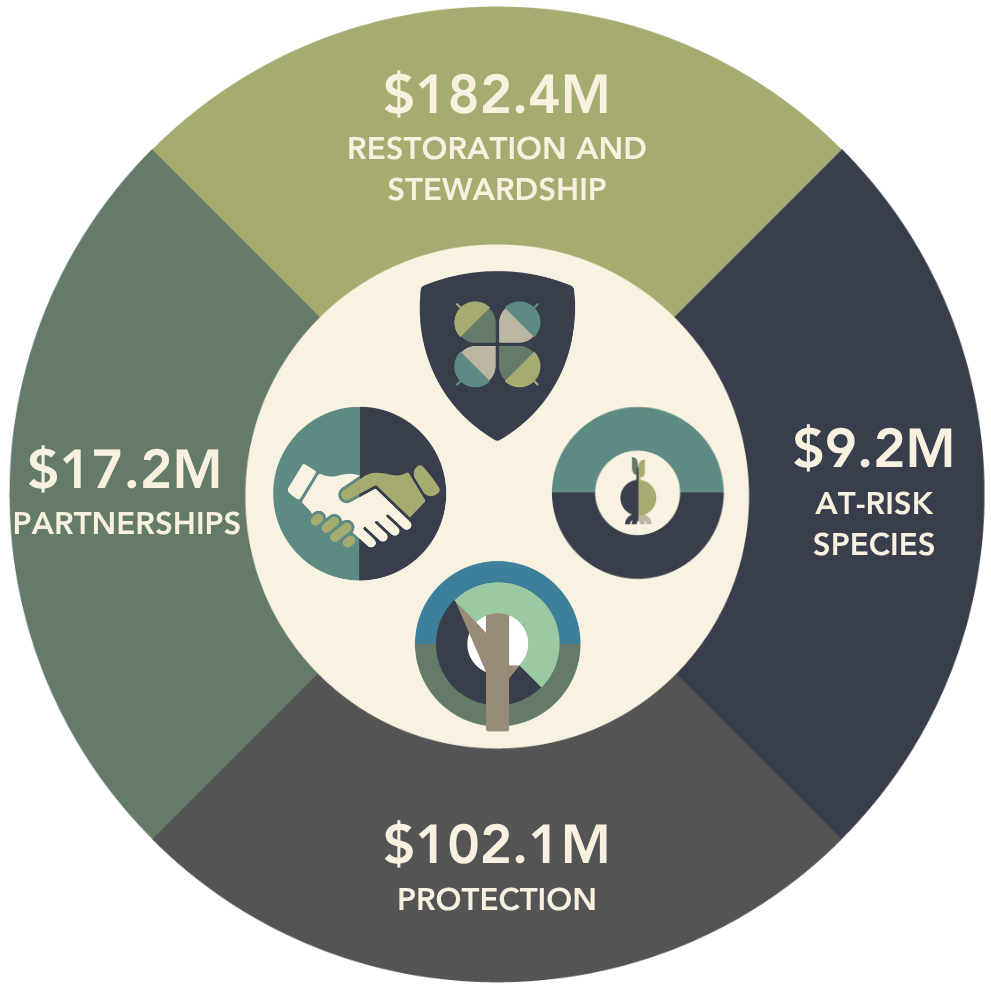
$102.1 million for protection through easements and acquisitions
$182.4 million for restoration and stewardship
$17.2 million to build public-private-Tribal partnerships
$9.2 million to stabilize at-risk species populations
The Prairie, Oaks, and People Investment Strategy focuses funding on the region’s highest-priority needs for the next five years — work that is realistic to fund and deliver over that short timeframe. It sets the baseline: what oak and prairie partners need to operate, secure funding, and carry out restoration on the ground. These numbers are not what it would take to fully solve the problem, but they are what we are positioned to deliver now, and this amount of work will begin to move the needle in a meaningful way.
Funding this investment would result in:
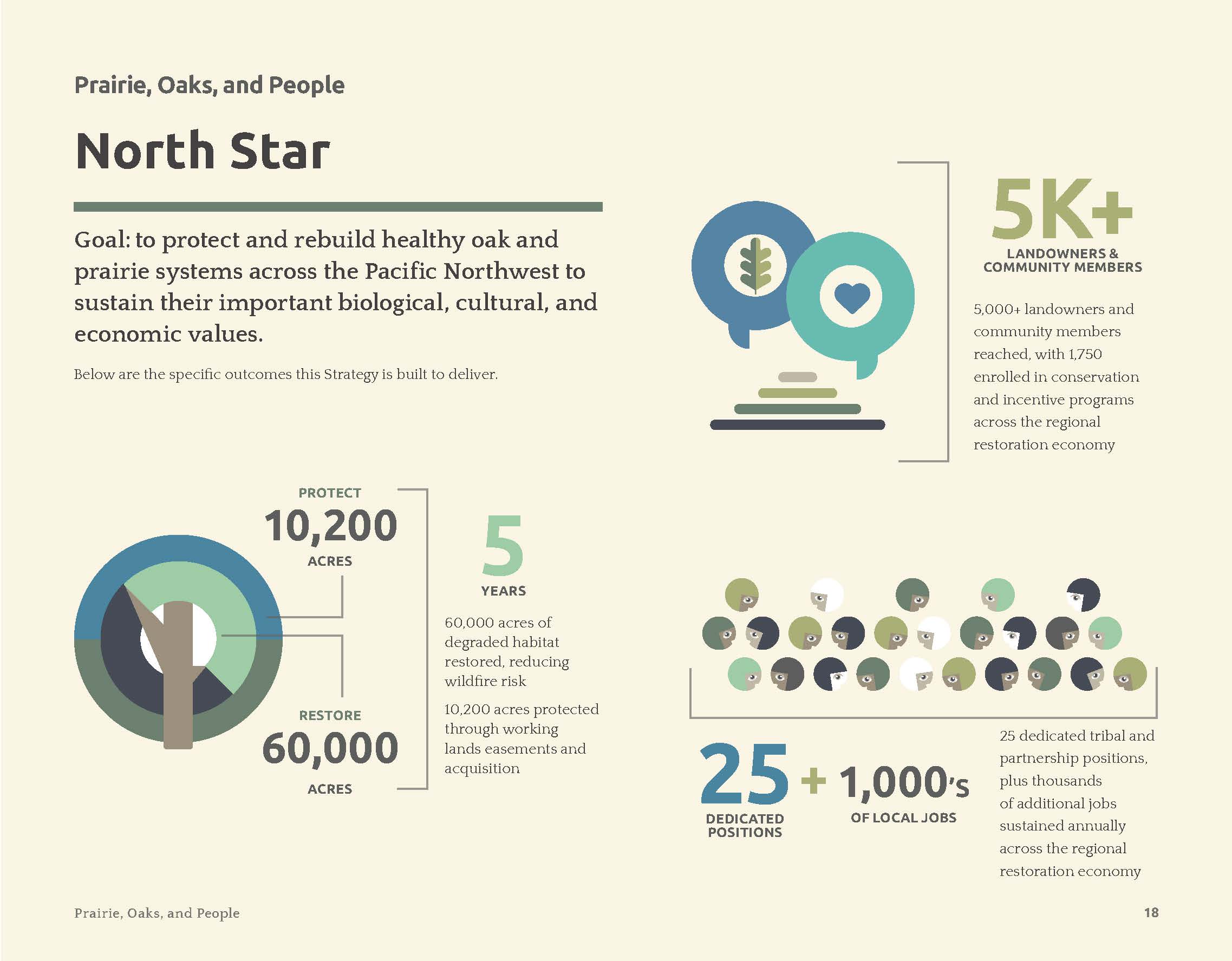
60,000 acres of degraded habitat restored
10,200 acres protected through easements and acquisitions
23 at-risk species populations stabilized
5,000 community members reached and 1,750 landowners enrolled in conservation and incentive programs
25 dedicated Tribal and partnership positions plus thousands of restoration jobs sustained
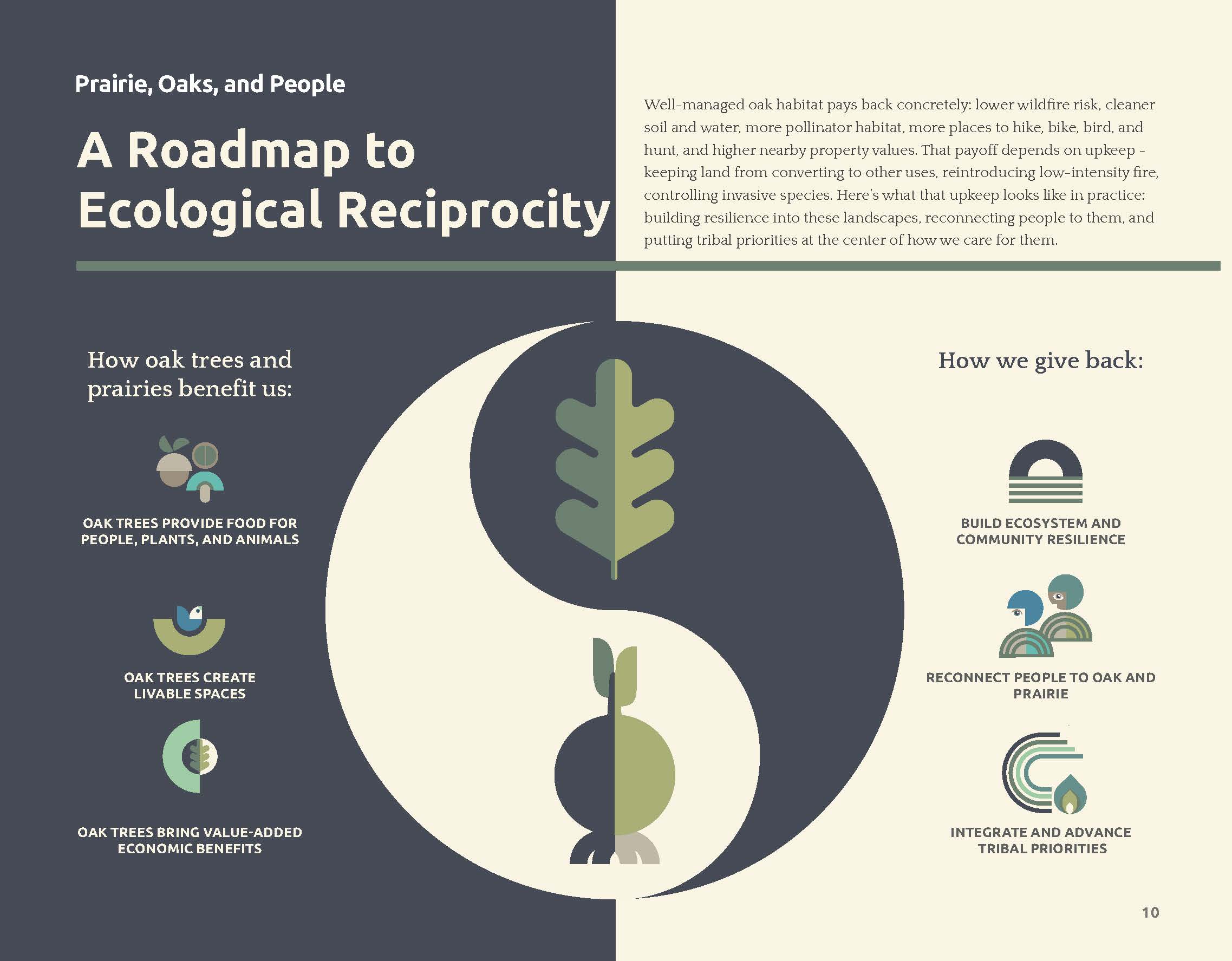
Restoring this landscape has a cost. So does the alternative: catastrophic wildfire, fragmented land, degraded soils, invasive species, and lost biodiversity. Plus, well-managed oak and prairie habitat pays back concretely: lower wildfire risk, cleaner soil and water, more pollinator habitat, more places to hike, bike, bird, and hunt, and higher nearby property values.
This plan is intended for you.
This plan is intended to speak to a range of audiences including private foundations, philanthropists, governments, and the business community who see benefit in contributing to the goals and outcomes described in this plan. There are significant funding opportunities and this plan is our way of connecting those timely opportunities to the clearly defined restoration needs of oak and prairie ecosystems and the people who depend on them.
