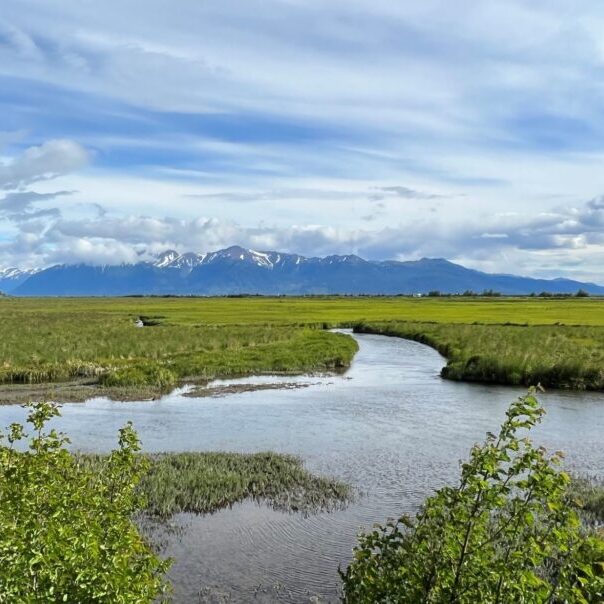
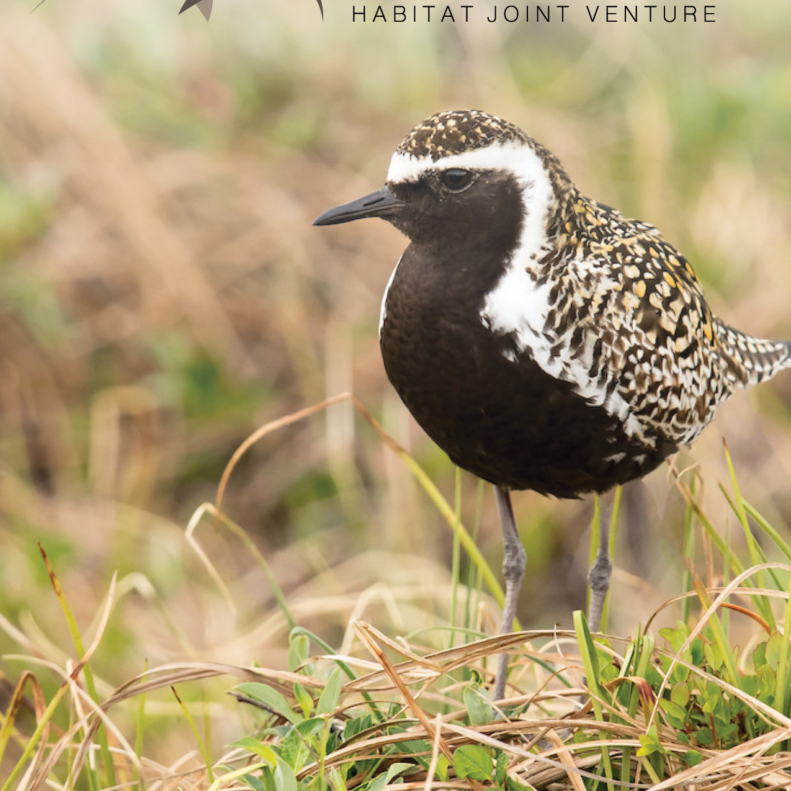
Alaska occupies a unique role in the conservation of migratory birds in the Pacific region and beyond.

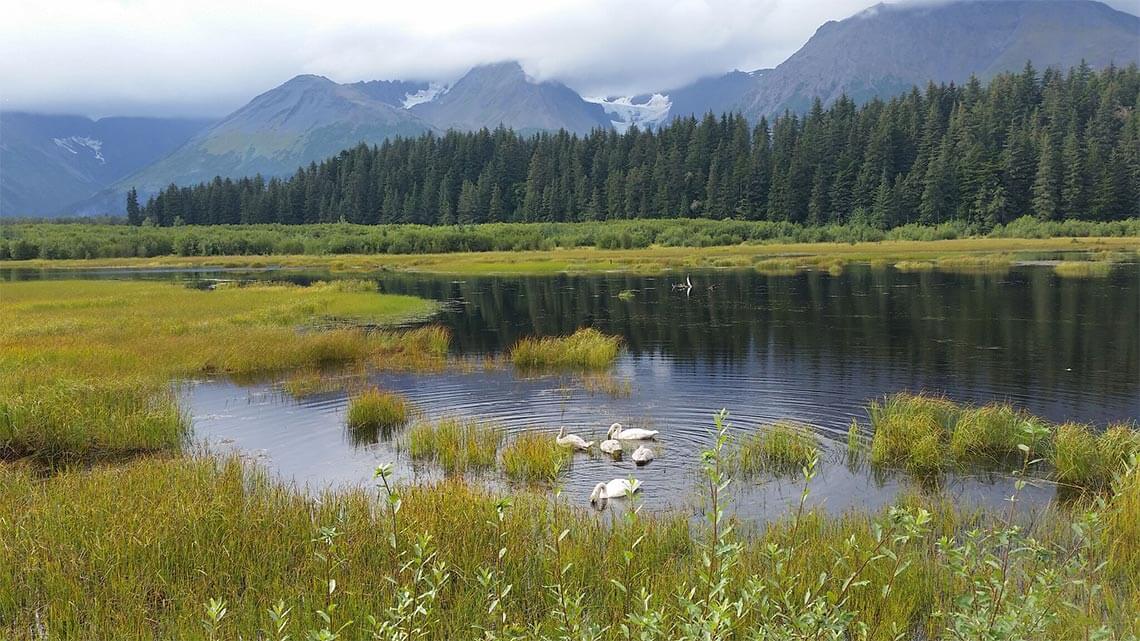
At one time or another in their annual cycles, 501 naturally occurring bird species are found in Alaska.
As a breeding ground, Alaska is a northern apex for many species of birds that come north for long daylight hours and the burst of plant and animal life that supports successful breeding. Alaska is also a crossroads for arctic birds that breed in Canada and Russia. Migrations to and from Alaska link breeding grounds with winter ranges across the Americas, eastern Asia and Australia, and even Africa.
The biodiversity and abundance of Alaska’s birds are supported by a large latitudinal range of landscapes from Arctic tundra to subarctic tundra, boreal forest, and temperate rain forest. The sheer size of Alaska–with a landmass of 570,000 square miles and 33,900 miles of shoreline–sustains all, or a large proportion of, some species and populations of birds.
Pacific Birds works on conservation of coastal wetlands in Alaska.
Fortunately, most of Alaska’s bird habitats are unaltered, and large expanses of land are within existing conservation units such as refuges, parks, and forests.
The primary conservation challenges are to maintain the quality and quantity of bird habitats while minimizing the impacts of growth and development, resource extraction, and climate change. The warming of terrestrial and marine habitats is pronounced in Alaska and emerging trends indicate that ecosystem changes will have significant effects on the ranges and diversity of birds.
Pacific Birds Strategic Plans in Alaska
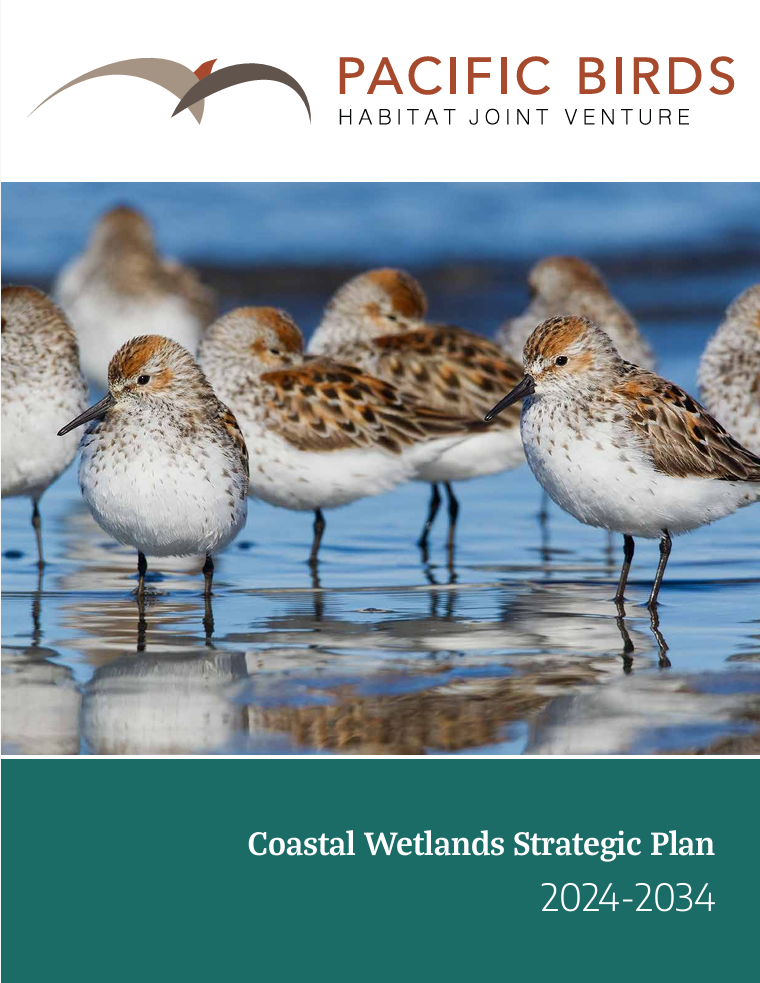
The Coastal Wetlands Strategic plan identifies shared conservation strategies and actions, developed in collaboration with partners in Alaska and the Pacific Northwest, to catalyze positive change for Pacific Coastal wetlands in the U.S. over the next ten years (2024-2034). This work is based on a guiding principle that coastal wetlands are most effectively conserved through an approach that transcends political boundaries, regulatory jurisdictions, and public and private ownership to address habitat needs at an ecosystem level. The plan describes overarching conservation strategies, priority coastal bird species, and associated population and habitat objectives that Pacific Birds and partners will focus on over the next ten years.
Recent News From Alaska