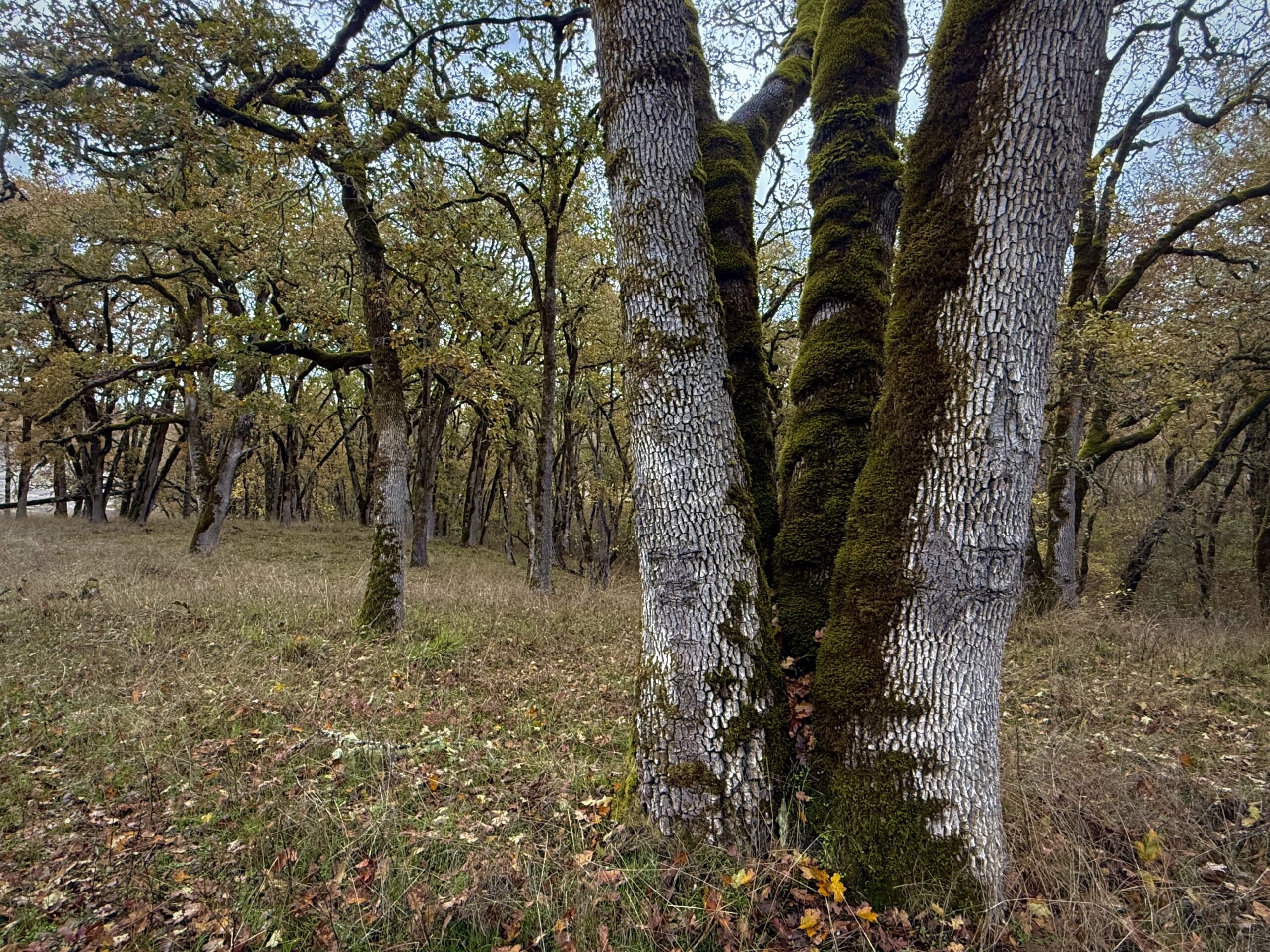
After years of preparation, federal partners treated 122 acres in the North Bank Habitat Management Area with prescribed fire this summer. This site near Glide, OR is a top priority for the Umpqua Oak Partnership (UOP), a regional collaborative focused on the conservation and restoration of oak habitat. Prescribed fire at North Bank will help to both revitalize bird habitat and reduce wildfire risk for local communities.
Oregon white oak (Quercus garryana) systems are some of the most ecologically important landscapes in the Pacific Northwest. Oak ecosystems have declined to 10% of their historic range, with only 25% of Oregon’s original oak habitat remaining. Threatened by conifer encroachment, invasive species, fire suppression, and development, these landscapes provide habitat for hundreds of species, support local economies, and hold deep cultural significance.
UOP is committed to reversing these trends. This conservation partnership catalyzes oak restoration and conservation across Douglas County, which contains some of the largest remaining tracts of oak and prairie in Oregon. It is coordinated by Pacific Birds Liaison Eric Stauder, but its participants include other private landowners, state and federal agencies, Tribes, non-governmental organizations, and community groups in the Umpqua River Basin.
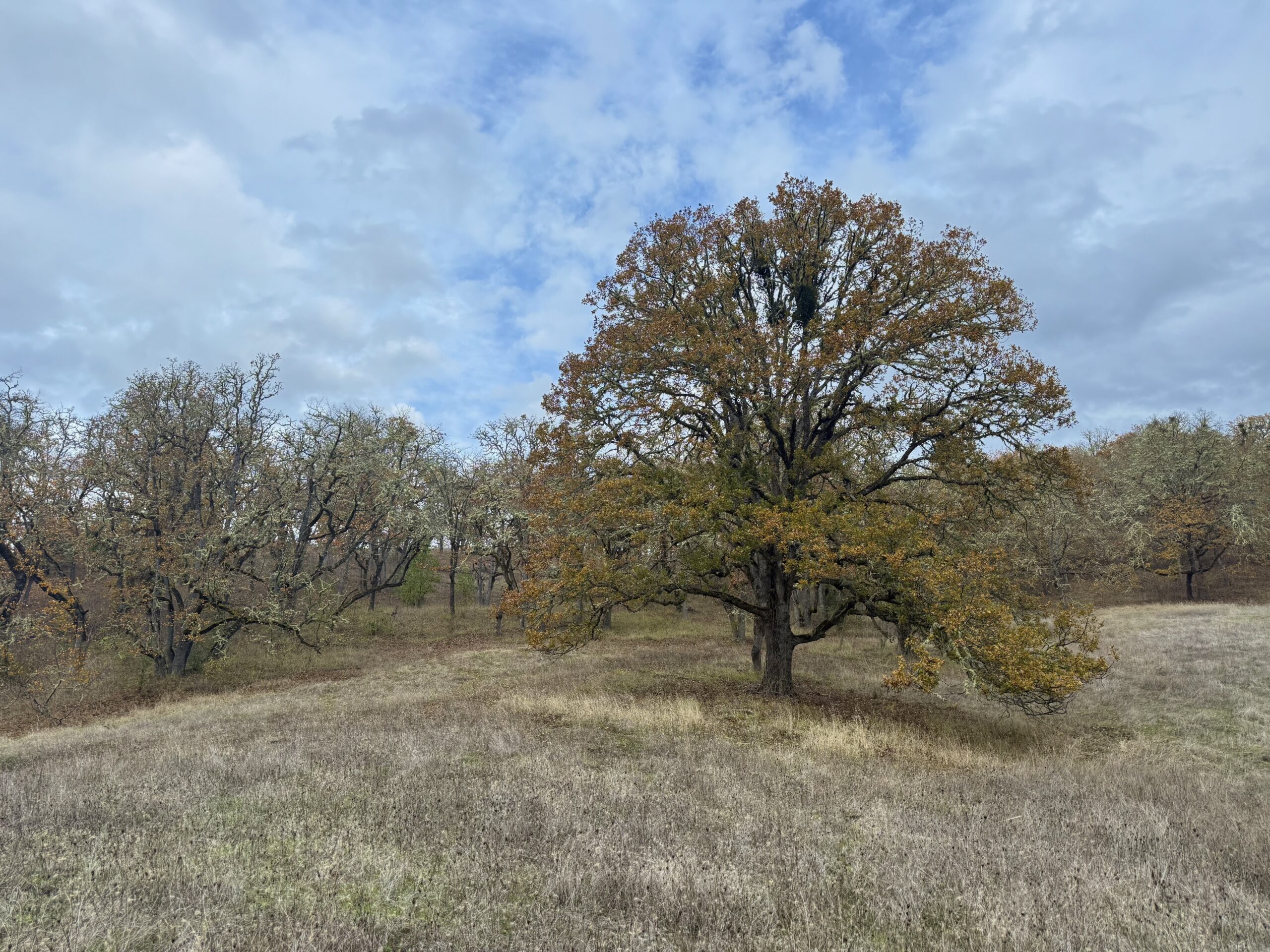
In its 2026–2036 Strategic Action Plan, UOP designated the North Bank Habitat Management Area as an Anchor Site — an oak stronghold in a large, strategically located area where stewardship could have the greatest ecological impacts. This 6-581 acre site is managed by the Bureau of Land Management (BLM), and features a biologically rich mosaic of oak savannas and grasslands, mixed woodlands and conifer forests, and wetlands.
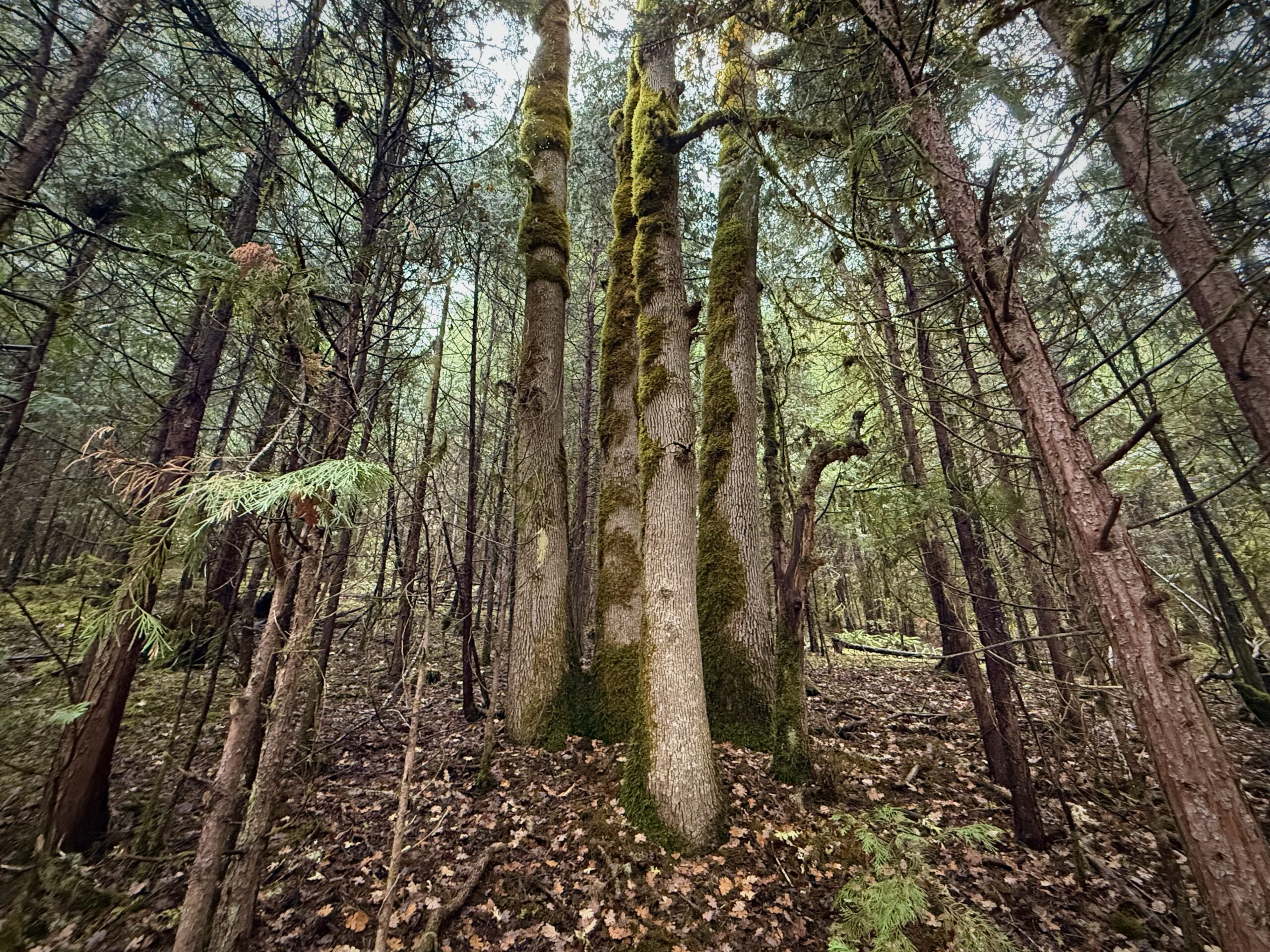
Although North Bank retains relatively high ecological integrity and habitat diversity, it has not experienced wildland fire in over a decade. Fire was once a regular occurrence in this region, and helped to maintain healthy oak ecosystems that benefited both people and nature. The Cow Creek Band of the Umpqua Tribe of Indians used fire to manage open oak habitats that provided the tribal members with First Foods, such as camas and acorns. But for over a century, Oregonians have intentionally excluded fire from the landscape in an effort to prevent catastrophic natural disasters. But without any low-intensity fire, conifer trees have encroached on oak landscapes like weeds, crowding and shading out these vital keystone species. Fire exclusion has also increased fuel loads on the landscape, paradoxically raising the risk of future high-intensity wildfires.
For these reasons, the BLM selected North Bank for prescribed fire in June. This planned, understory burn was designed to restore some of the ecological benefits that were historically gained from naturally occurring fires. The BLM jointly coordinated the burn with the newly-formed U.S. Wildland Fire Service (USWFS) in June. In fact, this was the first officially prescribed burn led by the USWFS in the Pacific Northwest. UOP supported this effort by engaging the Oregon Conservation Corps of the Umpqua Valley and local restoration contractors with prep activities over the last several years. Other partners involved in planning for the prescribed fire include the Douglas Soil & Water Conservation District, Umpqua National Forest, Cow Creek Band of Umpqua Tribe of Indians, the Oregon Department of Fish and Wildlife, and the U.S. Fish and Wildlife Service.
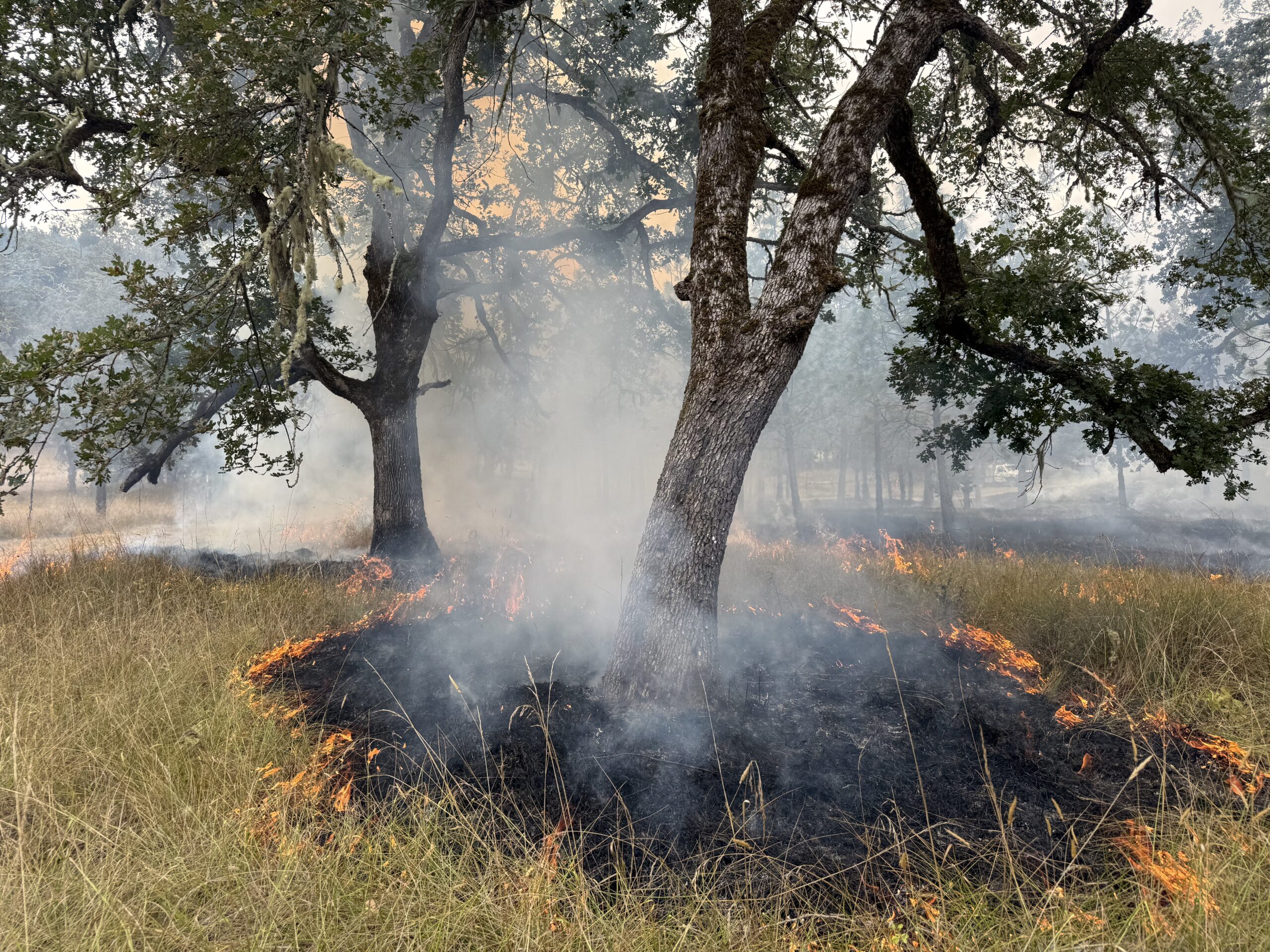
UOP will continue to support prescribed fire at North Bank in future years as a tool to simultaneously restore oak habitat, create a more fire-resilient landscape, and reduce wildfire risk to communities. The collaborative also hopes this site will function as a demonstration area for partnership-driven conservation and a model for other landscape-scale projects,
UOP is one of nine regional partnerships that make up the Pacific Northwest Oak Alliance. This collaborative is spearheaded by Pacific Birds and champions landscape-scale oak and prairie conservation from southern British Columbia and northern California.
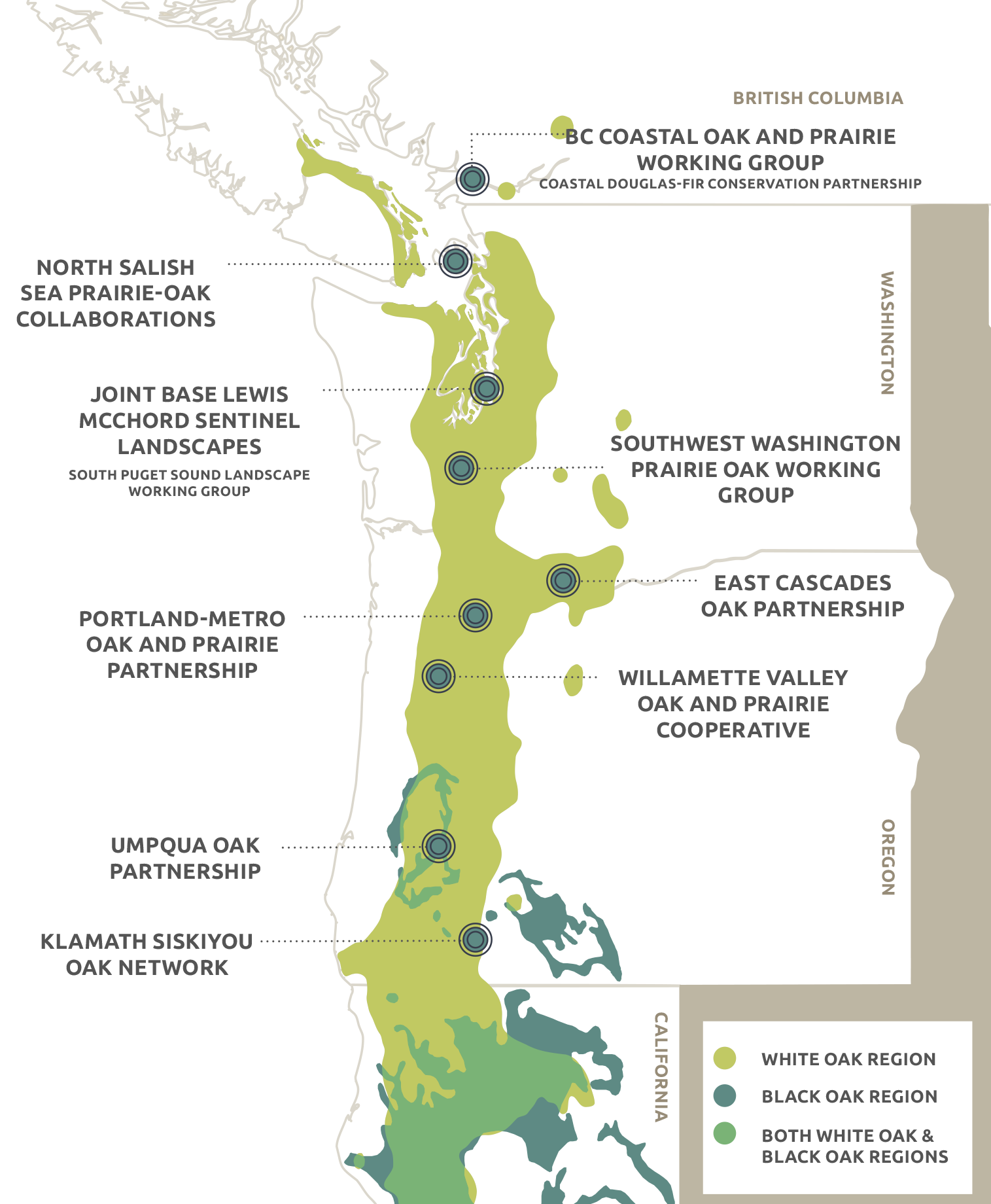
The Oak Alliance is well positioned to effectively put conservation investments on the ground now. If you want to support oak restoration and conservation efforts similar to the North Bank project, read the Oak Alliance’s Prairie, Oaks, and People Investment Strategy. It defines the goals for our collective work and the investment needed to achieve these outcomes.
You can also help grow the next generation of oaks and oak stewards by participating in our Decade of the Oak outreach campaign! This grassroots initiative aims to build awareness and support for oak conservation by connecting individuals with their local communities and landscapes.