© Joseph Oliver, Oregon Department of Fish and Wildlife
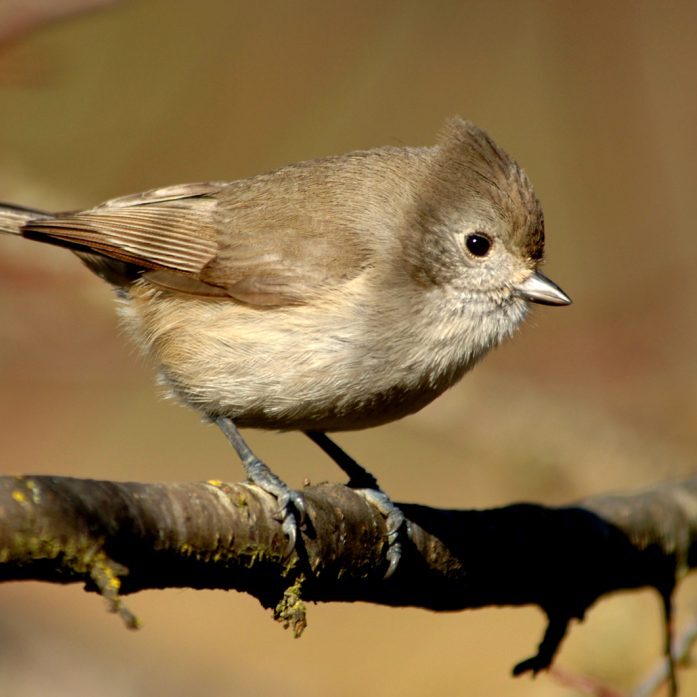
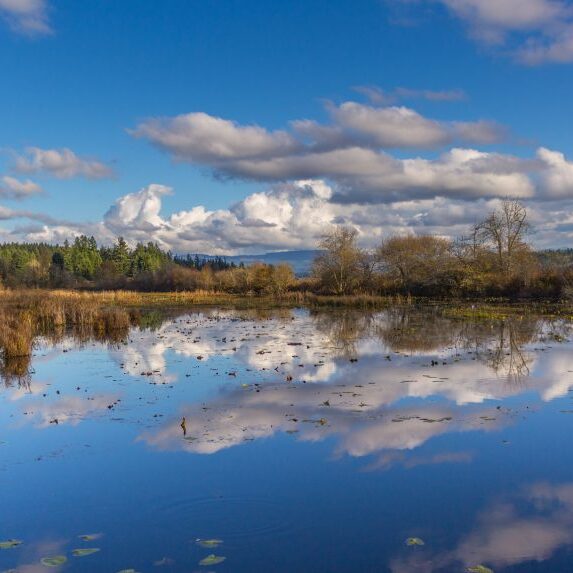
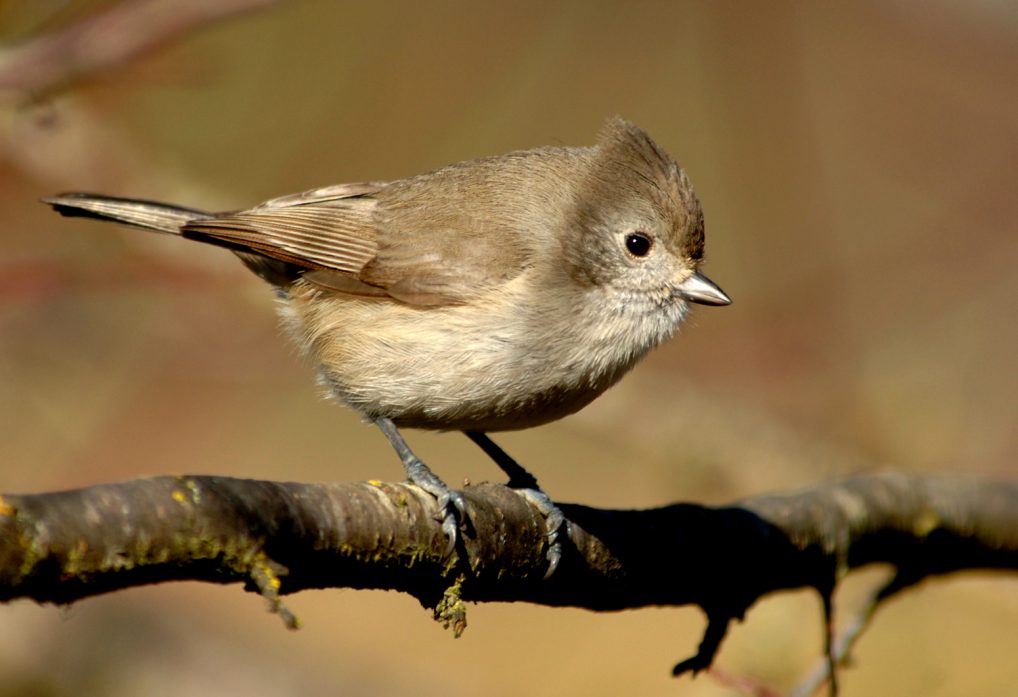
Pacific Birds in Oregon includes lands west of the Cascade Range. Three hundred miles of coastal habitats support millions of migratory birds. Oregon’s estuaries, including the Columbia River Estuary, Bandon Marsh and Tillamook Bay provide crucial habitat for hundreds of thousands of migrating shorebirds and wintering waterfowl. Further inland, oak habitats are among the richest wildlife habitats in Oregon and harbor many species not found in the neighboring coniferous forests.
Land use changes, changes in hydrologic and fire regimes, the introduction of invasive species and other factors have drastically reduced the habitat needed to support important stages in the annual cycle of multiple migratory and resident birds. Diking and filling has resulted in losses of 50-80 percent of the tidal wetlands in Oregon’s larger estuaries. Brant, which are particularly sensitive to disturbance, now winter in only a few estuaries, including Netarts, Yaquina, and Coos Bays.
In the near future, climate change impacts such as sea level rise will change existing habitat structure and function along the coast, creating an even greater need for collaborative conservation actions.
In Oregon, Pacific Birds works on coastal wetlands and oak and prairie habitats.
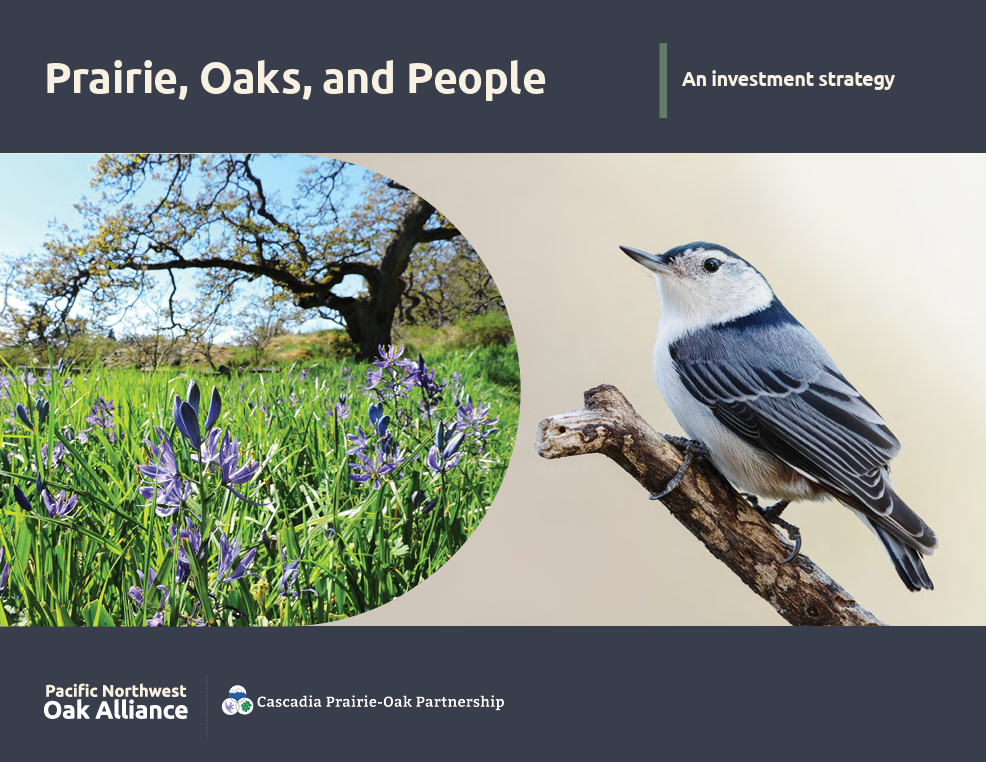
Learn more about the investment strategy on the Oak Alliance website.
The Prairie, Oaks and People plan aims to connect timely funding opportunities to the clearly defined restoration needs of oak and prairie ecosystems and the people who depend on them.
The investment strategy and business plan is designed to focus resources on the highest-priority needs over the next 5 years. It also presents funding requests that can be realistically implemented within that time frame. It defines the baseline level of resources needed for conservation partnerships to operate effectively, secure funding, and coordinate and implement on-the-ground restoration work.
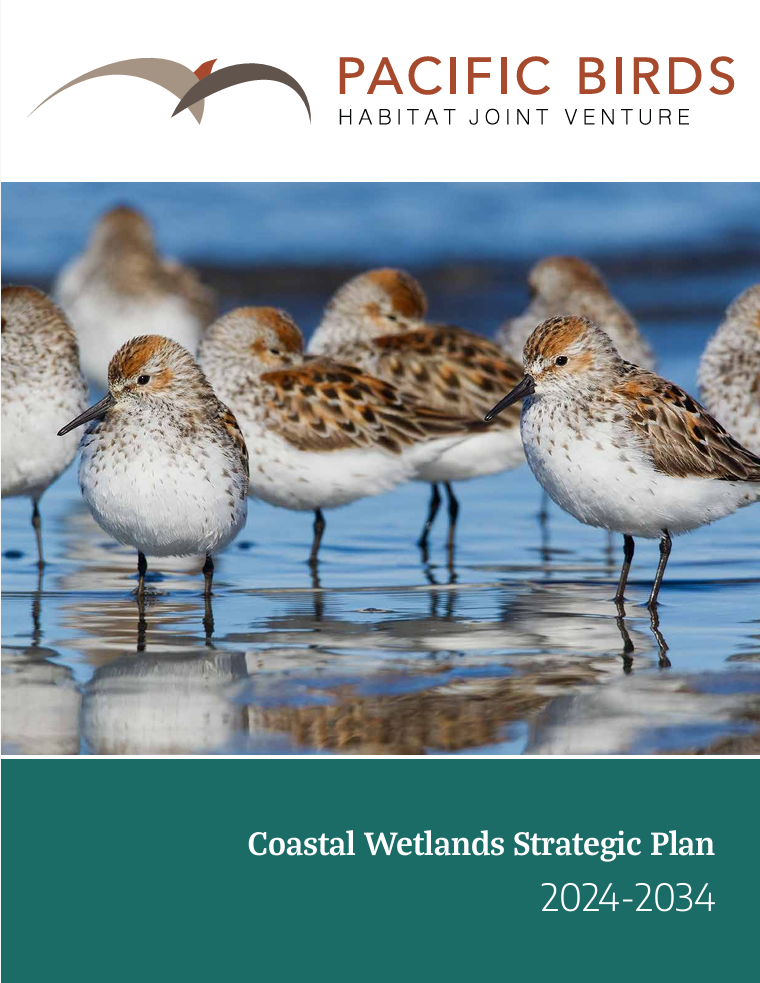
The Coastal Wetlands Strategic plan identifies shared conservation strategies and actions, developed in collaboration with partners in Alaska and the Pacific Northwest, to catalyze positive change for Pacific Coastal wetlands in the U.S. over the next ten years (2024-2034). This work is based on a guiding principle that coastal wetlands are most effectively conserved through an approach that transcends political boundaries, regulatory jurisdictions, and public and private ownership to address habitat needs at an ecosystem level.
Where We Work