Pacific Birds is featured in BirdLife International's brand new Global Flyways video series! This series highlights the extraordinary journeys of migratory birds and the global efforts to protect the interconnected network of habitats that they rely upon. Global Flyways premiered in September at BirdLife International’s Global Flyways Summit in Nairobi, Kenya, and has now launched online for World Migratory Bird Day.
Global Flyways spotlights innovative projects and conservation practitioners from across the globe, shining a light on both what’s at risk and what’s possible. We worked with BirdLife International to develop two short films about how collaborative partnerships conserve the interconnected habitats of the Pacific Flyway. Both videos also showcased how Indigenous-led stewardship drives holistic successes in bird conservation, climate resilience, and community well-being.

Cowichan Estuary: Foodways and Flyways
Millions of migrating birds depend upon coastal wetlands along the northern Pacific Flyway to breed, rest, refuel, and overwinter. But these habitats have been dramatically reduced and degraded due to land conversion, sea level rise, pollution, and other threats, diminishing their capacity to support both birds and people. Pacific Birds collaborates with a range of partners to protect and restore these vital ecosystems.
The Cowichan River Estuary is one of the largest estuaries in British Columbia. It provides habitat for up to 230 bird species, and is a critical stopover and refueling location for birds migrating along the Pacific Flyway. Today, several Pacific Birds partners are working together to restore salt marshes there and re-establish natural estuarine processes, which we anticipate will bring an even greater diversity and abundance of birds. The Cowichan Estuary Restoration Project is one of the largest estuary restoration projects ever to be completed on Vancouver Island.
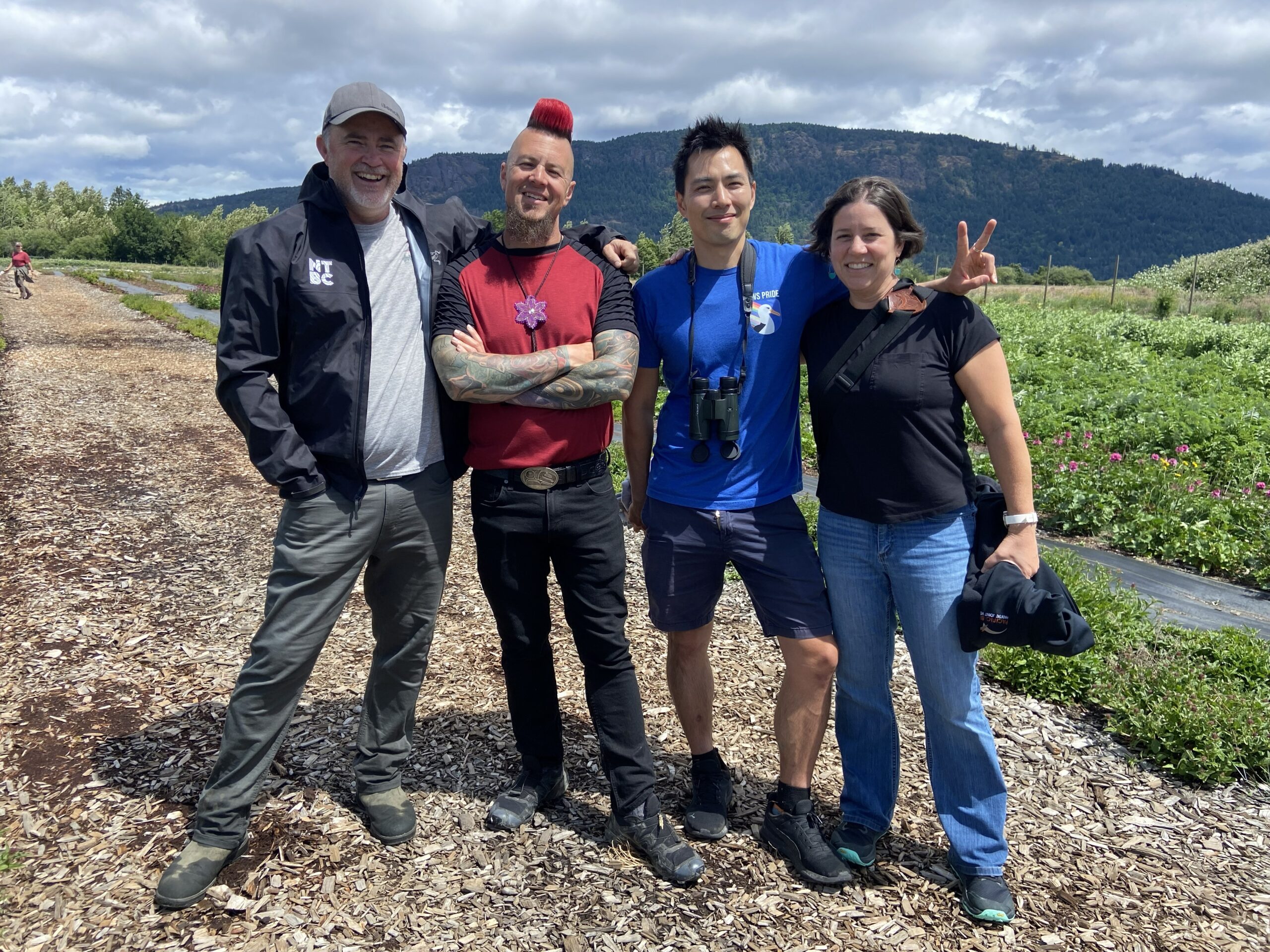
This video features interviews with Tom Reid (West Coast Conservation Land Manager, NTBC) and Jared Qwustenuxun Williams (Lead Consultant, Qwustenuxun Consulting). Other partners involved in this project include Cowichan Tribes, Ducks Unlimited, Habitat Conservation Trust Foundation, the Cowichan Watershed Board, and the Province of British Columbia.
Partnerships in Place: Oak in the Pacific Flyway
Across the Pacific Northwest, oak and prairie ecosystems are disappearing at an alarming rate due to human development and fire exclusion. These landscapes currently span only 10% of their historic range from British Columbia to northern California, with negative impacts on the many bird species that depend on them. Oak trees act as a keystone species, providing biologically rich habitat for hundreds of wildlife species. With over 50% of Western forest birds species currently in decline, this makes oak-prairie systems a top regional conservation priority.
Pacific Birds leads the Pacific Northwest Oak Alliance, which unites public, private, non-profit and Tribal partners to champion landscape-scale oak and prairie conservation. The Oak Alliance includes nine collaborative regional partnerships, and this video focuses on one: the Klamath Siskiyou Oak Network (KSON).
KSON restores oak-prairie landscapes in Southern Oregon and Northern California through sustainable forest management and fire-use practices that are informed by bird conservation plans. KSON’s latest project is the Upper Rogue Oak Initiative, which will restore around 3,850 acres of oak habitat near Medford. Partner organizations include the Klamath Bird Observatory, Lomakatsi Restoration Project, Understory Initiative, Southern Oregon Forest Restoration Collaborative, Nature Conservancy, U.S. Fish and Wildlife Service, U.S. Forest Service, Bureau of Land Management, and Rogue River Watershed Council.
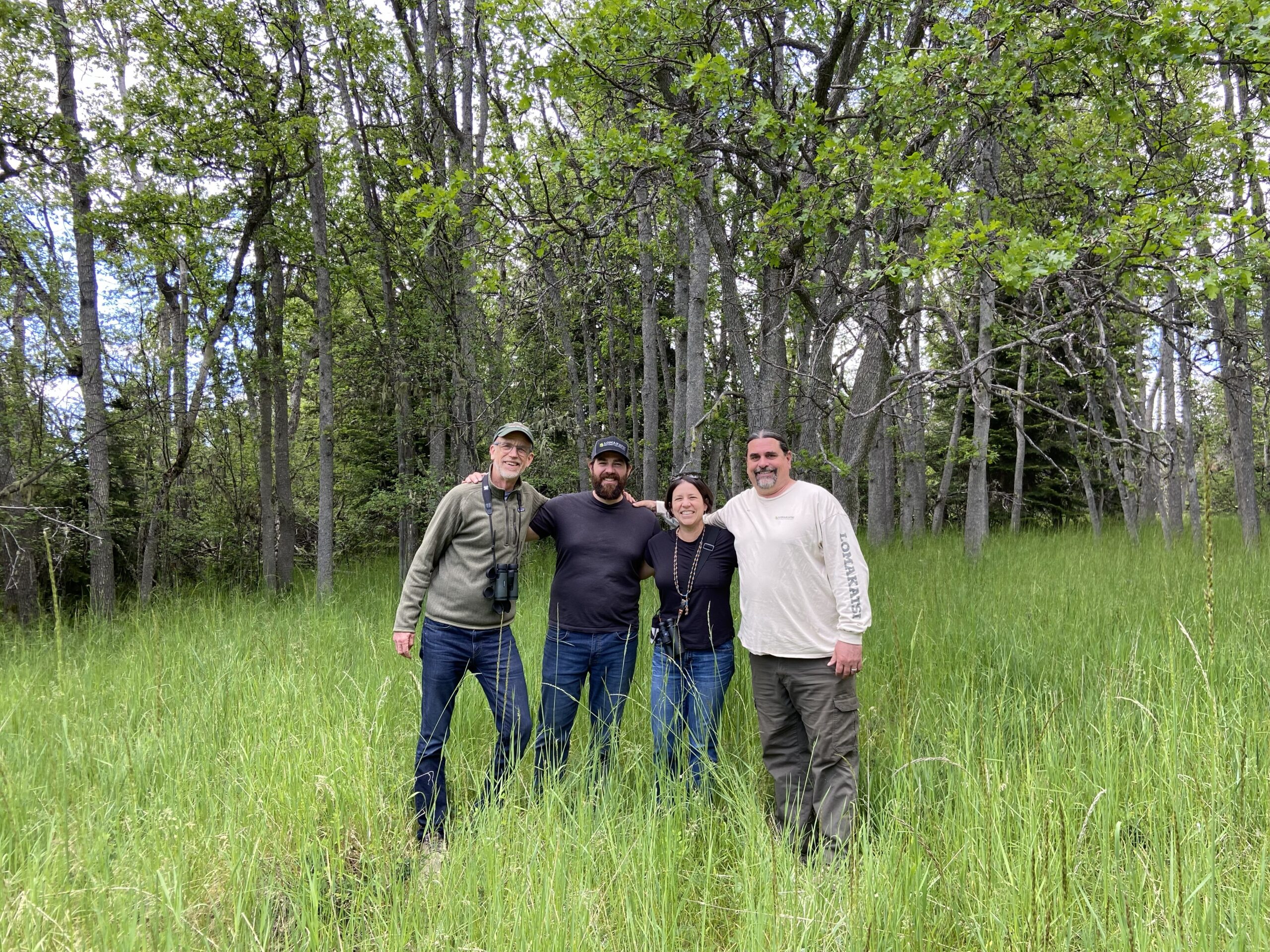
This video features interviews with KSON partner Marko Bey (Executive Director, Lomakatsi Restoration Project) and Pacific Birds board member Glenn Lamb (Philanthropic Project Manager, Coalition of Oregon Land Trusts).
Creating the Ideal Environment for Bird Habitat Conservation
The survival of migratory bird species depends on a connected chain of habitats like coastal wetlands and oak woodlands throughout the entire Pacific Flyway. Pacific Birds serves as the catalyst for bird conservation by helping local partners connect their on-the-ground projects with major national and international bird initiatives. By convening partners, developing collective strategies, enhancing regional coordination, and leveraging funding, we accelerate conservation across the northern portion of the flyway.

As these videos show, conservation is also a human story. Pacific Birds delivers "win-win" results by supporting birds alongside peoples’ other social, economic, and cultural priorities. Restoring bird habitat benefits local communities by providing jobs in the restoration economy, reducing the risk of coastal flooding and catastrophic wildfire, and increasing access to First Foods. This reinforces the value of and need for habitat conservation, healthy landscapes, and thriving flyways – for both birds and the people who share global flyways with them.